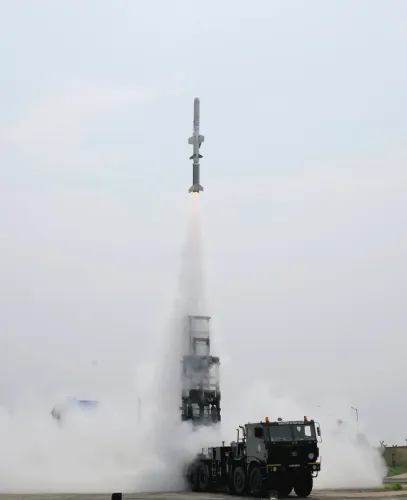
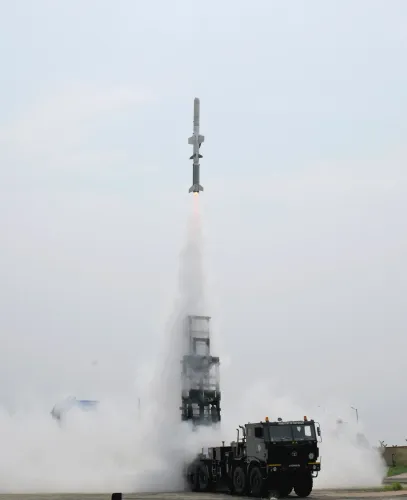
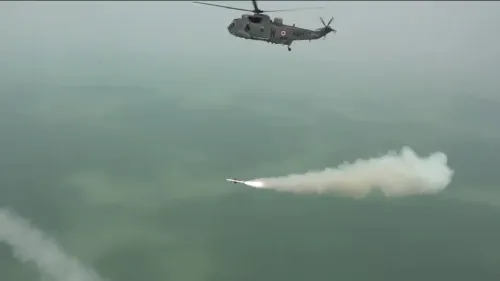
DRDO demonstrates BMD shield capable of intercepting ICBMs, tests anti-ship missile
Synopsis
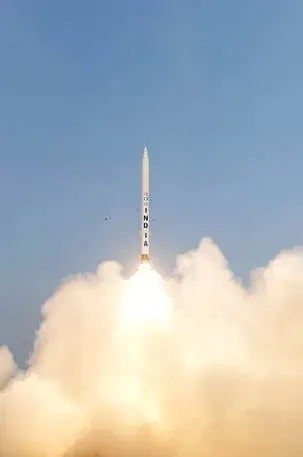
In two days of back-to-back flight-trials, DRDO crossed a threshold that only a handful of nations have reached: a proven multi-layered BMD system capable of intercepting ICBMs. Paired with the maiden test of the NASM-MR anti-ship missile, June 10-11 may be the most consequential 48 hours in India's indigenous defence history in years.
Key Takeaways
DRDO conducted three consecutive flight-tests on 10 and 11 June , demonstrating multi-layered BMD and the new NASM-MR missile.
India has joined the elite group of nations with BMD capability to intercept Intercontinental Ballistic Missiles (ICBMs) .
The Naval Anti-Ship Missile-Medium Range (NASM-MR) completed its maiden flight-test , enhancing maritime strike capability.
Defence Minister Rajnath Singh congratulated DRDO and associated teams on the successful demonstrations.
DRDO Chairman Rajesh Kumar Singh closely monitored the trials and credited collaboration between scientists, engineers, and industry partners.
The tests reinforce India's Aatmanirbhar Bharat defence push and self-reliance in advanced strategic systems.
India's Defence Research and Development Organisation (DRDO) on 10 and 11 June successfully demonstrated a multi-layered Ballistic Missile Defence (BMD) system and conducted the maiden flight-test of the Naval Anti-Ship Missile-Medium Range (NASM-MR), marking a landmark advance in the country's indigenous strategic defence programme. The tests, carried out across three consecutive flight-trials, were confirmed by the Ministry of Defence in an official press release.
Key Developments
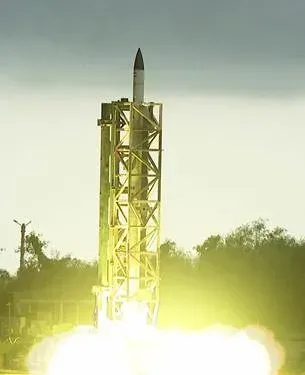
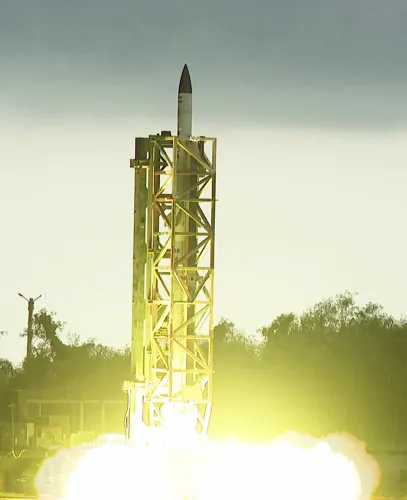
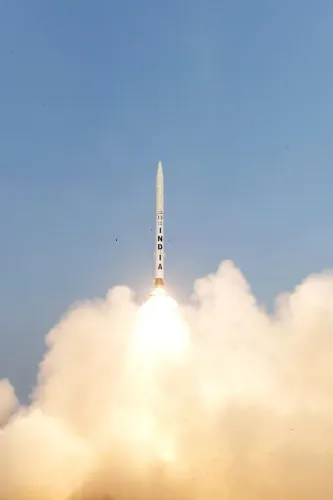
The BMD system's interceptor missiles accurately engaged and neutralised their designated targets during the trials, according to the ministry. The systems have been 'designed and developed with latest technologies to address the emerging missile threats,' the release stated. Critically, the ministry noted that the tests have placed India 'in the elite group of nations having BMD capability to engage up to Intercontinental Ballistic Missiles' — a threshold very few countries have crossed.
Maiden Test of Naval Anti-Ship Missile
In a separate but concurrent milestone, DRDO successfully carried out the first-ever flight-test of the NASM-MR. The medium-range naval missile is designed to provide the Indian armed forces with a modern maritime strike capability, enhancing their operational reach against surface targets at sea. The successful maiden test positions NASM-MR as a future asset for the Indian Navy's offensive arsenal.
Who Monitored the Trials
Senior officials from DRDO and the three services witnessed the flight-tests, underscoring the operational coordination between defence scientists and military leadership. Secretary, Department of Defence Research and Development and DRDO Chairman Rajesh Kumar Singh closely monitored the trials and applauded the combined efforts of DRDO scientists, engineers, and industry partners whose collaboration contributed to the outcomes.
Government Response
Defence Minister Rajnath Singh congratulated DRDO and the associated teams on the successful demonstrations, according to the ministry. The minister's acknowledgement reflects the political weight attached to indigenous defence milestones at a time when India is accelerating its Aatmanirbhar Bharat push in the defence sector.
Strategic Significance
The successful BMD demonstration comes amid a heightened regional security environment, with India's neighbourhood presenting evolving ballistic missile threats. A multi-layered BMD system capable of intercepting ICBMs places India alongside the United States, Russia, Israel, and China — a select club by any measure. Notably, this is the culmination of a programme that has been in development for over two decades, making the June tests a generational milestone for Indian defence science. The parallel advancement of NASM-MR signals that DRDO's ambitions extend beyond strategic deterrence to conventional maritime dominance as well.
Point of View
Or whether they remain developmental milestones. DRDO has a mixed record on bridging the gap between successful trials and induction. The NASM-MR maiden test, while significant, is only the first step in a long qualification process before the Navy can operationalise it. The real measure of these June tests will be visible in the defence acquisition pipeline over the next three years.
NationPress
27 Oct 2026
Frequently Asked Questions
What did DRDO demonstrate in the June 10-11 flight-tests?
DRDO demonstrated a multi-layered Ballistic Missile Defence (BMD) system, in which interceptor missiles successfully engaged and neutralised designated targets, and conducted the maiden flight-test of the Naval Anti-Ship Missile-Medium Range (NASM-MR). The tests were carried out across three consecutive flight-trials on 10 and 11 June.
What makes India's BMD capability significant?
The successful demonstration places India among a select group of nations with BMD capability to intercept targets up to Intercontinental Ballistic Missiles (ICBMs), according to the Ministry of Defence. That group currently includes the United States, Russia, Israel, and China.
What is the NASM-MR and why does it matter?
The Naval Anti-Ship Missile-Medium Range (NASM-MR) is an indigenously developed missile designed to give the Indian armed forces a modern maritime strike option against surface targets. Its maiden flight-test on 10-11 June marks the first validation of the system's flight performance.
Who oversaw the DRDO missile tests?
DRDO Chairman and Secretary of the Department of Defence Research and Development, Rajesh Kumar Singh, closely monitored the trials. Senior officials from DRDO and the armed forces were also present, reflecting close coordination between scientists and military personnel.
How do these tests fit into India's broader defence strategy?
The tests are part of India's Aatmanirbhar Bharat push for self-reliance in defence manufacturing. They signal a continued focus on developing advanced indigenous systems capable of addressing future strategic and conventional battlefield challenges, reducing dependence on foreign platforms.