CM Majhi Hails Odisha Crafts at BRICS Summit in Kochi
Synopsis
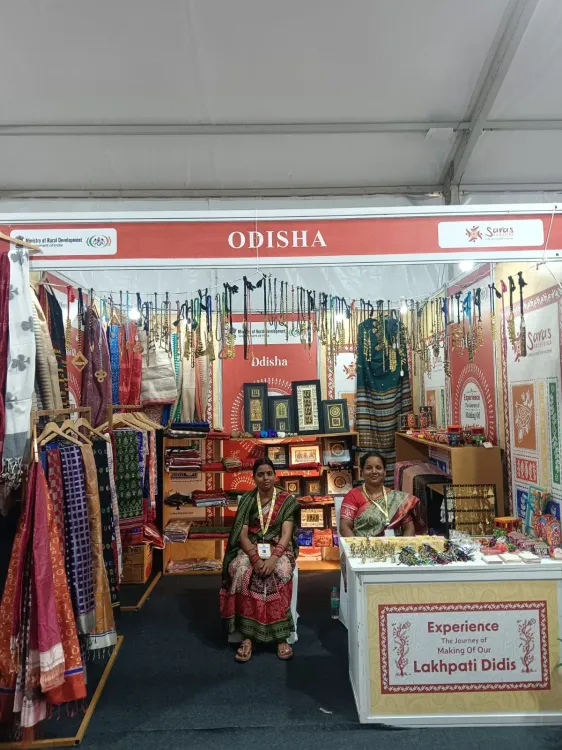
Odisha Chief Minister Mohan Charan Majhi has lauded women artisans from the Maa Ambika and Jai Jagannath self-help groups for presenting Dhokra art and Maniabandha handlooms at the BRICS Summit in Kochi, calling it a proud moment for the state and a reflection of its women's resolve and skill.
Key Takeaways
Odisha's Pattachitra, Dhokra art, and Maniabandha handlooms were showcased at the BRICS Summit in Kochi, Kerala on 8 July 2026 .
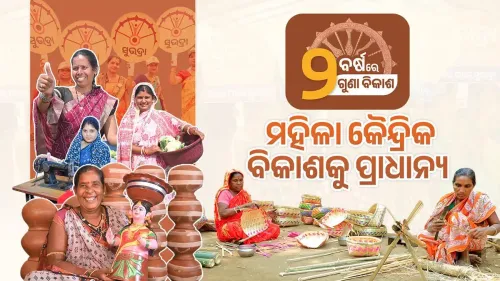
The Maa Ambika Self-Help Group presented Dhokra metal craft, while the Jai Jagannath Self-Help Group displayed Maniabandha handloom products.
CM Majhi linked the achievement to the Subhadra scheme , the state's flagship women's financial inclusion and skill development initiative.
Odisha's Mission Shakti programme, launched in 2001 , underpins the SHG ecosystem that produced these internationally showcased artisans.
The Chief Minister called women's self-reliance and all-round development the 'foundation of a developed and prosperous Odisha.' The showcase aligns with national priorities of Nari Shakti and Atmanirbhar Bharat , using cultural diplomacy to build export visibility for Odisha crafts.
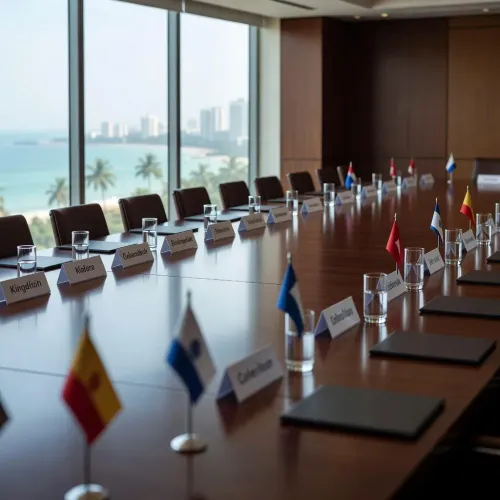
Odisha Chief Minister Mohan Charan Majhi on Wednesday, 8 July 2026 praised the state's artisans and handloom weavers for showcasing Odisha's rich art, culture, and handicrafts at the prestigious BRICS Summit held in Kochi, Kerala, calling it a glorious chapter for the state on the international stage.
Writing in Odia, the Chief Minister said the display of Pattachitra scroll paintings, traditional handicrafts, and the limitless talent of the state's women had captivated the global community at the international forum. 'ଏହି ଆନ୍ତର୍ଜାତୀୟ ମଞ୍ଚରେ ଆମ ରାଜ୍ୟର ପଟ୍ଟଚିତ୍ର, ପାରମ୍ପରିକ ହସ୍ତଶିଳ୍ପ ସମେତ ଆମ ନାରୀଶକ୍ତିର ଅସୀମ ପ୍ରତିଭା ବିଶ୍ଵ ସମୁଦାୟକୁ ବିମୋହିତ କରିଛି' [At this international forum, our state's Pattachitra, traditional handicrafts, and the boundless talent of our women have captivated the global community].
Context
The BRICS Summit in Kochi provided a high-visibility multilateral platform where Indian states could project their cultural heritage alongside national-level diplomatic proceedings. CM Majhi highlighted two self-help groups specifically: the 'Maa Ambika Self-Help Group', whose artisans crafted unique Dhokra metal art, and the 'Jai Jagannath Self-Help Group', whose weavers produced the world-renowned Maniabandha handloom products. Both groups' work, he said, has established Odisha's artistic excellence on a global scale.
The Chief Minister credited this success to what he called the 'Subhadra' spirit of the state's women — a reference to the Subhadra scheme, the Odisha government's flagship welfare initiative aimed at women's financial inclusion, skill development, and self-reliance. He stated that the self-reliance of these women and the all-round development of women's power is the very foundation of building a developed and prosperous Odisha.
Policy Backdrop
Odisha has a long-standing institutional framework supporting women artisans through self-help groups. The state launched Mission Shakti in 2001 to organise and empower women's SHGs engaged in traditional crafts and handlooms — one of the earliest and largest such programmes in India. This was later reinforced by the National Rural Livelihoods Mission (NRLM) from 2011 onward, which scaled SHG-linked artisan livelihoods across states including Odisha.
Pattachitra, Dhokra, and Maniabandha weaves are among Odisha's most recognised craft traditions, with Maniabandha textiles known for their distinctive ikat weaving technique. India has consistently used BRICS cultural side-events since its active participation beginning in 2009 to project regional art forms and build soft power, and Odisha's participation fits squarely within this broader diplomatic strategy.
Stakeholders and Impact
The direct beneficiaries of this international exposure are the women artisans and weavers affiliated with SHGs such as Maa Ambika and Jai Jagannath groups, whose products now carry the credibility of a BRICS-level showcase. Global visibility at such forums can open export channels and attract institutional buyers, translating cultural recognition into economic opportunity for craft clusters across the state.
The broader pattern mirrors efforts by other Indian states to leverage multilateral platforms for regional brand-building, aligning with national priorities of Nari Shakti and Atmanirbhar Bharat. For Odisha, linking the Subhadra scheme's women-empowerment mandate with international cultural diplomacy signals a deliberate policy convergence between welfare and trade promotion.
What's Next
The Chief Minister extended his 'heartfelt good wishes and appreciation' to all artists, weavers, and women who have enhanced the state's reputation internationally. Future BRICS cultural side-events and state export promotion programmes could build on this momentum to expand market access for Odisha's handicraft clusters. Observers will watch whether the state translates this international showcase into formal export linkages or expanded artisan cluster funding under the Subhadra scheme.
Point of View
Reinforcing the BJP-led government's women-empowerment credentials. The move mirrors a broader trend of Indian state governments competing for visibility at BRICS and other multilateral side-events to attract craft export deals and tourism interest. If the Kochi showcase translates into concrete export linkages or artisan cluster funding, it could become a template for other Odisha craft traditions seeking global markets.
NationPress
8 Jul 2026
Frequently Asked Questions
What did Odisha showcase at the BRICS Summit in Kochi?
Odisha showcased Pattachitra scroll paintings, Dhokra metal craft, and Maniabandha handloom products at the BRICS Summit held in Kochi, Kerala. The items were crafted by women artisans from the Maa Ambika and Jai Jagannath self-help groups.
What is the Subhadra scheme mentioned by CM Majhi?
The Subhadra scheme is the Odisha government's flagship welfare initiative focused on women's financial inclusion, skill development, and self-reliance. CM Majhi referred to the participating artisans as embodying the 'Subhadra' spirit of Odisha's women.
What is Maniabandha handloom?
Maniabandha is a world-renowned handloom weaving tradition from Odisha, known for its distinctive ikat technique. Products from Maniabandha weavers were displayed at the BRICS Summit in Kochi by the Jai Jagannath Self-Help Group.
What is Dhokra art from Odisha?
Dhokra is a traditional metal casting craft practised in Odisha, known for its tribal and folk motifs. At the Kochi BRICS Summit, Dhokra pieces crafted by the Maa Ambika Self-Help Group were among the highlights of Odisha's cultural display.
How does Odisha support women artisans through self-help groups?
Odisha launched Mission Shakti in 2001 to organise women into self-help groups engaged in traditional crafts and handlooms. This ecosystem, further supported by the National Rural Livelihoods Mission from 2011 and the Subhadra scheme, enables women artisans to access training, markets, and financial support.