HP CM Office Administers Anti-Drug Oath to New Panchayat Chiefs
Synopsis
The Himachal Pradesh CM's Office administered an anti-chitta oath to newly elected panchayat pradhans and up-pradhans at Peterhoff Hotel, Shimla, deepening the state's anti-drug campaign to the grassroots governance level.
Key Takeaways
The HP Chief Minister's Office administered an anti-drug oath to newly elected panchayat pradhans and up-pradhans at Peterhoff Hotel, Shimla on 15 June 2026 .
The pledge was specifically directed against chitta , the heroin-based synthetic drug that is a major public-health concern in Himachal Pradesh.
The state government described its anti-narcotics drive as a 'comprehensive and strong campaign' now reaching down to the panchayat level .
The initiative builds on Himachal Pradesh's participation in the centrally sponsored Nasha Mukt Bharat Abhiyan launched in 2020 .
Panchayati Raj Institutions, created under the 73rd Constitutional Amendment , are being used as the delivery vehicle to push anti-drug messaging to the village level.
Multiple Indian states have adopted similar oath ceremonies for newly elected panchayat representatives as part of anti-narcotics awareness drives.
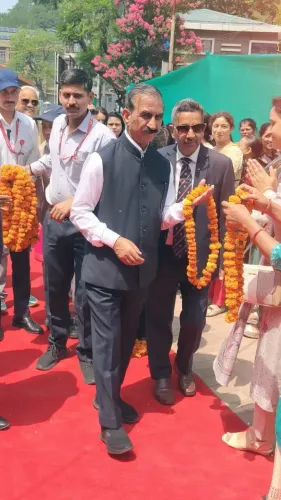
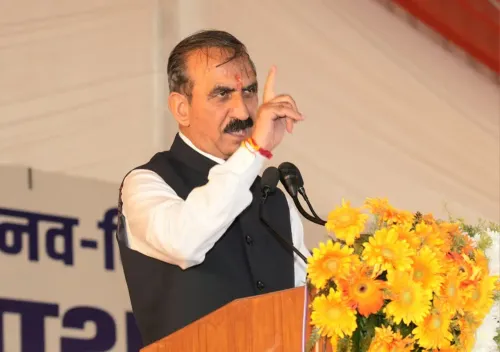
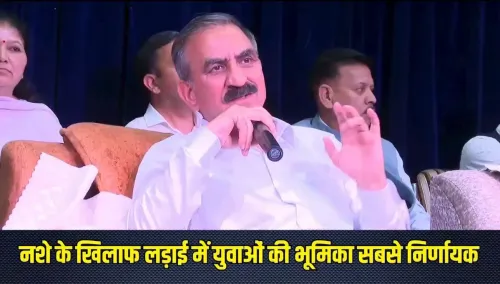
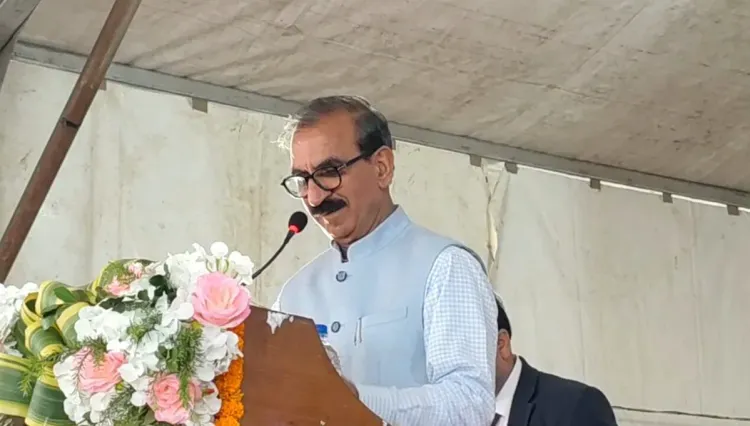
The Chief Minister's Office of Himachal Pradesh on Monday, 15 June 2026, administered an anti-drug pledge to newly elected panchayat heads and deputy heads at the Peterhoff Hotel in Shimla, signalling the state government's push to embed its anti-narcotics drive into grassroots governance.
The oath was specifically directed against chitta — the colloquial term for heroin-based synthetic drugs that has become a serious public-health concern in Himachal Pradesh. The CMO's post stated: 'Rajya sarkar nashe ke khilaf vyapak aur sashakt abhiyan chala rahi hai' ('The state government is running a comprehensive and strong campaign against drugs'), adding that the campaign is moving rapidly and effectively down to the panchayat level.
Context
The ceremony took place at Peterhoff Hotel, a heritage property in Shimla that serves as a regular venue for official state functions. The participants were newly elected panchayat pradhans (heads) and up-pradhans (deputy heads) — the frontline tier of India's constitutional local-body structure created under the 73rd Amendment to the Constitution.
By administering the oath at the point of induction into office, the state government is formally binding elected village representatives to the anti-drug cause before they assume their day-to-day duties.
Policy Backdrop
Himachal Pradesh has been a participant in the centrally sponsored Nasha Mukt Bharat Abhiyan, launched in 2020 by the Union Ministry of Social Justice and Empowerment to combat drug abuse through state and local bodies. The initiative extended its reach progressively through district and block-level committees.
The use of formal pledge ceremonies for newly elected panchayat representatives has been adopted by multiple Indian states as a way of integrating substance-abuse prevention into routine local-body activities — leveraging the decentralised governance architecture to carry social messaging to the village level.
Stakeholders and Impact
Panchayat pradhans and up-pradhans are the most direct stakeholders: the oath places an explicit moral and public commitment on each newly elected representative to actively work against drug use in their village jurisdiction. Rural youth in Himachal Pradesh are the intended beneficiaries, given that chitta abuse has disproportionately affected young people in the state's rural and semi-urban areas.
Panchayati Raj Institutions, as constitutional bodies under the 73rd Amendment, have the administrative reach and community trust to translate state-level policy into village-level action — making them a natural vehicle for anti-narcotics messaging.
What's Next
Attention will now turn to whether similar oath ceremonies are rolled out across other districts of Himachal Pradesh, and whether the state government issues a formal monitoring framework or set of instructions to gram panchayats for drug-prevention activities. If the model proves effective, it could serve as a template for other hill states grappling with the chitta crisis.
The integration of anti-drug pledges into the induction of local elected representatives marks a structural shift — moving substance-abuse prevention from awareness campaigns to an accountable governance mandate at the panchayat level.
Point of View
A strategy that gained momentum after the 73rd Amendment deepened decentralisation. For the ruling dispensation in Shimla, it also carries political utility — visibly demonstrating action on a crisis that has become an electoral flashpoint in hill-state constituencies. The real test will be whether the oath is followed by structured monitoring mechanisms or remains a symbolic gesture.
NationPress
25 Sept 2026
Frequently Asked Questions
What is chitta and why is it a problem in Himachal Pradesh?
Chitta is a colloquial name for a heroin-based synthetic drug that has become a severe public-health crisis in Himachal Pradesh, particularly affecting rural and semi-urban youth. The state government has been running targeted campaigns to curb its spread.
What oath was administered to panchayat pradhans in Shimla?
Newly elected panchayat pradhans and up-pradhans were administered a pledge against chitta and drug abuse at Peterhoff Hotel in Shimla on 15 June 2026, as part of the state's anti-narcotics campaign.
What is the Nasha Mukt Bharat Abhiyan?
The Nasha Mukt Bharat Abhiyan is a national anti-drug campaign launched in 2020 by the Union Ministry of Social Justice and Empowerment. Himachal Pradesh has been a participating state, implementing the scheme through district and block-level committees.
Why are panchayat leaders being involved in anti-drug campaigns?
Panchayati Raj Institutions have direct community reach and constitutional standing at the village level under the 73rd Amendment . Involving elected pradhans in anti-drug pledges places accountability for drug prevention at the grassroots, making the campaign more likely to translate into local action.
Is this anti-drug oath practice unique to Himachal Pradesh?
No. Multiple Indian states have adopted formal anti-drug pledge ceremonies for newly elected panchayat representatives as part of anti-narcotics awareness drives, using the decentralised local-body structure to push the message to the village level.