Modi's Indonesia visit stirs Indian diaspora to reconnect with roots
Synopsis
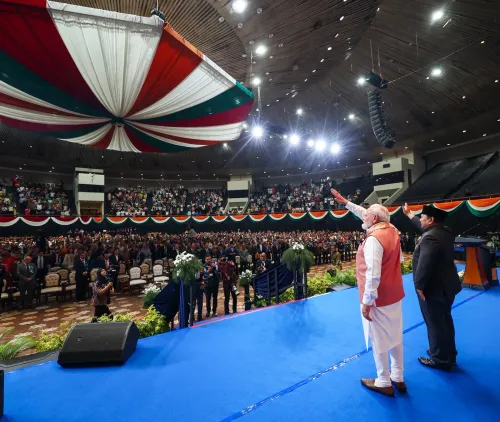
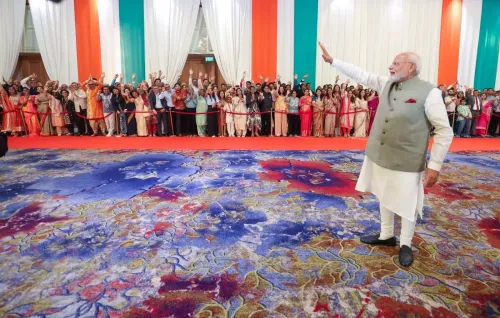
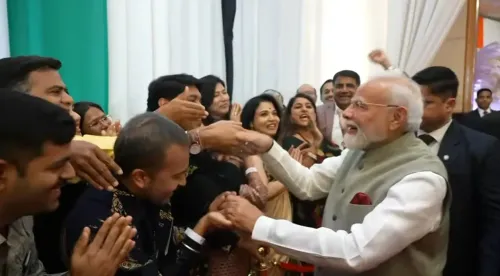
Before 4,000 members of Indonesia's Indian community in Jakarta, PM Modi did more than deliver a speech — he handed the diaspora a cultural mission. Restaurant owners from Uttarakhand, club presidents, and long-settled families all said the same thing: the visit made them want to pass their roots on to the next generation. That is soft power working quietly but durably.
Key Takeaways
PM Modi addressed approximately 4,000 Indian diaspora members in Jakarta on 8 July .
He urged the community to promote India to Indonesian friends and encourage tourism, invoking the mantra 'reform, perform and transform' .
Neelam Nautiyal and Bhagwat Nautiyal , restaurant owners from Uttarakhand , said the speech deepened their resolve to keep Indian culture alive for their children.
Siddharth Thaparia , President of India Club Jakarta , said the event successfully hosted 4,000 attendees and fostered a strong sense of connection to India.
The visit is seen as reinforcing India's Act East Policy and elevating people-to-people ties with Indonesia , the region's largest economy.
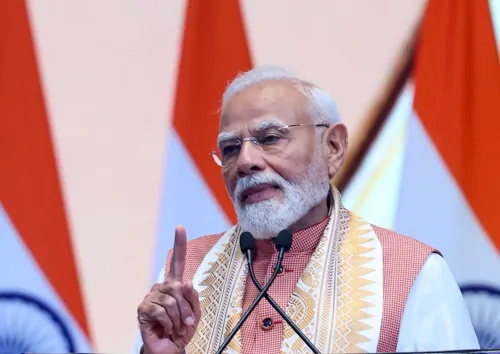
Prime Minister Narendra Modi's address to the Indian community in Jakarta on 8 July struck a deep chord among diaspora members, many of whom said the visit renewed their sense of cultural identity and pride. Modi urged attendees to tell their Indonesian friends about India and encourage them to experience the country firsthand, framing India's rise through his signature mantra of 'reform, perform and transform'.
What Modi Said to the Diaspora
Speaking to an audience of approximately 4,000 Indian community members, Modi highlighted India's accelerating growth trajectory and argued that the country's self-reliance was functioning as a 'multiplying force' for the broader region. He called on the diaspora to act as cultural ambassadors, bridging India and Indonesia at the people-to-people level.
Voices from the Community
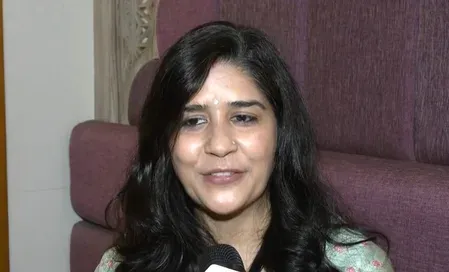
Neelam Nautiyal, co-owner of the Indian Flame restaurant in Jakarta and a native of Uttarakhand, said Modi's visit stirred a deep sense of belonging among Indian immigrants. 'PM Modi has kept our Indian culture alive, and we too wish to follow in his footsteps. We will teach our children to always remain connected to their culture,' she said. Her husband and business partner, Bhagwat Nautiyal, echoed the sentiment, saying the speech motivated many like them to heed the Prime Minister's guidance.
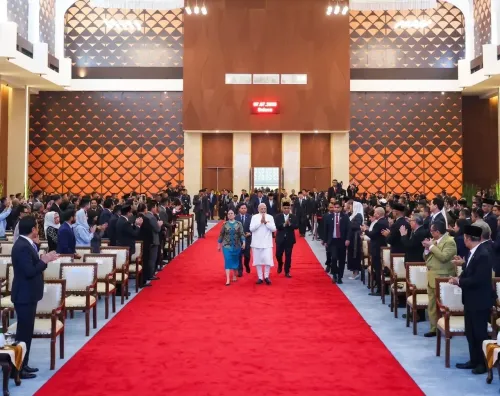
Siddharth Thaparia, President of the India Club Jakarta, said the reception ceremony was managed successfully. 'Around 4,000 people attended the event and had the opportunity to meet the Prime Minister. Listening to PM Modi's speech fostered a deep sense of connection to India among the attendees,' he said. Thaparia expressed hope that the visit would strengthen economic ties and elevate people-to-people contact between the two nations.
Why Indonesia's Indian Diaspora Matters
Indonesia is home to a sizeable Indian diaspora, many of whom have been settled in the archipelago for generations and have built businesses spanning hospitality, trade, and services. Indian cuisine has found a particularly strong foothold, with several establishments — including family-run restaurants like Indian Flame — serving authentic regional fare. This community represents a soft-power bridge that both governments have sought to leverage in recent years.
Broader Significance of the Visit
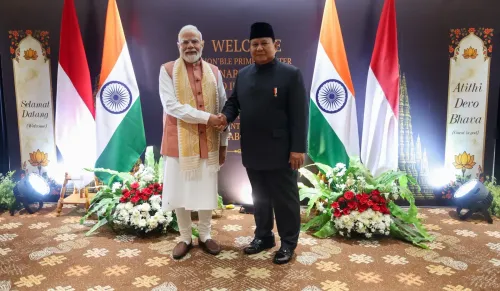
Modi's Jakarta visit comes at a moment when India is actively deepening its engagement with Southeast Asia under its Act East Policy. Indonesia, as the region's largest economy and a fellow member of the G20, is a critical partner in India's Indo-Pacific strategy. Community members and observers noted that a high-profile diaspora address by the Prime Minister signals the relationship is being elevated beyond bilateral trade figures. The visit is expected to give fresh momentum to ongoing discussions on investment, connectivity, and cultural exchange between the two countries.
Point of View
But Modi's Jakarta stop deserves a closer read. Indonesia is Southeast Asia's largest economy and a G20 partner India cannot afford to treat as a secondary relationship. Using the diaspora as a soft-power relay — asking them to become India's cultural salespeople — is a deliberate strategy, not a platitude. The question is whether this visit translates into measurable upticks in tourism arrivals, bilateral investment, or cultural programming, or whether it remains a feel-good moment that fades once Air India One clears Indonesian airspace.
NationPress
7 Oct 2026
Frequently Asked Questions
What did PM Modi say to the Indian diaspora in Jakarta?
PM Modi urged the Indian community in Jakarta to tell their Indonesian friends about India and encourage them to visit, framing India's rise through the mantra 'reform, perform and transform.' He also stressed that India's self-reliance was acting as a multiplying force for the broader region.
How many people attended PM Modi's diaspora event in Jakarta?
Approximately 4,000 members of the Indian community attended the event in Jakarta, according to Siddharth Thaparia, President of India Club Jakarta, who helped organise the reception ceremony.
Who are Bhagwat Nautiyal and Neelam Nautiyal?
Bhagwat Nautiyal and Neelam Nautiyal are Uttarakhand natives who own and operate the Indian Flame restaurant in Jakarta. They said PM Modi's speech motivated them to keep Indian culture alive and pass it on to their children.
Why is the Indian diaspora significant in Indonesia?
Indonesia is home to a sizeable Indian diaspora that has been settled there for generations, running businesses across hospitality, trade, and services. Indian cuisine is notably popular, and the community serves as a soft-power bridge between the two nations.
How does Modi's Jakarta visit fit into India's foreign policy?
The visit aligns with India's Act East Policy, which prioritises deeper engagement with Southeast Asia. Indonesia, as the region's largest economy and a fellow G20 member, is a key partner in India's Indo-Pacific strategy, and the diaspora address signals an intent to deepen ties beyond trade.