MP High Court strikes down 27% OBC quota, restores 14% reservation
Synopsis
The Madhya Pradesh High Court has struck down the 27% OBC quota introduced by the Kamal Nath government in 2019, ruling it unconstitutional and restoring the limit to 14%. Thousands of candidates with appointments frozen over the legal dispute will now see those posts filled — but those appointed under the higher quota face invalidation.
Key Takeaways
The Madhya Pradesh High Court on 9 October 2026 struck down the 27% OBC reservation law, reverting the quota to 14% .
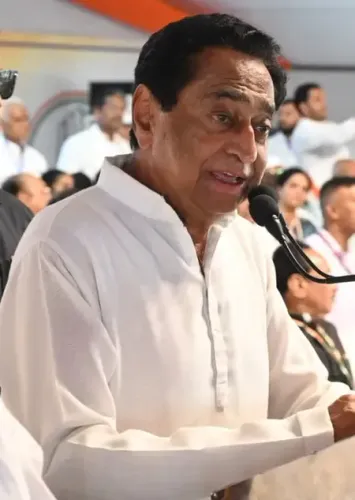
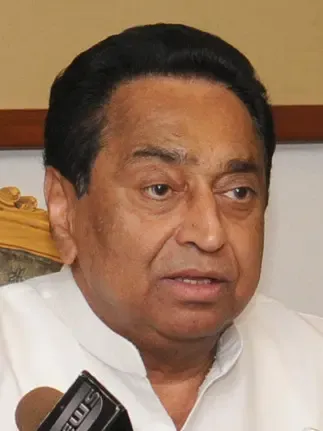
A division bench of Justice Anand Pathak and Justice Vinay Saraf declared the 2019 amendment by the Kamal Nath -led Congress government unconstitutional.
The court cited the Supreme Court's 50% ceiling on total reservations, referencing Indra Sawhney and Jaishri Laxmanrao Patil judgments.
MPPSC and the Staff Selection Board must fill 13% of held-back posts from the unreserved category list within 3 months .
Appointments made under OBC reservation exceeding 14% have been declared invalid .
Petitions on EWS and horizontal reservation relief were dismissed by the court.
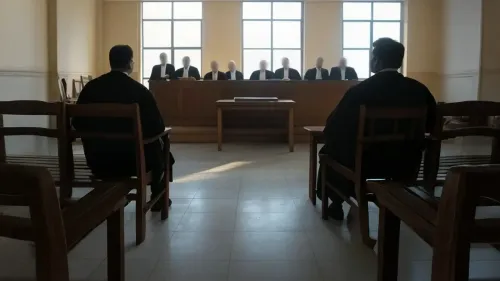
The Madhya Pradesh High Court on Friday, 9 October 2026, struck down the law granting 27 per cent reservation to Other Backward Classes (OBCs) in government jobs and higher education, ruling that the quota must revert to 14 per cent. The court simultaneously directed recruitment agencies to fill the 13 per cent of posts held in abeyance within a maximum of three months.
Key Ruling and Legal Basis
A division bench of Justice Anand Pathak and Justice Vinay Saraf declared unconstitutional the 2019 amendment through which the then Congress government led by Kamal Nath had raised OBC reservation from 14 per cent to 27 per cent. The bench held that the 50 per cent ceiling on total reservation, as laid down in successive Supreme Court judgments, had to be strictly observed. The court found that the exceptional circumstances required to justify breaching that ceiling had not been established by the state.
The bench cited the Supreme Court's landmark rulings in Indra Sawhney vs Union of India and Jaishri Laxmanrao Patil while examining the validity of the 2019 amendment. The verdict followed a joint hearing of several connected petitions, including Ashita Dubey and Others vs State of Madhya Pradesh and Others (Writ Petition No. 5901/2019), according to advocate Dheeraj Tiwari.
Impact on Recruitment Agencies
The Madhya Pradesh Public Service Commission (MPPSC), the Staff Selection Board (formerly known as Vyapam), and other recruitment agencies have been directed to fill pending posts from the selection list of the unreserved category within three months. Appointments previously made on the basis of OBC reservation exceeding 14 per cent have also been declared invalid, according to details shared by Tiwari.
This ruling carries immediate significance for candidates who have been waiting on appointments across multiple recruitment processes stalled by the legal dispute. The 13 per cent of posts in each affected process had been kept on hold pending a final judicial verdict.
What Was Dismissed
Tiwari told reporters that while the court allowed petitions challenging the enhanced OBC quota, it dismissed petitions seeking separate relief concerning Economically Weaker Sections (EWS) and horizontal reservation. The court had reserved its judgment on 5 August 2026.
Background and Political Context
The 27 per cent OBC quota was introduced in 2019 during the Kamal Nath-led Congress government in Madhya Pradesh. It was challenged in court shortly after its introduction, triggering prolonged litigation that effectively froze a portion of government recruitment and higher education admissions for several years. This comes amid a broader national debate over reservation limits, with multiple state governments having faced judicial scrutiny for attempting to push combined quotas past the Supreme Court-mandated 50 per cent threshold.
The ruling now sets a definitive legal baseline in Madhya Pradesh and is likely to be closely watched by other states navigating similar reservation disputes.
Point of View
A signal that other states pursuing similar expansions should heed.
NationPress
9 Oct 2026
Frequently Asked Questions
What did the Madhya Pradesh High Court rule on OBC reservation?
The Madhya Pradesh High Court struck down the 27% OBC reservation law on 9 October 2026, ruling it unconstitutional and restoring the quota to 14% in government jobs and higher education. The bench held that the 50% ceiling on total reservations mandated by the Supreme Court had not been validly overridden.
Why was the 27% OBC quota declared unconstitutional?
The court found that the exceptional circumstances required under Supreme Court jurisprudence — particularly the Indra Sawhney and Jaishri Laxmanrao Patil judgments — to justify exceeding the 50% reservation ceiling had not been established by the state. The 2019 amendment raised total reservations in Madhya Pradesh beyond the constitutionally permissible limit.
What happens to posts that were kept on hold?
The MPPSC, the Staff Selection Board, and other recruitment agencies have been directed to fill the 13% of posts that were held pending the verdict, drawing from the unreserved category selection list. Agencies must complete this process within three months.
Are appointments already made under the 27% quota affected?
Yes. The High Court declared appointments made on the basis of OBC reservation exceeding 14% as invalid, according to advocate Dheeraj Tiwari who was involved in the proceedings.
What was the origin of the 27% OBC quota in Madhya Pradesh?
The 27% OBC quota was introduced through a 2019 amendment by the Kamal Nath-led Congress government, which raised the existing 14% OBC reservation. It was challenged in court soon after, triggering years of litigation and a partial freeze on affected recruitment processes.