MP allows 100-storey buildings to tackle urban land crunch, expands metro zones
Synopsis
Madhya Pradesh is scrapping its longstanding 30-metre building height cap to allow structures up to 100 floors, while simultaneously carving out six-district metropolitan regions around both Bhopal and Indore. The twin moves signal a fundamental shift in how one of India's fastest-urbanising states plans to manage land, attract investment, and compete with established metro economies.
Key Takeaways
Madhya Pradesh plans to allow buildings of up to 100 floors on roads with adequate width, replacing an earlier cap that generally restricted structures beyond 30 metres .
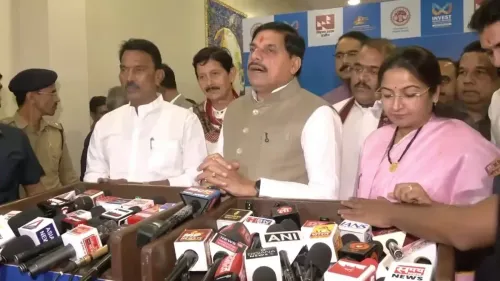
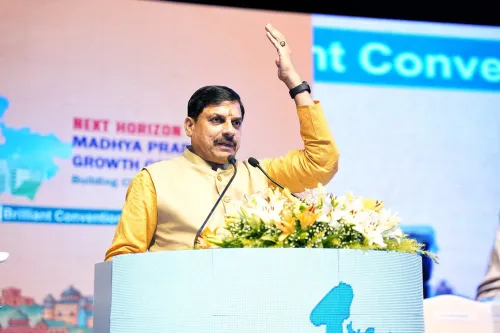
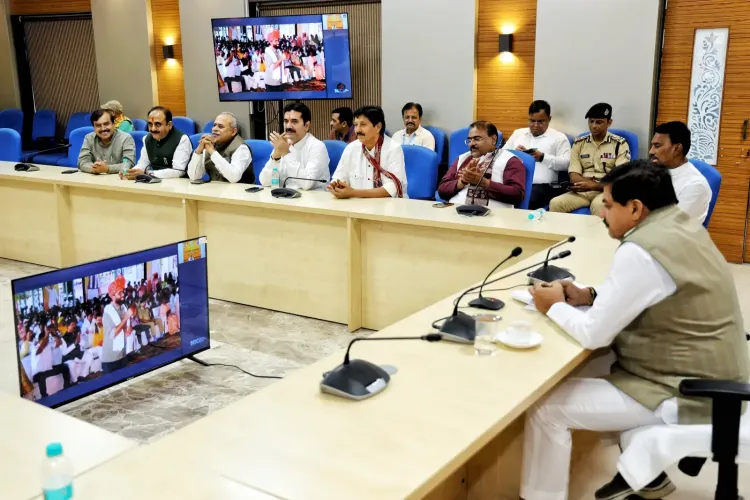
Chief Minister Mohan Yadav announced the changes on 28 October 2026 after a state Cabinet meeting in Indore .
New metropolitan regions covering six districts each are planned around Bhopal and Indore , spanning the Indore-Bhopal economic corridor .
Jabalpur and Gwalior are also slated for metropolitan-region development in subsequent phases.
The measures aim to reduce pressure on agricultural land, attract investment, and help MP compete with larger metropolitan centres.
Madhya Pradesh is set to permit buildings of up to 100 floors on roads with adequate width, a significant departure from earlier height restrictions that generally capped structures at 30 metres, Chief Minister Mohan Yadav announced on 28 October 2026 after a state Cabinet meeting in Indore. The move is part of a broader revision of building construction rules aimed at relieving pressure on agricultural land amid accelerating urbanisation.
Key Developments
Addressing reporters after the Cabinet session, Yadav said the government was revising building norms to allow taller structures in urban areas subject to prescribed standards. 'Now, provisions are being made to permit buildings of up to 100 floors on roads with adequate width, as per the prescribed norms. Earlier, there were restrictions generally on buildings exceeding 30 metres in height,' he stated.
The revision forms part of an integrated development policy that seeks to coordinate urban growth, infrastructure expansion, and economic activity under a single framework. Officials indicated that the taller building allowance would be governed by road-width eligibility and mandatory safety norms, though detailed guidelines are yet to be released publicly.
Metropolitan Regions Around Bhopal and Indore
Beyond the building-height rule change, the state government is also planning dedicated metropolitan regions encompassing six districts each around Bhopal and Indore. Yadav confirmed that the initiative would span the Indore-Bhopal economic corridor and would not be confined to Indore and Ujjain alone.
Jabalpur and Gwalior are also planned for development along similar lines in subsequent phases, the Chief Minister said. 'Six districts each are being included in the Bhopal and Indore metropolitan regions. Subsequently, Jabalpur and Gwalior are also planned to be developed in this direction,' Yadav noted.
Why the State Is Acting Now
Madhya Pradesh is among India's fastest-urbanising states, with rising demand for housing, industrial space, and transport infrastructure straining existing city boundaries. The government's integrated policy attempts to channel that growth vertically — through taller buildings — and horizontally — through expanded metropolitan corridors — rather than allowing unplanned sprawl into farmland.
Notably, the push also carries an investment-attraction dimension. Yadav said the measures were designed to create new investment opportunities in the state while enabling it to compete with other large states and established metropolitan centres. This comes amid a wider national trend of state governments recalibrating land-use rules to court industry and housing developers.
What Happens Next
The revised building construction rules and metropolitan region boundaries are expected to be formalised through official notifications. Industry and real-estate stakeholders will be watching for the precise road-width thresholds that will determine where the 100-floor allowance actually applies, as well as the infrastructure commitments — roads, water, power, sewage — that will need to accompany such dense development. The state's ability to enforce safety and environmental norms at this scale will be a key test of the policy's credibility.
Point of View
Elevator safety audits, water and sewage capacity, and fire egress standards can create liability towers rather than liveable ones. The metropolitan-region expansion is the more consequential idea: if the Indore-Bhopal corridor genuinely integrates six districts on each side, it would be among the largest planned urban agglomerations outside India's four metro giants. But state-level metropolitan authorities in India have a poor record of overriding district-level land politics. Whether this becomes a genuine planning breakthrough or another map-drawing exercise depends entirely on the legal teeth and funding attached to the notifications that follow.
NationPress
28 Oct 2026
Frequently Asked Questions
What is the new building height rule announced by Madhya Pradesh?
Madhya Pradesh is revising its building construction norms to permit structures of up to 100 floors on roads with adequate width, subject to prescribed safety standards. This replaces an earlier general restriction on buildings exceeding 30 metres in height.
Why is Madhya Pradesh changing its building rules?
The government says rising demand for housing, industrial space, and transport infrastructure is straining existing urban areas and encroaching on agricultural land. The revised rules aim to allow vertical densification while an expanded metropolitan-region policy directs horizontal growth along planned corridors.
Which cities will get new metropolitan regions under this policy?
Metropolitan regions covering six districts each are planned around Bhopal and Indore, spanning the Indore-Bhopal economic corridor. Jabalpur and Gwalior are also slated for similar treatment in subsequent phases, according to Chief Minister Mohan Yadav.
When will the new building rules come into effect?
The revised building construction rules and metropolitan region boundaries are yet to be formalised through official notifications. Detailed guidelines — including precise road-width eligibility thresholds — had not been released publicly as of the Cabinet announcement on 28 October 2026.
How does this policy affect agricultural land in Madhya Pradesh?
One stated objective of the integrated development policy is to reduce pressure on agricultural areas by encouraging denser urban construction and channelling growth into designated metropolitan corridors rather than allowing unplanned suburban sprawl into farmland.