CM Mohan Yadav unveils urban growth draft at MP conclave
Synopsis
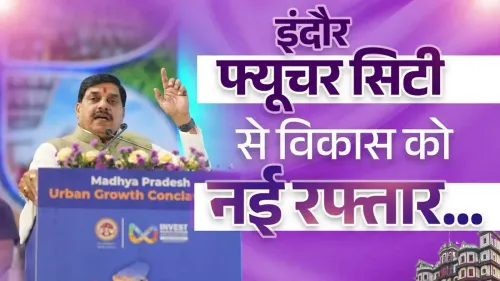
Madhya Pradesh CM Dr. Mohan Yadav, at Urban Growth Conclave 2.0 on 28 October 2026, unveiled a draft urban policy targeting affordable housing, fully-equipped townships, and an Indore Future City model aligned with NITI Aayog to generate lakhs of jobs.
Key Takeaways
Urban Growth Conclave 2.0 was held on 28 October 2026 in Madhya Pradesh, focused on state-level urban development strategy.
A formal draft policy has been published covering affordable housing and integrated township development.
The Indore Future City model, aligned with NITI Aayog guidelines, targets employment creation for lakhs of people .
Planned development will cover cities of all sizes — from small towns to large metros — reversing a metro-centric bias.
Mohan Yadav and the MP Urban Development Department are the key drivers of the initiative.
The draft builds on national frameworks including Pradhan Mantri Awas Yojana (Urban) and the Smart Cities Mission .
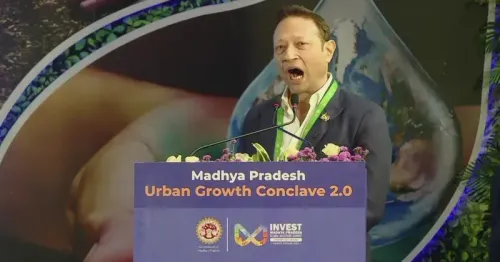
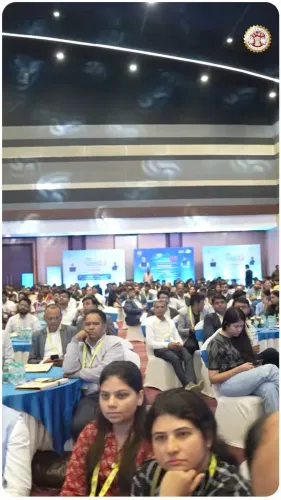
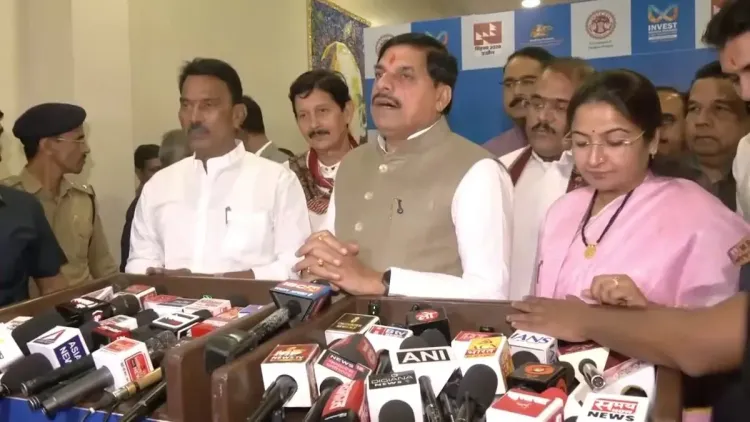
From small-town streets to Indore's skyline, Madhya Pradesh just drew a new map for its cities. At the Urban Growth Conclave 2.0 held on Wednesday, 28 October 2026, the Chief Minister's Office of Madhya Pradesh announced a comprehensive policy draft aimed at delivering affordable housing and fully-equipped townships across the state — with Indore earmarked as the flagship 'Future City.'
Chief Minister Dr. Mohan Yadav stated at the conclave: 'छोटे शहरों से लेकर बड़े महानगरों तक, सुनियोजित विकास पर विशेष ध्यान दिया जाएगा' — ('From small towns to large metros, special emphasis will be placed on planned development.') The draft policy, now published, is designed to open new possibilities for urban growth, he said, with a specific target of generating employment for lakhs of people through the Indore Future City framework.
What the draft promises: housing, townships, and jobs
The policy draft centres on two pillars: providing affordable housing to those in need, and developing self-sufficient townships equipped with all essential amenities. This mirrors the ambitions of the Pradhan Mantri Awas Yojana (Urban), launched in 2015, which set a national benchmark for housing the urban poor — and Madhya Pradesh now seeks to build on that foundation with a state-specific framework tailored to its own demographic spread.
Crucially, the conclave's agenda did not limit itself to tier-1 ambitions. The explicit inclusion of smaller cities signals a deliberate push against metro-centric development — a pattern that has historically left second and third-tier urban centres under-resourced despite rapid population growth.
Indore Future City: NITI Aayog's blueprint meets MP's ambition
The most striking announcement was the Indore Future City model, developed in alignment with NITI Aayog — India's apex policy think tank, established in 2015 to guide strategic development frameworks. The model envisions Indore, already Madhya Pradesh's largest city and a former Smart Cities Mission beneficiary, as a replicable prototype for integrated urban living: housing, infrastructure, and large-scale employment creation under a single planned vision.
State governments across India have increasingly leaned on NITI Aayog frameworks to future-proof their cities, and Madhya Pradesh's move fits squarely within that trend. What distinguishes this effort is the stated ambition to extend the model's logic outward — not just to polish Indore, but to wire smaller urban centres into the same planning grid.
MP Urban Department and the road from draft to delivery
The MP Urban Development Department (@mpurbandeptt) co-hosted the conclave and will be the primary implementation agency for the draft rollout. The published draft marks the formal beginning of a consultative and execution phase — city-specific timelines, infrastructure allocation, and employment metrics are expected to surface in subsequent state budget reviews.
The scale of the ambition is real. The execution, as always, will be the test. Madhya Pradesh has a live policy draft, a flagship city model, and a conclave on record — now the state's urban millions are watching whether the blueprint becomes bricks.
Point of View
CM Mohan Yadav positions the initiative as policy-backed rather than purely aspirational. The explicit inclusion of smaller cities in the draft is significant — it responds to a growing electoral and administrative pressure to distribute urban dividends beyond Indore and Bhopal. Whether the draft translates into measurable housing units and jobs will be the defining metric when MP's next budget and urban reviews come due.
NationPress
28 Oct 2026
Frequently Asked Questions
What is Urban Growth Conclave 2.0 in Madhya Pradesh?
Urban Growth Conclave 2.0 is a state-level conference held on 28 October 2026 in Madhya Pradesh to discuss and finalise urban development strategies, including affordable housing, integrated townships, and the Indore Future City model.
What is the Indore Future City project?
Indore Future City is a planned urban development model announced by CM Dr. Mohan Yadav, aligned with NITI Aayog guidelines, designed to create employment for lakhs of residents while serving as a replicable blueprint for future-ready cities in MP.
How does the MP urban draft policy help the poor?
The draft policy commits to providing affordable housing to those in need and developing fully-equipped townships, building on the national Pradhan Mantri Awas Yojana (Urban) framework to address urban housing shortages.
Which cities will benefit from Madhya Pradesh's new urban development plan?
The plan explicitly covers cities of all sizes — from small towns to large metros — with Indore as the flagship Future City, ensuring that urban development is not limited to major urban centres.
What role does NITI Aayog play in MP's urban planning?
NITI Aayog, India's apex policy think tank established in 2015, has provided the strategic framework within which the Indore Future City model is being developed, lending national-level policy credibility to Madhya Pradesh's urban growth plans.