MP's Shaurya Dal, 22.5 lakh strong, gets 5-year extension till 2030-31
Synopsis
What began as a six-district pilot in 2013 has grown into a 22.5 lakh-strong women's force operating across every district of Madhya Pradesh — and the state just backed it for five more years. The Shaurya Dal's model of prevention through community counselling, not policing, is now being held up as a national template for grassroots women's empowerment.
Key Takeaways
The Madhya Pradesh government extended the Shaurya Dal initiative for five years, from 2026–27 to 2030–31 .
The network has grown to 22.5 lakh members , including 7.64 lakh young women from schools and colleges and 14.88 lakh homemakers and elderly women.
Members aged 15 to 45 intervene in cases of domestic violence, child marriage, and suspected human trafficking through community counselling.
Originally launched in 2013 across six districts , the dal now operates in every district of the state.
The state government called the Shaurya Model 'an example for the entire nation' in shifting empowerment from policy to practice.
The Madhya Pradesh government on Tuesday extended the Shaurya Dal initiative for five years — from 2026–27 to 2030–31 — after the women-led community network grew into a 22.5 lakh-strong force credited with preventing crimes and shifting women's empowerment, in the government's own words, 'from paperwork to action.' The extension was announced by the state's Department of Women and Child Development.
From Six Districts to Every Corner of the State
Launched in 2013 across just six districts, the Shaurya Dal now operates in every district of Madhya Pradesh. The Department of Women and Child Development described the network's members as society's guardians — women without uniforms or formal policing powers who nonetheless intervene at the earliest signs of trouble.
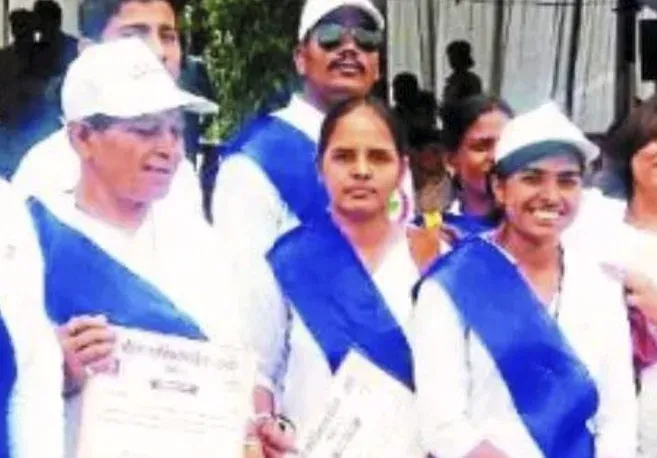
'If you spot a group of women in villages and city streets of Madhya Pradesh, some adjusting their saree pallus and others carrying college bags, they are not mere passers-by. They are members of the state's Shaurya Dal,' the department said in a statement on Tuesday.
Who the Members Are and What They Do
The network spans two broad cohorts: 7.64 lakh young women from schools and colleges, and 14.88 lakh homemakers and elderly women. Members aged 15 to 45 are trained to identify early warning signs of domestic violence, child marriage, and suspected human trafficking, and to resolve disputes through community counselling before they escalate to police or courts.
The state government argued that this prevention-first approach has measurably reduced the burden on law enforcement. Notably, the mix of 'youthful zeal and seasoned experience' has been cited as particularly effective in challenging regressive social norms across tribal belts and urban wards alike.
Beyond Protection: A Platform for Rights
Officials said the Shaurya Dal has evolved beyond crime prevention into a platform for asserting broader rights. Women in the network are now actively pushing for equal access to health, nutrition, education, employment, and social security — moving well beyond passive beneficiaries of government schemes.
'The Shaurya Dal has transformed the concept of empowerment from paperwork into a tangible reality,' the state government said. It further described the model as 'an example for the entire nation,' adding that 'true women's empowerment is achieved when the reins of change are placed directly in the hands of women themselves.'
What the Five-Year Extension Signals
The renewal through 2030–31 signals institutional confidence in a community-policing model that relies on social trust rather than state authority. This is the first formal extension since the initiative's launch, and comes as women's safety and grassroots empowerment remain central to political discourse in Madhya Pradesh. With the network now embedded across all districts, the next phase will test whether the dal can sustain its community-counselling effectiveness at scale — and whether outcomes beyond crime prevention, such as health and education access, are formally tracked.
Point of View
Now extended to 2030–31 — is unusual for a state-run social initiative, and that durability deserves scrutiny as much as celebration. The government's own framing is largely self-congratulatory, with no independent data on crime rates, conviction outcomes, or the number of disputes actually resolved before reaching courts. A 22.5 lakh-strong network that operates without uniforms or legal powers is remarkable, but its accountability framework remains opaque. The real question for the next five years is whether the dal's claimed impact on domestic violence and trafficking can be verified — and whether the expansion into health, nutrition, and education access comes with measurable targets or remains aspirational rhetoric.
NationPress
23 Oct 2026
Frequently Asked Questions
What is the Shaurya Dal in Madhya Pradesh?
The Shaurya Dal is a women-led community network in Madhya Pradesh, launched in 2013, that works to prevent crimes such as domestic violence, child marriage, and human trafficking through community counselling rather than formal policing. It now has 22.5 lakh members spread across every district of the state.
Why has the Madhya Pradesh government extended the Shaurya Dal?
The state government extended the initiative for five years, from 2026–27 to 2030–31, citing the network's growth and its credited role in preventing crimes and advancing women's empowerment at the grassroots level. The Department of Women and Child Development said the dal has turned women into 'society's guardians.'
Who can be a member of the Shaurya Dal?
Women aged 15 to 45 are eligible to join the Shaurya Dal. The current membership includes 7.64 lakh young women from schools and colleges and 14.88 lakh homemakers and elderly women.
How does the Shaurya Dal prevent crime without police powers?
Members intervene at early signs of domestic violence, child marriage, and suspected human trafficking through community counselling, aiming to resolve disputes before they reach police or courts. The government says this prevention-first approach has reduced the burden on law enforcement.
Where did the Shaurya Dal start, and how far has it expanded?
The Shaurya Dal was launched in 2013 across six districts of Madhya Pradesh. It has since expanded to cover every district in the state, with the state government now describing it as a model for the entire country.