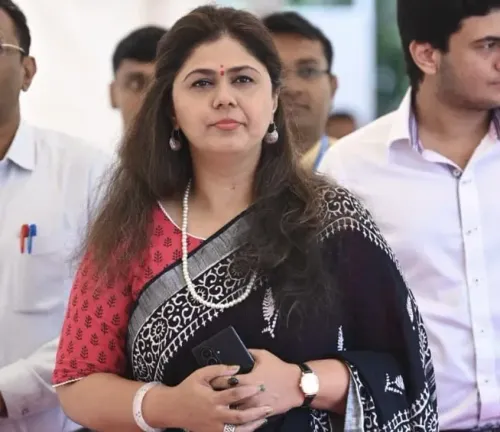
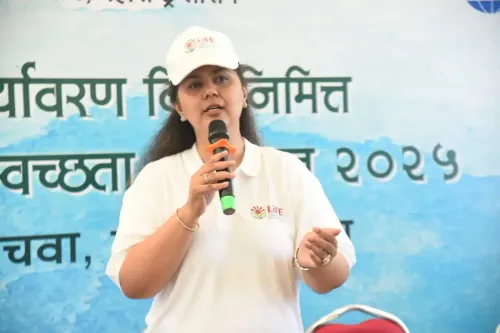
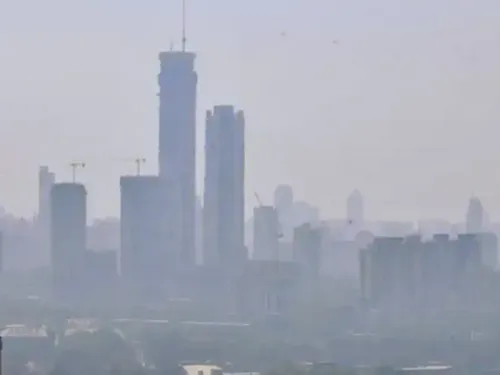
Mumbai Metropolitan Region to get Clean Air Action Plan, says Maharashtra Minister Pankaja Munde
Synopsis
Maharashtra Environment Minister Pankaja Munde has ordered a sweeping overhaul of how Mumbai fights air pollution — from deploying vacuum cleaners on roads to cracking down on debris-loaded trucks and tightening industrial inspections. A formal Clean Air Action Plan for the entire MMR is on the way, with guidelines promised within 15 to 20 days.
Key Takeaways
Maharashtra Minister Pankaja Munde announced a Clean Air Action Plan for the Mumbai Metropolitan Region on 23 October 2026 .
Road dust will be tackled using vacuum cleaning machines , water sprinklers, and treated wastewater — conventional sweeping alone deemed insufficient.
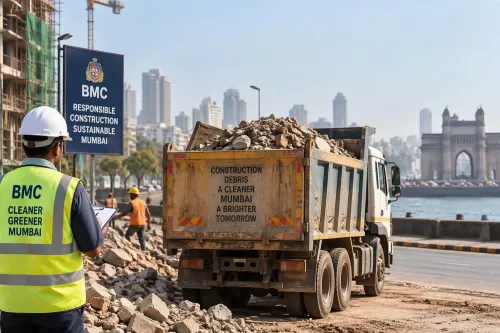
Vehicles carrying construction debris must keep loads fully covered ; the Traffic Police is directed to stop non-compliant vehicles, not just fine them.
The Maharashtra Pollution Control Board (MPCB) has been directed to increase inspection frequency and verify post-inspection industrial compliance.
A coordinated debris collection, processing, and recycling system is being developed; guidelines expected within 15 to 20 days .
Separate meetings will be held with the Panvel , Kalyan , and Mumbai municipal corporations to address local challenges.
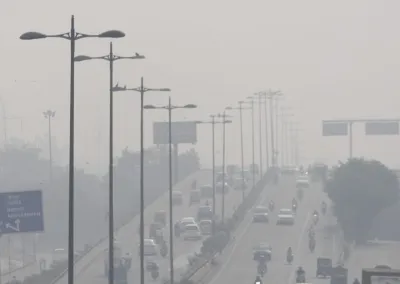
Maharashtra Environment and Climate Change Minister Pankaja Munde on Friday, 23 October 2026, announced that a comprehensive Clean Air Action Plan will be implemented across the Mumbai Metropolitan Region (MMR) to combat deteriorating air quality. The plan targets four key pollution drivers: road dust, construction debris transport and disposal, industrial emissions, and vehicular pollution.
Key Measures Announced
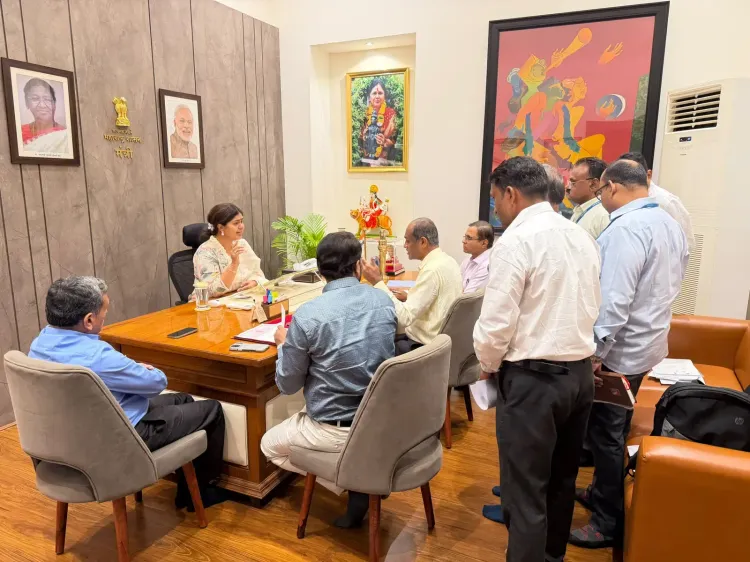
Minister Munde, speaking at a review meeting convened amid worsening air quality in Mumbai, stated that conventional sweeping methods are inadequate to address pollution. She directed municipal corporations to deploy vacuum cleaning machines and water sprinklers for road dust suppression, and mandated that vehicles transporting construction debris must have their loads fully covered at all times. Officials were also asked to explore using treated wastewater for road sprinkling as an eco-sensitive alternative.
She further instructed that technical solutions for road cleaning, dust suppression, and regular air quality monitoring must be procured and operationalised by all municipal bodies within the MMR.
Construction Debris and Urban Dust Under the Lens
With extensive construction and redevelopment projects underway across the MMR, Munde identified debris disposal as a critical pollution flashpoint. She noted that several municipal corporations lack adequate dumping sites and called for a coordinated system covering debris collection, transport, processing, and recycling. Municipal bodies were encouraged to explore joint utilisation of available land and develop independent disposal systems that also promote debris reuse in construction. Guidelines on this are expected to be ready within 15 to 20 days.
Munde also flagged dust in open grounds of schools and colleges as a concern requiring targeted mitigation, and called for a technical study on rooftop gardens and eco-friendly structural design changes to reduce urban heat and dust levels.
Traffic Enforcement and Industrial Compliance
On vehicular pollution, the minister directed the Traffic Police Department to go beyond issuing fines — non-compliant vehicles must be stopped from proceeding until full compliance is achieved. She stressed coordination between traffic police and other agencies to monitor vehicles transporting construction material.
For industrial pollution, Minister Munde instructed the Maharashtra Pollution Control Board (MPCB) to increase the frequency of site visits and rigorously verify post-inspection compliance. She noted that older machinery and outdated production processes in certain industrial clusters are contributing disproportionately to pollution levels and require site-specific remedies. Importantly, she clarified that the goal is not mass industry shutdowns but ensuring corrective improvements.
Next Steps and Local Body Consultations
Separate review meetings will be held with individual municipal corporations — including those of Panvel, Kalyan, and Mumbai — to address location-specific challenges. Munde underlined that while Mumbai's coastal geography aids natural air circulation, it is not sufficient on its own, and a multi-agency, coordinated action plan is essential.
All municipal corporations and relevant departments have been urged to collectively prepare and effectively execute the joint Clean Air Action Plan for the MMR. With guidelines due in the coming weeks, implementation timelines will be a key indicator of how quickly these commitments translate into measurable air quality improvements.
Point of View
And whether the Traffic Police's upgraded enforcement powers are actually exercised. Mumbai's air quality problem is structurally linked to its construction boom and vehicle density, neither of which a single action plan resolves; without binding timelines and independent monitoring, this risks becoming another well-intentioned blueprint that does not move the air quality needle.
NationPress
23 Oct 2026
Frequently Asked Questions
What is the Clean Air Action Plan for the Mumbai Metropolitan Region?
It is a multi-agency pollution control framework announced by Maharashtra Environment and Climate Change Minister Pankaja Munde on 23 October 2026, targeting road dust, construction debris disposal, industrial emissions, and vehicular pollution across the MMR. Detailed guidelines are expected to be finalised within 15 to 20 days.
What new measures will be used to control road dust in Mumbai?
Municipal corporations have been directed to deploy vacuum cleaning machines and water sprinklers instead of relying on conventional broom sweeping. The minister also asked officials to explore using treated wastewater for road sprinkling as an eco-friendly and cost-effective alternative.
How will construction debris pollution be addressed under the plan?
Vehicles transporting construction material must fully cover their loads at all times, and traffic police are directed to stop non-compliant vehicles rather than merely imposing fines. A coordinated debris collection, transport, processing, and recycling system will be developed, with municipal corporations encouraged to share disposal sites.
What action will be taken against polluting industries in the MMR?
The Maharashtra Pollution Control Board has been instructed to increase the frequency of industrial inspections and strictly verify compliance after each visit. Minister Munde clarified that the goal is corrective improvement — particularly updating older machinery and processes — rather than blanket shutdowns.
Which municipal corporations will be consulted as part of this initiative?
Separate review meetings will be held with the municipal corporations of Panvel, Kalyan, and Mumbai to address their specific challenges. All MMR municipal bodies have been asked to collectively prepare and execute the joint action plan.