Nagaland churches must lead drug fight beyond pulpit, says Advisor Konyak
Synopsis
On International Anti-Drug Day, Nagaland's Social Welfare Advisor Wangpang Konyak called on churches to move beyond the pulpit and build institutional counselling units, while DGP Rupin Sharma warned that the state's rehabilitation infrastructure is inadequate. With synthetic drugs flowing through digital networks and Nagaland's border with Myanmar under pressure, the gap between official resolve and on-ground capacity is the real story.
Key Takeaways
Wangpang Konyak , Advisor for the Nagaland Social Welfare Department , called on churches and civil society to take institutional roles in combating drug abuse on 26 June .
Konyak warned of 'technology-driven trafficking cartels' using smartphones to reach youth in towns and villages.
The Nagaland government is committed to expanding de-addiction centres and tightening enforcement of the NDPS Act .
DGP Rupin Sharma flagged that the state's rehabilitation infrastructure remains inadequate and called for greater clinical and psychological counselling.
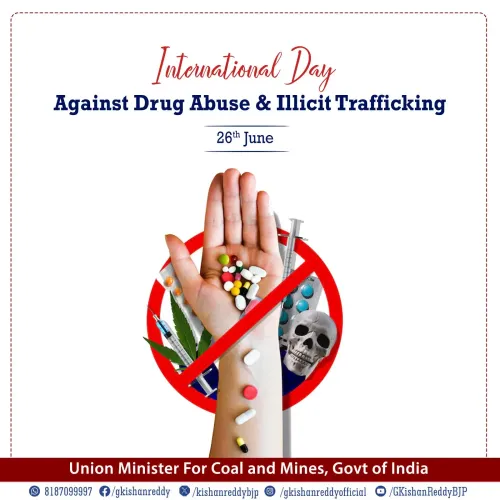
State-wide anti-drug campaigns were held across Nagaland to mark the International Day Against Drug Abuse and Illicit Trafficking .
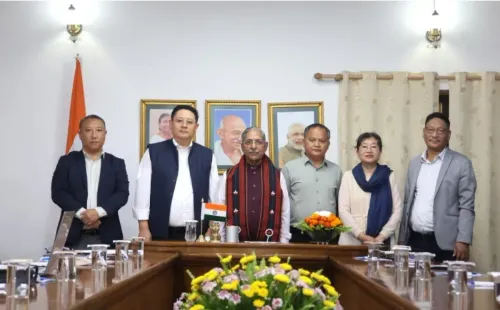
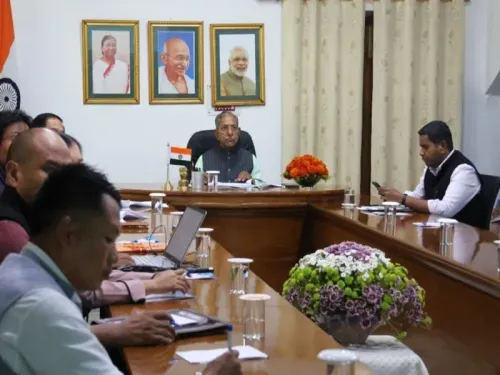
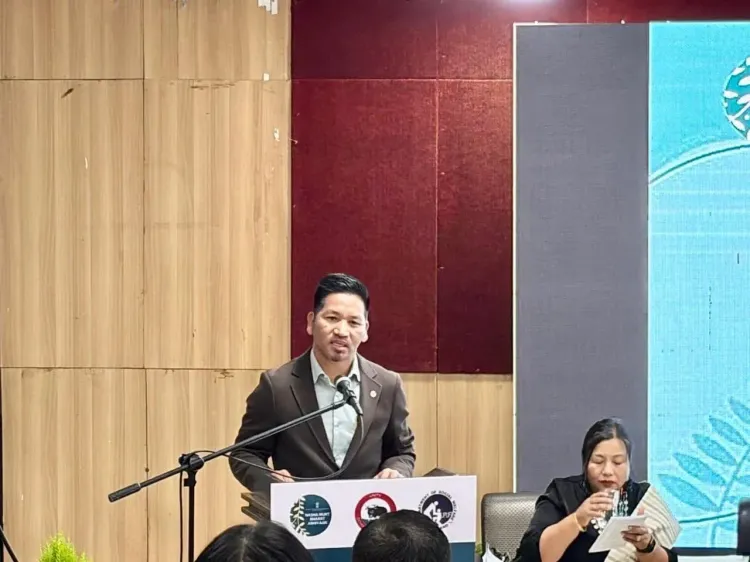
Wangpang Konyak, Senior Naga leader and Advisor for the Nagaland Social Welfare Department, on 26 June called on churches, educational institutions, civil society organisations, and community groups to take a proactive, coordinated role in tackling the growing substance abuse crisis in the state. Speaking on the occasion of the International Day Against Drug Abuse and Illicit Trafficking, Konyak stressed that safeguarding the younger generation demands collective action that goes well beyond government intervention alone.
Churches as Institutional Pillars Against Addiction
Addressing the programme in Kohima, Konyak underscored that faith-based organisations — particularly the Church — wield immense social influence in Nagaland and are uniquely positioned to drive transformative change. He urged churches to move beyond the pulpit and establish structured, compassionate interventions: setting up church-led counselling units, helping de-stigmatise addiction and mental health struggles, and running youth-centric mentorship programmes.
He also appealed to Mothers' Associations, youth organisations, and student unions to work in concert to shield young people from negative influences. Konyak called for the creation of drug-free localities and encouraged positive peer engagement through sports, music, cultural activities, and vocational skill development.
A Mutating Threat: Synthetic Drugs and Digital Trafficking
'The old, predictable threats of traditional narcotics have mutated. We face a complex frontier of highly addictive synthetic drugs and sophisticated, technology-driven trafficking cartels that infiltrate our towns and villages right through the smartphones in our children's hands,' Konyak said. He described drug abuse as 'not just an individual failure' but 'a systemic threat to public health, economic productivity, and regional security.'
This framing is significant: Nagaland's geography — bordering Myanmar, a major source of synthetic drugs — makes the state particularly vulnerable to cross-border trafficking networks that have increasingly turned to digital platforms for distribution.
Centre's Nasha Mukt Bharat Abhiyaan and State Alignment
Konyak highlighted that the Central government's flagship Nasha Mukt Bharat Abhiyaan (NMBA) has recognised that a purely punitive, law-and-order approach is insufficient. Under the vision of a Viksit Bharat, the focus has shifted towards demand reduction, grassroots counselling, data-driven mapping of vulnerable hotspots, and dignified rehabilitation. In alignment with this, the Nagaland government conducts awareness campaigns statewide through District Level NMBA Committees headed by Deputy Commissioners. The state has also committed to strengthening enforcement of the Narcotic Drugs and Psychotropic Substances (NDPS) Act, tightening border monitoring, and expanding the number of de-addiction centres.
DGP Rupin Sharma Flags Rehabilitation Gaps
Director General of Police (DGP) Rupin Sharma, speaking at a separate programme on the same occasion, expressed concern over the rising incidence of drug peddling and substance abuse, noting that easy availability continues to pose a serious challenge, particularly among the youth. Sharma pointed out that many people conflate psychological or medical counselling with religious counselling — a distinction he called critical. 'While religion provides moral and ethical guidance,' the senior IPS officer noted, 'addiction requires professional treatment and medical intervention.' He flagged that the state's rehabilitation infrastructure remains inadequate.
Sharma urged citizens to actively cooperate with law enforcement by reporting drug abuse and trafficking, assuring that the identity of informants would be kept strictly confidential. He also emphasised that drugs are not a solution to challenges such as depression, unemployment, or financial hardship, but instead worsen such conditions and harm individuals, families, and communities.
State-Wide Campaigns Mark Anti-Drug Day
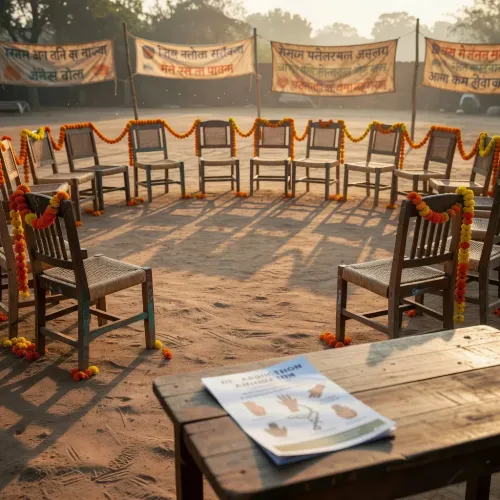
A series of anti-drug campaigns, awareness programmes, and community events were organised across Nagaland on Friday to mark the International Day Against Drug Abuse and Illicit Trafficking. The coordinated outreach reflects a broader push to embed anti-drug messaging at the grassroots level, with schools, community halls, and local bodies all participating. With both government officials and civil society leaders aligning on the urgency of the issue, the coming months will test whether these calls translate into sustained institutional action.
Point of View
Where faith-based networks reach communities that government infrastructure simply does not. But DGP Sharma's candid admission that rehabilitation capacity is inadequate is the more consequential signal — without beds, trained counsellors, and sustained funding, awareness campaigns risk becoming annual rituals. Nagaland's border exposure to Myanmar's synthetic drug supply chains means the threat is structural, not episodic. The real test is whether this International Anti-Drug Day momentum produces a funded, monitored expansion of de-addiction centres rather than another round of well-intentioned speeches.
NationPress
25 Sept 2026
Frequently Asked Questions
What did Nagaland Advisor Wangpang Konyak say about churches and drug abuse?
Konyak urged churches to move beyond the pulpit and establish institutional interventions including counselling units, de-stigmatisation efforts, and youth mentorship programmes. He made these remarks on 26 June at a programme marking the International Day Against Drug Abuse and Illicit Trafficking in Kohima.
What is the Nasha Mukt Bharat Abhiyaan and how does Nagaland implement it?
The Nasha Mukt Bharat Abhiyaan (NMBA) is the Central government's flagship anti-drug movement focused on demand reduction, grassroots counselling, and rehabilitation rather than purely punitive enforcement. In Nagaland, it is implemented through District Level NMBA Committees headed by Deputy Commissioners who conduct state-wide awareness campaigns.
What concerns did DGP Rupin Sharma raise about drug abuse in Nagaland?
DGP Sharma flagged the easy availability of drugs, the state's inadequate rehabilitation infrastructure, and the common confusion between religious and clinical counselling. He urged citizens to report drug abuse and trafficking to police, assuring confidentiality for informants.
Why is Nagaland particularly vulnerable to synthetic drug trafficking?
Nagaland shares a border with Myanmar, a major source of synthetic drugs, and according to Konyak, sophisticated technology-driven trafficking networks are now using digital platforms and smartphones to reach youth in towns and villages across the state.
What steps is the Nagaland government taking to address drug abuse?
The state government is strengthening enforcement of the Narcotic Drugs and Psychotropic Substances (NDPS) Act, tightening border monitoring, expanding de-addiction centres, and conducting district-level awareness campaigns under the Nasha Mukt Bharat Abhiyaan framework.