Kishan Reddy Calls for Drug-Free India on UN Anti-Drug Day
Synopsis
Union Minister G. Kishan Reddy marked the International Day Against Drug Abuse and Illicit Trafficking on 26 June by calling for a drug-free India, urging awareness, healthy lifestyles, and youth empowerment as pillars of national progress.
Key Takeaways
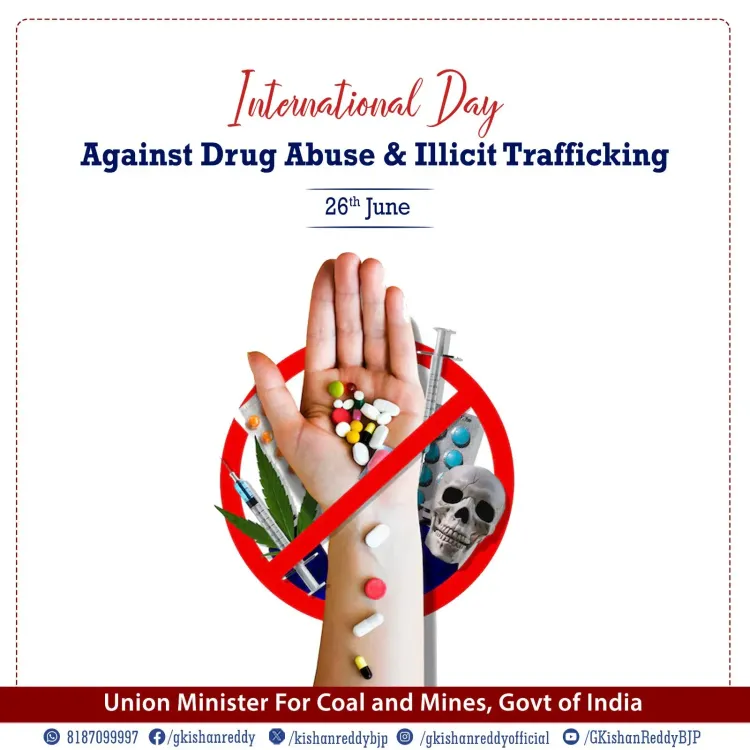
Kishan Reddy , Union Minister of Coal and Mines, posted a message on 26 June for the International Day Against Drug Abuse and Illicit Trafficking .
The minister called for reaffirming commitment to a 'healthier, stronger and drug-free India' with a focus on youth empowerment.
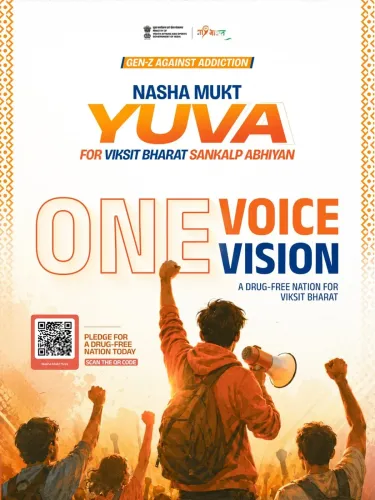
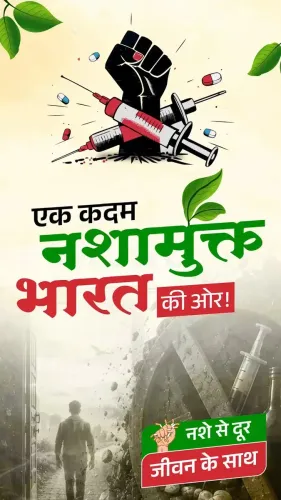
India's Nasha Mukt Bharat Abhiyan , launched in August 2020 , targets 272 most-affected districts with awareness and de-addiction services.
The NDPS Act, 1985 was amended in 2014 and 2021 to introduce stricter penalties and better treatment provisions for addicts.
India pursues a dual strategy of supply-side enforcement via the Narcotics Control Bureau and demand reduction through community awareness programmes.
Trafficking pressure from the Golden Crescent and Golden Triangle corridors continues to shape India's regional anti-drug posture.
Union Coal and Mines Minister G. Kishan Reddy on Friday, 26 June marked the International Day Against Drug Abuse and Illicit Trafficking by calling on citizens to reaffirm their commitment to building a 'healthier, stronger and drug-free India,' urging particular focus on empowering the country's youth.
Context
Every year on 26 June, the United Nations observes the International Day Against Drug Abuse and Illicit Trafficking to draw global attention to the harms of narcotics and to promote prevention. Kishan Reddy's post aligns with this annual cycle of national messaging, in which ministers across portfolios use the occasion to reinforce India's public commitment to drug-free communities.
In his post, the minister wrote: 'By promoting awareness, healthy lifestyles and positive choices, we can empower our youth to realise their full potential and contribute to the nation's progress.' He added a call for collective action: 'Together, let us work towards a future where every individual thrives with hope, dignity and opportunity.'
Policy Backdrop
India's anti-drug framework rests on two pillars: enforcement and demand reduction. The Narcotic Drugs and Psychotropic Substances (NDPS) Act, 1985 — amended in 2014 and again in 2021 — remains the country's primary legislation controlling the production, trade, and consumption of illicit drugs, with successive amendments introducing stricter penalties alongside improved provisions for the treatment of those dependent on substances.
On the demand side, the Nasha Mukt Bharat Abhiyan, launched in August 2020 under the Ministry of Social Justice and Empowerment, targets the 272 most-affected districts across the country with community awareness drives, counselling centres, and de-addiction services. The campaign specifically focuses on youth, women, and educational institutions as primary outreach groups.
India's domestic efforts are also linked to its obligations under the three core UN drug conventions and to regional mechanisms addressing trafficking flows from the Golden Crescent (Afghanistan-Iran-Pakistan corridor) and the Golden Triangle (Myanmar-Laos-Thailand corridor), both of which exert sustained pressure on Indian borders.
Stakeholders and Impact
Indian youth remain the most directly addressed constituency in anti-drug messaging, given demographic vulnerability to substance abuse. Families affected by addiction, rehabilitation workers, and law-enforcement agencies — particularly the Narcotics Control Bureau (NCB) — are the other principal stakeholders in translating political commitments into on-ground outcomes.
Civil society organisations operating de-addiction centres and school-level awareness programmes look to ministerial statements on occasions such as this as signals of continued government prioritisation of funding and policy support for their work.
What's Next
Attention will turn to progress reports on the Nasha Mukt Bharat Abhiyan's district-level outcomes, including data on the number of individuals reached through counselling and rehabilitation under the scheme. Any fresh amendments to the NDPS Act or budgetary allocations for de-addiction infrastructure tabled in Parliament will be closely watched as indicators of whether the political messaging translates into legislative and financial action.
Point of View
Serving as a low-cost, high-visibility reaffirmation of political will rather than a policy announcement. Kishan Reddy's message follows a well-worn template — youth, awareness, collective action — that successive governments have deployed without significant variation. The real test of such commitments lies in the district-level outcomes of the Nasha Mukt Bharat Abhiyan and in whether Parliament moves on further NDPS reforms. Until measurable metrics accompany the messaging, statements of this kind function primarily as symbolic alignment with a UN observance rather than as drivers of policy change.
NationPress
24 Sept 2026
Frequently Asked Questions
What is the International Day Against Drug Abuse and Illicit Trafficking?
It is a UN-designated annual observance held every 26 June to highlight the harms of narcotics, promote prevention, and mobilise political commitment against illicit drug trafficking worldwide.
What is the Nasha Mukt Bharat Abhiyan?
The Nasha Mukt Bharat Abhiyan is a Government of India campaign launched in August 2020 targeting 272 most-affected districts with community awareness, counselling, and de-addiction services under the Ministry of Social Justice and Empowerment.
What did G. Kishan Reddy say on Anti-Drug Day 2026?
G. Kishan Reddy called on citizens to reaffirm their commitment to a 'healthier, stronger and drug-free India,' emphasising awareness, healthy lifestyles, and youth empowerment as tools to help young people realise their full potential.
What is the NDPS Act and when was it last amended?
The Narcotic Drugs and Psychotropic Substances (NDPS) Act, 1985 is India's primary law controlling illicit drugs. It was last amended in 2021 to introduce stricter penalties and improved provisions for the treatment of drug-dependent individuals.
Which drug trafficking routes pose the biggest threat to India?
India faces sustained trafficking pressure from the Golden Crescent (the Afghanistan-Iran-Pakistan corridor) and the Golden Triangle (the Myanmar-Laos-Thailand corridor), both of which are addressed through regional enforcement mechanisms alongside domestic policing by the Narcotics Control Bureau.