Nagaland child rights panel flags gaps in care for vulnerable children
Synopsis
Nagaland's child rights commission has laid bare a troubling infrastructure deficit — children with mental health issues, disabilities, and substance abuse problems lack adequate care facilities in the state. Presented directly to Governor Nand Kishore Yadav at Lok Bhavan, the findings signal that legislative frameworks exist on paper but the physical and institutional backbone to support the most vulnerable children remains dangerously thin.
Key Takeaways
The Nagaland State Commission for Protection of Child Rights (NSCPCR) flagged inadequate facilities for children with mental health concerns , substance abuse issues, and disabilities .
Nagaland Governor Nand Kishore Yadav chaired the review meeting at Lok Bhavan, Kohima on 24 September 2026 .
The Commission has monitored implementation of the JJ Act 2015 , POCSO Act 2012 , Right to Education Act 2009 , and Child Labour Act 1986 across Nagaland's districts.
The panel called for additional members, regular staff, and enhanced grant-in-aid to strengthen its institutional capacity.
The NSCPCR participated in drafting the Tawang Declaration in Arunachal Pradesh , contributing to a regional child rights framework.
Future plans include child-friendly rooms in courts and police stations, and district-level campaigns on substance abuse, trafficking, and digital safety.
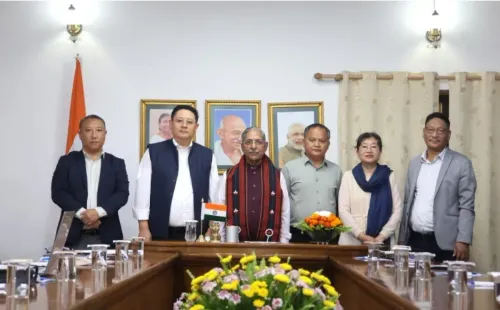
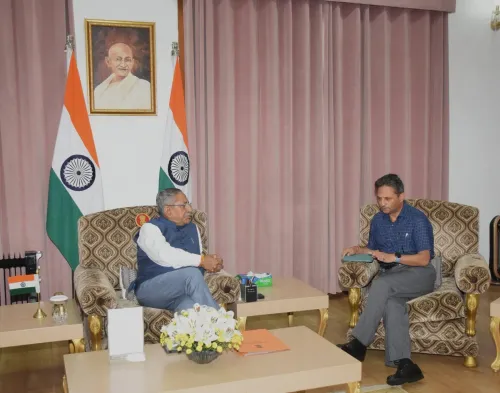
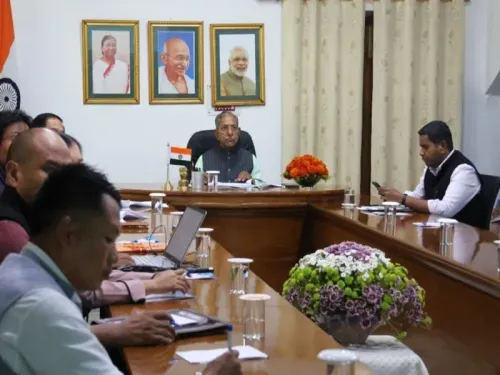
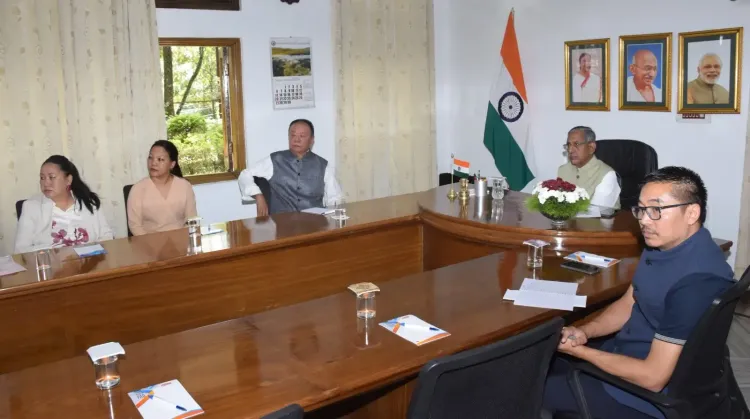
The Nagaland State Commission for Protection of Child Rights (NSCPCR) has flagged critical gaps in infrastructure and facilities for children requiring care and protection, particularly those dealing with mental health concerns, substance abuse, and disabilities. The concerns were presented during a high-level review meeting held on Thursday, 24 September 2026, at Lok Bhavan in Kohima, chaired by Nagaland Governor Nand Kishore Yadav.
What the Commission Presented
The NSCPCR gave an overview of its activities and initiatives undertaken since 2023, covering its role in monitoring the implementation of several key child protection legislations. These include the Juvenile Justice (Care and Protection of Children) Act, 2015, the Protection of Children from Sexual Offences (POCSO) Act, 2012, the Right to Education Act, 2009, and the Child and Adolescent Labour (Prohibition and Regulation) Act, 1986, across all districts of Nagaland.
The Commission also detailed its regular awareness programmes involving tribal bodies, village councils, schools, and District Heads of Departments, as well as its work in facilitating convergence among the Police, Judiciary, Social Welfare, Health, Education, Labour departments, and NGOs.
Key Challenges Highlighted
'The Commission outlined key challenges, including inadequate infrastructure and facilities for children requiring care and protection, particularly children with mental health concerns, substance abuse issues and disabilities,' according to the official Lok Bhavan statement. The panel also stressed the need to strengthen its own institutional capacity through additional members, regular staff, and enhanced grant-in-aid to effectively discharge its functions.
Notably, the Commission has undertaken inspections of Child Care Institutions, Observation Homes, Special Homes, and schools, and has conducted talk shows on child rights through Radio and Doordarshan. It has also initiated efforts to incorporate provisions of the JJ Act and POCSO Act into the curriculum of the Nagaland Police Training School.
Training, Media Engagement and Regional Cooperation
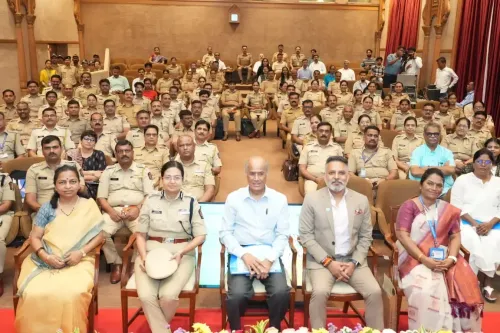
The review highlighted intensive training programmes for police personnel on the JJ Act and POCSO Act at both state and district levels. Workshops with the media fraternity on 'Child Friendly Media' and the role of journalism in child protection were also noted. This comes amid growing recognition across Northeast India of the need for region-specific child protection frameworks.
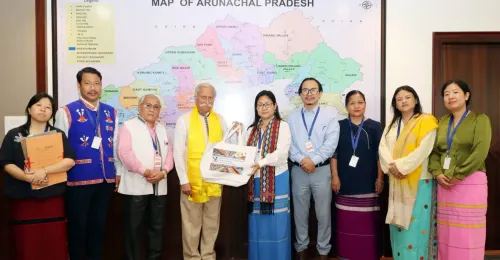
The Commission also participated in the deliberations and formulation of the Tawang Declaration during a convergence programme recently held in Tawang, Arunachal Pradesh — contributing to a collective regional framework for advancing child rights and protection.
Plans and Priorities Going Forward
Among its forward-looking plans, the NSCPCR intends to promote child-friendly rooms in courts and police stations, ensuring a child-sensitive environment for minors coming into contact with the law enforcement system. Continued awareness and capacity-building programmes across all districts will focus on substance abuse prevention, child trafficking and exploitation prevention, online and digital safety, children with disabilities, and sensitisation of key stakeholders.
The review meeting assessed the Commission's ongoing efforts, its institutional gaps, and future priorities — all aimed at reinforcing child protection mechanisms across Nagaland. How quickly the identified infrastructure deficits are addressed will determine the pace of meaningful progress on the ground.
Point of View
Where geographic remoteness compounds institutional thinness. The Commission's own admission that it lacks sufficient members and staff raises a deeper question: can a resource-starved watchdog meaningfully hold a resource-starved system accountable? Until grant-in-aid commitments translate into functional facilities and trained personnel, the Tawang Declaration and training workshops risk remaining aspirational milestones rather than measurable change.
NationPress
24 Sept 2026
Frequently Asked Questions
What are the key challenges flagged by the Nagaland child rights commission?
The NSCPCR highlighted inadequate infrastructure and facilities for children requiring care and protection, especially those with mental health concerns, substance abuse issues, and disabilities. It also noted the need for more commission members, regular staff, and enhanced grant-in-aid.
Who chaired the NSCPCR review meeting in Kohima?
Nagaland Governor Nand Kishore Yadav chaired the review meeting at Lok Bhavan, Kohima, on 24 September 2026. The meeting assessed the Commission's activities, challenges, and future priorities.
Which child protection laws is the NSCPCR monitoring in Nagaland?
The Commission monitors the Juvenile Justice (Care and Protection of Children) Act 2015, the POCSO Act 2012, the Right to Education Act 2009, and the Child and Adolescent Labour (Prohibition and Regulation) Act 1986 across Nagaland's districts.
What is the Tawang Declaration and what role did Nagaland play?
The Tawang Declaration is a collective regional framework for advancing child rights and protection, formulated during a convergence programme in Tawang, Arunachal Pradesh. The NSCPCR participated in its deliberations and formulation, contributing Nagaland's perspective to the regional framework.
What are the NSCPCR's plans going forward?
The Commission plans to promote child-friendly rooms in courts and police stations, and continue district-level awareness programmes focusing on substance abuse prevention, child trafficking, online safety, and children with disabilities. Capacity-building of key stakeholders is also a stated priority.