Is Nagaland Ready for the 26th 'Hornbill Festival'?

Synopsis
Get ready for the vibrant 26th 'Hornbill Festival' in Nagaland! From December 1-10, experience a rich cultural tapestry featuring traditional dances, music, cuisine, and international participation. Join the celebration at the Naga Heritage Village in Kisama as Nagaland showcases its heritage and promotes tourism!
Key Takeaways
10-day celebration showcasing Nagaland's tribal heritage.
Participation from six international countries .
Focus on promoting tourism and cultural understanding.
Relaxation of Protected Area Permit for foreign visitors.
A plethora of traditional arts and sports activities.
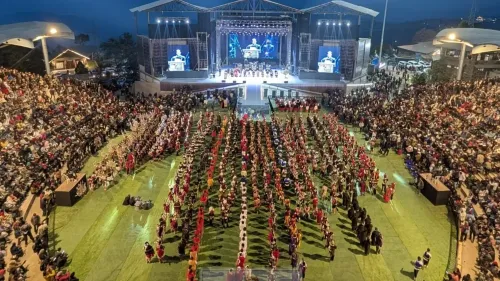
Kohima, Nov 30 (NationPress) Nagaland is fully prepared for the 26th edition of the renowned 'Hornbill Festival', commencing on Monday, with extensive arrangements underway at the Naga Heritage Village in Kisama, situated approximately 12 km south of the state capital, Kohima.
This 10-day festival, coinciding with Nagaland's Statehood Day, will run from December 1 to 10. This year's event will also feature the participation of six Partner Countries: the UK, France, Austria, Switzerland, Malta, and Ireland, with Arunachal Pradesh joining as the Partner State.
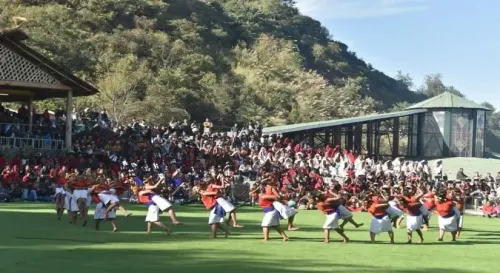
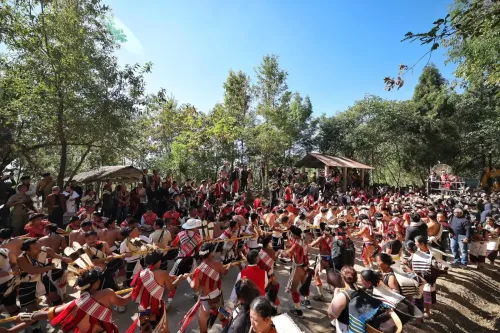
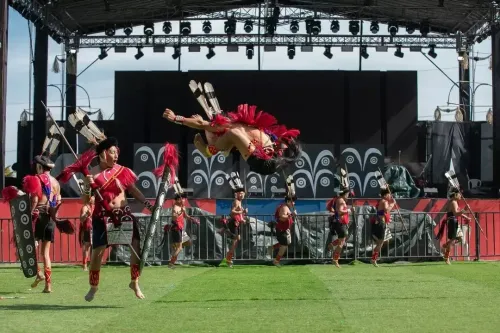
Named after the hornbill, a globally admired bird that holds a significant place in Naga folklore, the festival unites all 17 major tribes of Nagaland and their sub-tribes, showcasing their rich cultural heritage through traditional dances, music, attire, and customs.
According to the 2011 census, over 86 percent of the state's two million residents belong to tribal groups. The primary aim of this annual event is to preserve and promote Nagaland's enduring traditions while providing visitors a deeper understanding of its diverse cultural tapestry.
Every year, tourists from across India and around the globe flock to the festival to relish traditional cuisine, art forms, performances, and indigenous sports.
Lauded as the 'Festival of Festivals', Hornbill stands as one of India's largest cultural tourism events and plays a crucial role in positioning Nagaland as a vibrant travel destination.
In addition to cultural exhibits, the state will also spotlight business and investment opportunities via industry roundtables throughout the 10-day extravaganza.
A spokesperson from the Tourism Department remarked that the festival brings together people from various communities and nations, presenting a vivid array of crafts, sports, food fairs, games, and ceremonial events.
Traditional arts such as wood carving, painting, and sculpture will be prominently displayed. Key highlights include the Naga Morungs exhibition, sales of arts and crafts, food and herbal medicine stalls, flower shows, cultural performances, fashion shows, beauty pageants, traditional archery, Naga wrestling, indigenous games, and musical concerts.
In response to requests from the Nagaland government, the Centre announced on Saturday a relaxation of the Protected Area Permit (PAP) regime for foreign visitors during the festival.
A senior official in Kohima stated that the Ministry of Home Affairs (MHA) has informed Chief Secretary Sentiyanger Imchen that the Government of India has sanctioned a temporary PAP relaxation for the 10-day duration.
The state government has been advocating for this temporary relaxation over the past year to ensure greater global participation.
Chief Minister Neiphiu Rio has engaged with central leaders, including Union Home Minister Amit Shah, on several occasions and has written multiple times to the Centre regarding this matter.
The PAP, enforced under the Foreigners (Protected Areas) Order of 1958, regulates the entry of foreign nationals into Nagaland, Manipur, and Mizoram.
Point of View
It is crucial to recognize the significance of the Hornbill Festival in showcasing Nagaland’s cultural diversity. This event not only promotes tourism but also fosters unity among diverse communities, enhancing the state’s profile on both national and international platforms. The festival is an emblem of cultural pride and resilience.
NationPress
21 Sept 2026
Frequently Asked Questions
What is the Hornbill Festival?
The Hornbill Festival is an annual cultural festival in Nagaland that showcases the rich traditions, customs, and culture of the state's various tribes.
When does the Hornbill Festival take place?
The festival runs from December 1 to December 10 each year.
Where is the Hornbill Festival held?
The festival takes place at the Naga Heritage Village in Kisama, approximately 12 km from Kohima.
What activities are featured at the festival?
The festival features traditional dances, music, food stalls, art exhibitions, fashion shows, and various sports events.
Is there foreign participation in the festival?
Yes, this year includes participation from six partner countries and one partner state, enhancing the festival's global appeal.