What Cultural Wonders Unfolded on the Second Day of the Hornbill Festival in Nagaland?
Synopsis
The second day of the Hornbill Festival in Nagaland dazzled spectators with a vibrant showcase of traditional dances, reflecting the rich cultural heritage of the Naga tribes. From warrior dances to folk performances, the event celebrated unity and tradition, drawing dignitaries and cultural enthusiasts alike.
Key Takeaways
The Hornbill Festival showcases the rich cultural heritage of Naga tribes.
Diverse performances highlight traditional dances and customs.
It serves as a platform for cultural unity and tourism.
Attendance of dignitaries adds to the festival's significance.
The event emphasizes respect for ancestors and living traditions.
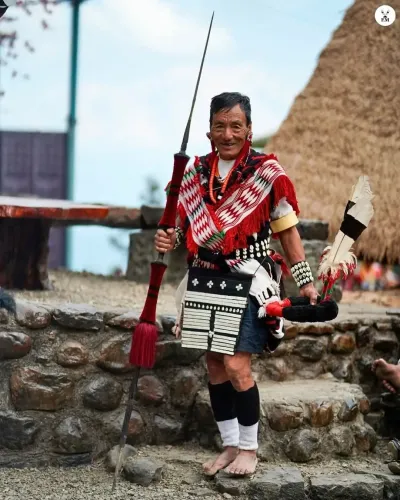
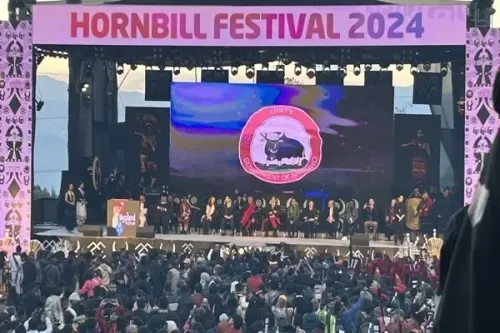
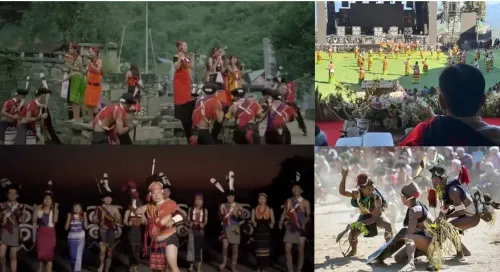
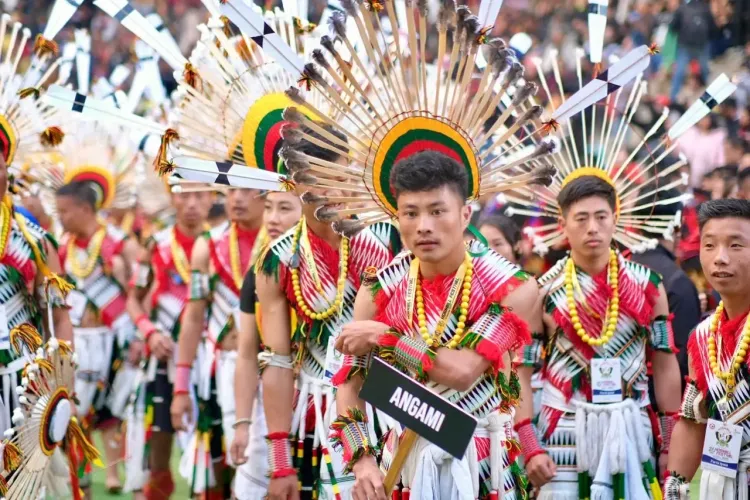
Kohima, Dec 2 (NationPress) A splendid array of Naga traditional dances and cultural displays brought life to the second day of the Hornbill Festival on Tuesday, hosted at the Naga Heritage Village in Kisama, located approximately 12 km south of Kohima, the state capital.
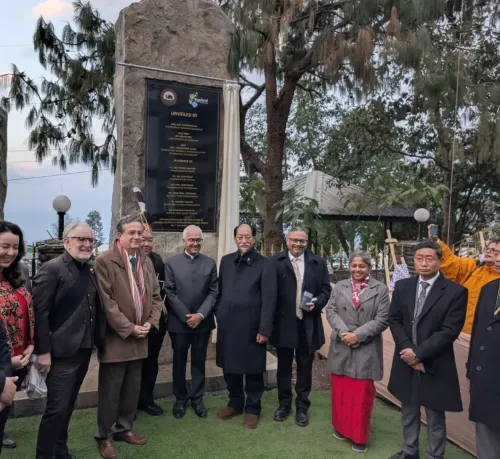
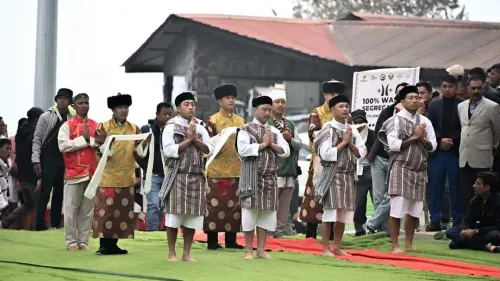
The cultural extravaganza, presented in a traditional format, featured esteemed hosts including Deputy Chief Minister T.R. Zeliang and co-host G. Ikuto Zhimomi, Advisor for the Land Resources Department.
Among the special attendees were notable figures such as Ambassador Thierry Mathou from France and Chief Justice Ashutosh Kumar from the Gauhati High Court, alongside various dignitaries. The day was marked by an impressive showcase of Naga traditional dances and cultural expressions.
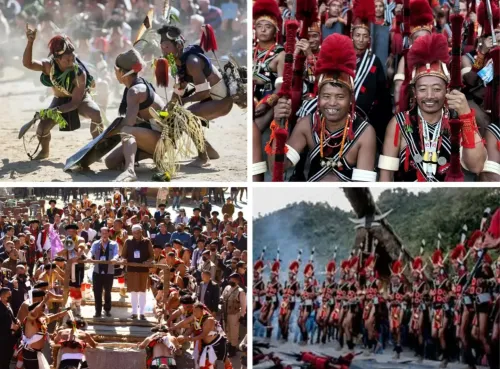
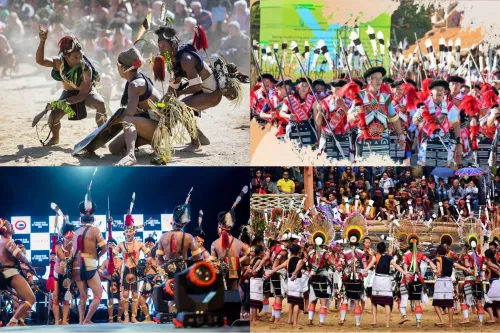
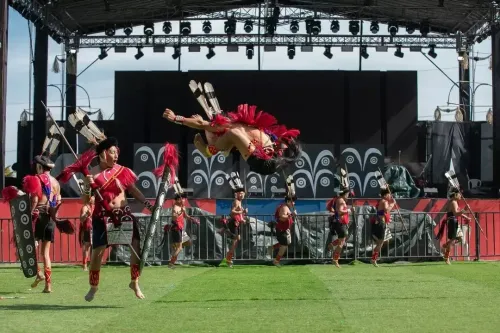
The Angami community's troupe performed Phita, a folk dance typically showcased during festive times, while the Ao community offered Nokinketer, a warrior dance representing valor and strength.
The Chakhesang troupe presented Lika/Thucuikhu, a horn-blowing performance meant for celebrations, followed by Khridikhuhi, a Mass Curse Day observance emphasizing peace and harmony within the village.
Not to be missed, the Chang troupe performed Bu Sen Oneed, and the Garo troupe exhibited the Wangala Dance, traditionally associated with post-harvest thanksgiving.
The Kachari troupe demonstrated Bima Thanai, an indigenous game symbolizing familial roles, while the Konyak Naga troupe sang Shim Shut Boa, reflecting the challenges faced by women in preparation for marriage.
Other communities, including Kuki, Lotha, Zeliang, Pochury, Rengma, Sangtam, Sumi, Tikhir, Yimkhiung, and Phom, presented various traditional performances.
The Zeliang troupe concluded the day's festivities with Matha-Bu Lin, a performance celebrated during the Chaga Gadi festival, urging the youth to showcase their vibrant culture to visitors.
At the festival’s opening ceremony on Monday night, Chief Minister Neiphiu Rio highlighted that the Hornbill Festival embodies the Naga way of life, representing unity, heritage, and respect for ancestors.
With over 86% of Nagaland's two-million population belonging to tribal communities (as per the 2011 Census), the state boasts 17 major tribes and numerous sub-tribes, each rich in cultural heritage, traditional dances, music, attire, and customs.
Point of View
I observe that the Hornbill Festival serves as a significant cultural showcase for Nagaland, emphasizing the importance of preserving and celebrating tribal heritage. With such a diverse representation from various communities, the festival not only promotes cultural unity but also fosters tourism and local pride.
NationPress
24 Sept 2026
Frequently Asked Questions
What is the Hornbill Festival?
The Hornbill Festival is an annual cultural festival held in Nagaland, showcasing the traditions, dances, and heritage of the Naga tribes.
When does the Hornbill Festival take place?
The festival typically takes place from December 1 to December 10 each year.
Where is the Hornbill Festival held?
The festival is primarily held at the Naga Heritage Village in Kisama, located near Kohima.
What can visitors expect at the Hornbill Festival?
Visitors can expect a vibrant display of traditional dances, music, crafts, and food, representing the rich cultural diversity of Nagaland.
Who hosts the Hornbill Festival?
The festival is hosted by the Government of Nagaland, with participation from various tribal communities.