What Did Day 5 of the Hornbill Festival Reveal About the Rich Traditions of 18 Naga Communities?
Synopsis
Discover the vibrant traditions of Nagaland showcased on Day 5 of the Hornbill Festival! With performances from 18 unique Naga communities, this event highlighted the rich cultural heritage and communal spirit of the region. Join us as we explore the mesmerizing dances, rituals, and the unifying essence of the Naga tribes.
Key Takeaways
Day 5 of the Hornbill Festival celebrated the cultural richness of 18 Naga communities.
The festival is a significant platform for showcasing Naga traditions .
Each tribe presented unique performances, highlighting their cultural identity .
The event fosters unity and communal spirit among the tribes.
More than 86% of Nagaland's population belongs to tribal communities.
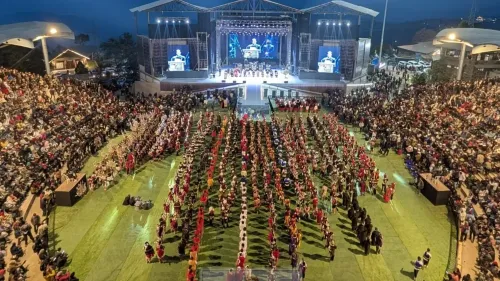
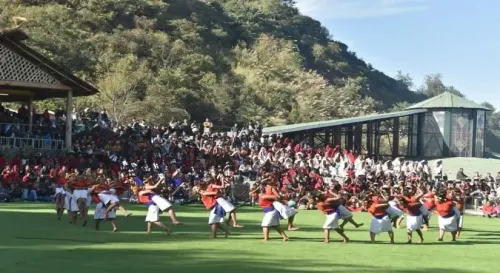
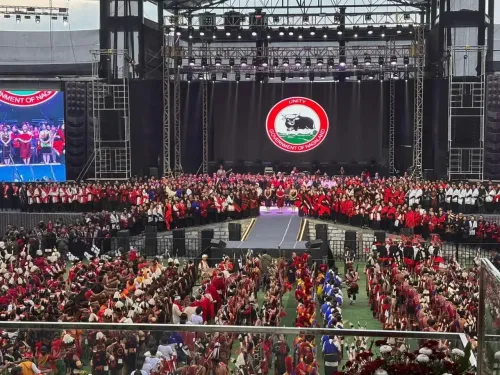
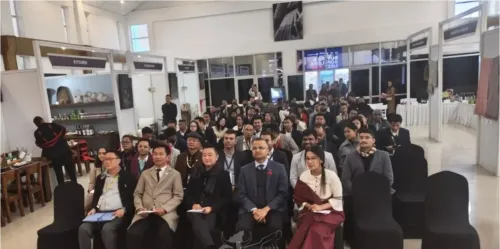
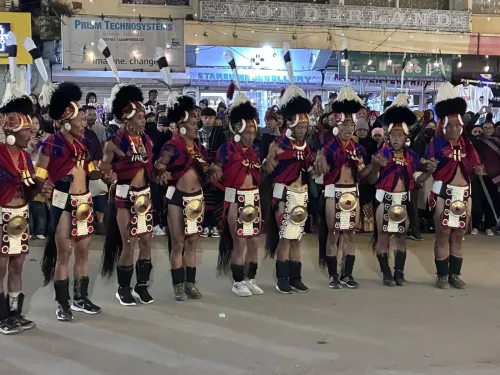
Kohima, Dec 5 (NationPress) The fifth day of the 26th edition of the Hornbill Festival on Friday showcased a colorful display of traditional performances from 18 Naga communities at the Naga Heritage Village in Kisama, near Kohima. The event was hosted by Imkongmar, the Advisor for Minority Affairs and Sericulture, and attended by notable guests including Lieutenant General Vikas Lakhera, Director General of Assam Rifles, and Suneel Sachdeva, Director of the National Food Security Act and Basic Plan from the Union Ministry of Food and Public Distribution.
This day of the festival emphasized the cultural richness and heritage of Nagaland, captivating visitors with the traditions, history, and communal essence of its tribes.
The Khiamniungan Cultural Troupe performed Khaozaosie Hok-Ah-Tsui, a festival in January that celebrates joy, food sharing, and rice beer, along with songs honoring the village's prosperity and the valor of its warriors.
The Chang Cultural Troupe showcased a folk dance, followed by the Kachari Cultural Troupe's presentation of Bwisagu, which celebrates the Mech Kachari New Year in mid-April. Their performances were filled with youthful energy, festive beats, and harmonious sounds from instruments like the kham, sifung, serja, and jotha.
The Chakhesang Cultural Troupe's performance of Kharuso Su depicted the construction of a village gate during the establishment of new settlements, while Khuswo Li was associated with the rice transplantation season from mid-May to late June.
The Angami Cultural Troupe exhibited Omapfu, a male agility game involving a smooth round log traditionally used for rice pounding, along with Miro Teshu, a demonstration of traditional fire-starting using wooden friction and bamboo fiber.
The Garo Cultural Troupe performed Dim Dim Chong, a folk dance celebrated after the harvest season among the Garos.
The Ao Cultural Troupe presented Nuknurar Yar, the traditional Admirer's Dance, previously a highlight for young couples expressing affection through graceful movements, songs, and playful interactions.
Cultural troupes from the Yimkhiung, Zeliang, Tikhir, Konyak, Sangtam, Phom, Pochury, Rengma, Lotha, and Kuki communities also showcased unique traditional performances.
The Sumi cultural troupe presented Thipugho Gha/Tsusughu Kumsu, a ritual to invoke the rain spirit during periods of drought. Led by the 'Tummi' (seer) or 'Awou' (priest), the ritual involves tapping riverbed rocks to awaken the rain spirit, with sacred rites performed at Thipugho stream and, if necessary, at the esteemed site Lummi Kichhi for divine intervention.
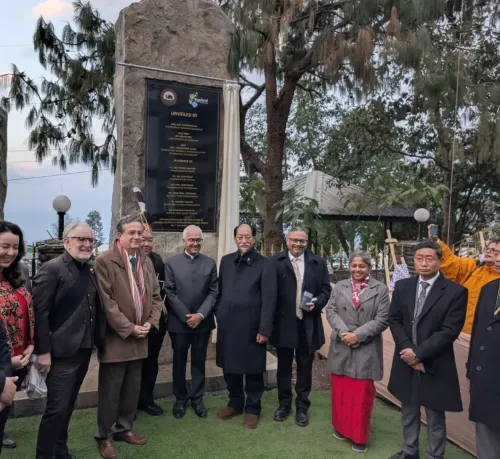
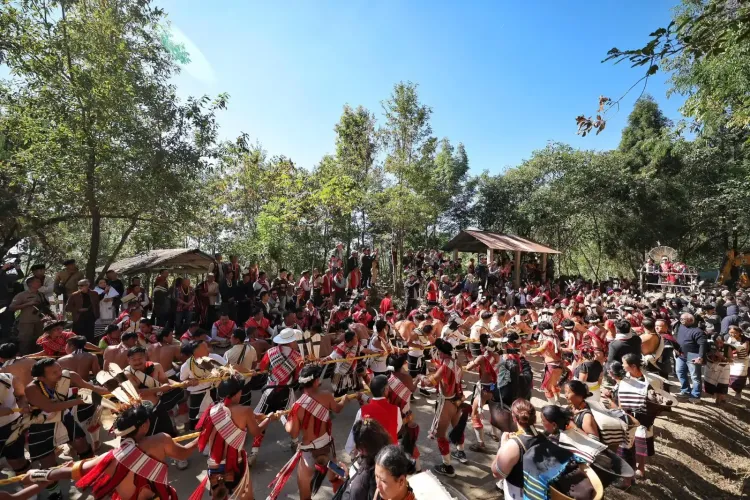
As part of the ongoing 26th Hornbill Festival, a traditional Stone Pulling ceremony was conducted on Friday by Nagaland Chief Minister Neiphiu Rio in collaboration with the Department of Tourism at Touphema Village near Kohima. This significant event featured Union Minister of Communications and Development of North Eastern Region (DONER), Jyotiraditya Scindia, as the chief guest.
The Chief Minister, who is also the host of the 10-day festival from December 1 to 10, stated that the Hornbill Festival is an expression of the Nagas' way of life, symbolizing unity and oneness among the Nagas. He emphasized its representation of the rich legacy, living traditions, and respect for ancestors.
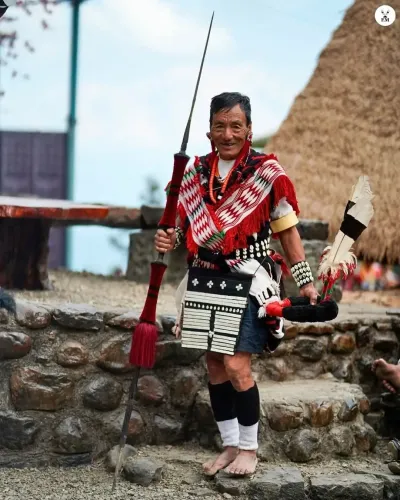
Approximately 86 percent of the state's two-million population (according to the 2011 Census) belongs to tribal communities. Nagaland is home to 17 major tribes and numerous sub-tribes, each with its own vibrant cultural heritage, traditional dances, music, attire, and customs.
This year's Hornbill Festival features six partner countries—Austria, France, Ireland, Malta, Switzerland, and the United Kingdom—while Arunachal Pradesh serves as the state partner.
Point of View
I see the Hornbill Festival as a profound representation of Nagaland's cultural and communal values. It serves not only as a platform for showcasing traditional practices but also as a reminder of the importance of preserving our diverse heritages. This festival is a celebration of identity and unity, relevant not just to the Nagas but to the entire nation.
NationPress
24 Sept 2026
Frequently Asked Questions
What is the Hornbill Festival?
The Hornbill Festival is an annual cultural festival in Nagaland, showcasing the diverse traditions, music, dance, and rituals of the various Naga tribes.
When does the Hornbill Festival take place?
The Hornbill Festival typically takes place from December 1 to December 10 each year.
Where is the Hornbill Festival held?
The festival is held at the Naga Heritage Village in Kisama, near Kohima, Nagaland.
Which tribes participate in the Hornbill Festival?
The festival features performances from various Naga tribes, including but not limited to the Ao, Angami, Chakhesang, Chang, and Sumi communities.
What can visitors expect at the Hornbill Festival?
Visitors can expect to see traditional dances, cultural displays, folk songs, local cuisines, and various rituals that highlight the rich heritage of the Naga people.