What Vibrant Tribal Performances Unfolded on Day 8 of the Hornbill Festival?
Synopsis
The Hornbill Festival’s eighth day dazzled attendees with a spectacular array of tribal performances, showcasing the vibrant culture of Nagaland's diverse tribes. From traditional dances to folk songs, this celebration epitomizes the state’s rich heritage and community spirit. Join us in exploring this cultural extravaganza!
Key Takeaways
Vibrant celebrations showcasing Nagaland’s tribal culture.
Participation from multiple tribes , each with unique performances.
Highlighting the importance of cultural heritage in fostering unity.
Engagement with international partners for cultural exchange .
Annual event promoting tourism and regional cooperation .
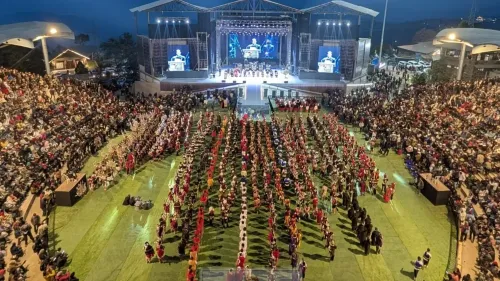
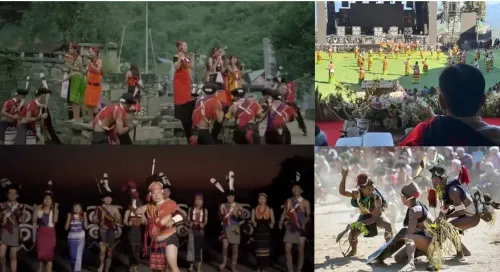
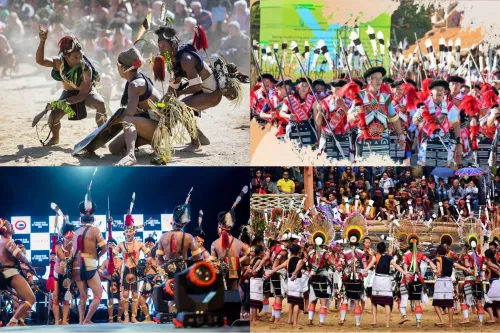
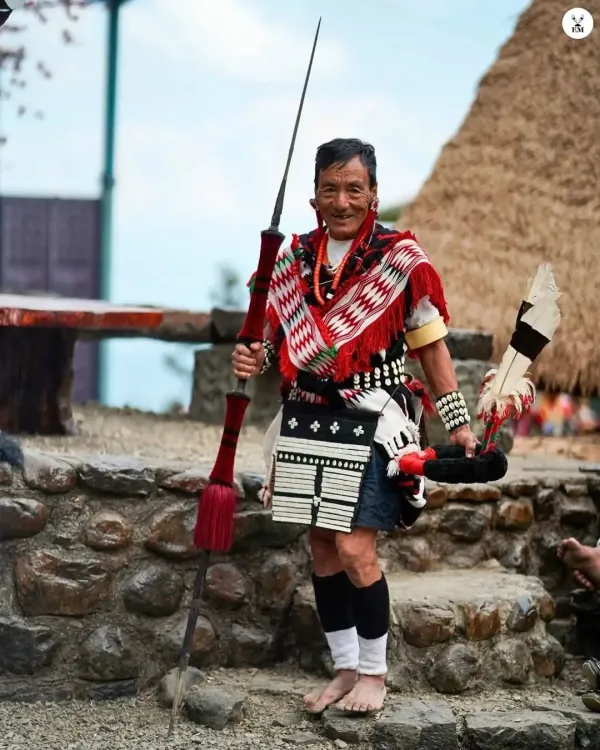
Kohima, Dec 8 (NationPress) The eighth day of the 26th Edition of the Hornbill Festival at the Naga Heritage Village in Kisama on Monday showcased a dynamic array of cultural presentations, emphasizing the rich and varied heritage of Nagaland’s tribes.
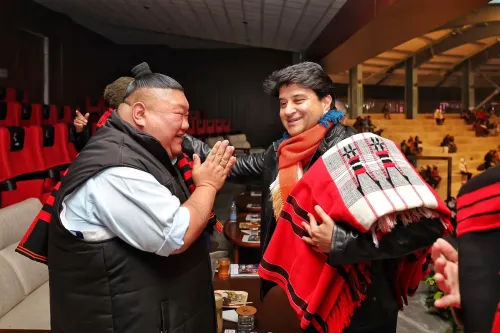
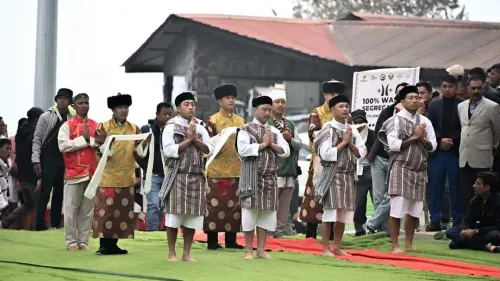
Continuing the traditional approach, Monday’s event was led by Rural Development Minister Metsubo Jamir and co-hosted by the Advisor for Tribal Affairs and Election, H. Tovihoto Ayemi. The day was filled with an extensive lineup of cultural displays that highlighted the diverse heritage of Nagaland’s tribal communities.
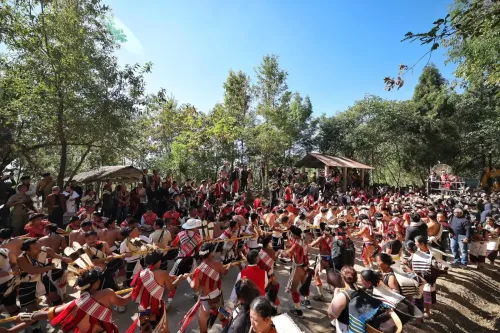
Among the performances were traditional dances, folk songs, indigenous games, and ritual exhibits. Over 86 percent of Nagaland’s two-million population (2011 Census) identifies with tribal communities. The state comprises 17 major tribes and numerous sub-tribes, each possessing its own rich cultural legacy, including traditional dances, music, attire, and customs.
On Monday, the Lotha troupe presented Chumpo Shar, a celebratory dance marking the inauguration of a new Morung, while the Chakhesang troupe performed Pheta, a post-harvest folk dance symbolizing valor and celebration. The Konyak troupe delivered Ya-ai Boa, a traditional love song representing youth gatherings and the transition into adulthood. The Yimkhiung Cultural Troupe presented the sang lolong pe (Traditional Go-Cart), a game typically played by children and youths that fosters connection, friendship, and both physical and mental fitness.
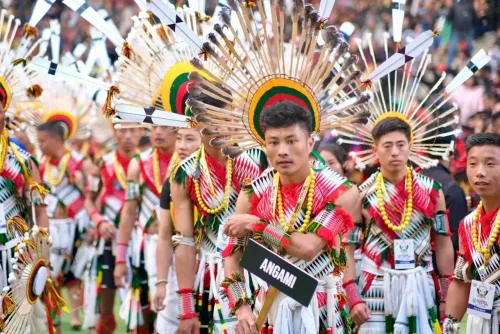
The Kuki troupe displayed Vakol Lam, inspired by the synchronized flight of the Vakol bird. Cultural troupes from Zeliang, Garo, Chang, Kachari, Angami, Ao, Tikhir, Sumi, Pochury, Sangtam, and Phom communities also performed traditional acts.
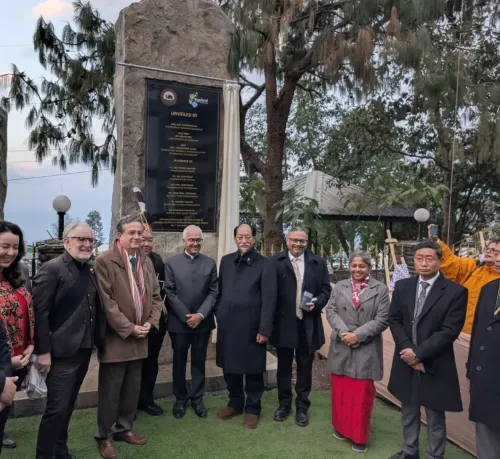
Monday’s performances exemplified the cultural vibrancy of Nagaland, eliciting enthusiastic responses from visitors and participants at the Hornbill Festival 2025. The event was graced by Dr. Pemmasani Chandra Sekhar, Minister of State for Communication and Rural Development, along with Special Guest Chanchal Kumar, Secretary, Ministry of DoNER.
The annual Hornbill Festival is also being celebrated in various districts of Nagaland. This year’s 26th edition, running from December 1-10, features six partner countries: Austria, France, Ireland, Malta, Switzerland, and the United Kingdom, promoting regional cooperation. Arunachal Pradesh serves as the state partner.
Point of View
I believe the Hornbill Festival not only celebrates the rich cultural diversity of Nagaland but also fosters a sense of unity among various tribes. This vibrant showcase provides an opportunity for both locals and visitors to appreciate the intricate tapestry of traditions that define this remarkable region.
NationPress
25 Sept 2026
Frequently Asked Questions
What is the Hornbill Festival?
The Hornbill Festival is an annual cultural festival held in Nagaland, India, celebrating the state's rich tribal heritage through performances, crafts, and traditional cuisine.
When does the Hornbill Festival take place?
The Hornbill Festival is typically held from December 1 to December 10 each year at the Naga Heritage Village in Kisama.
What tribes participate in the Hornbill Festival?
Several tribes participate in the Hornbill Festival, including the Lotha, Chakhesang, Konyak, Kuki, and many others, showcasing their unique cultural performances.
Where is the Hornbill Festival located?
The Hornbill Festival takes place at the Naga Heritage Village in Kisama, near Kohima, Nagaland, India.
Is the Hornbill Festival open to tourists?
Yes, the Hornbill Festival welcomes tourists from around the world to experience the cultural richness of Nagaland.