Giriraj Singh Joins Har Ghar Tiranga, Urges Flag Respect
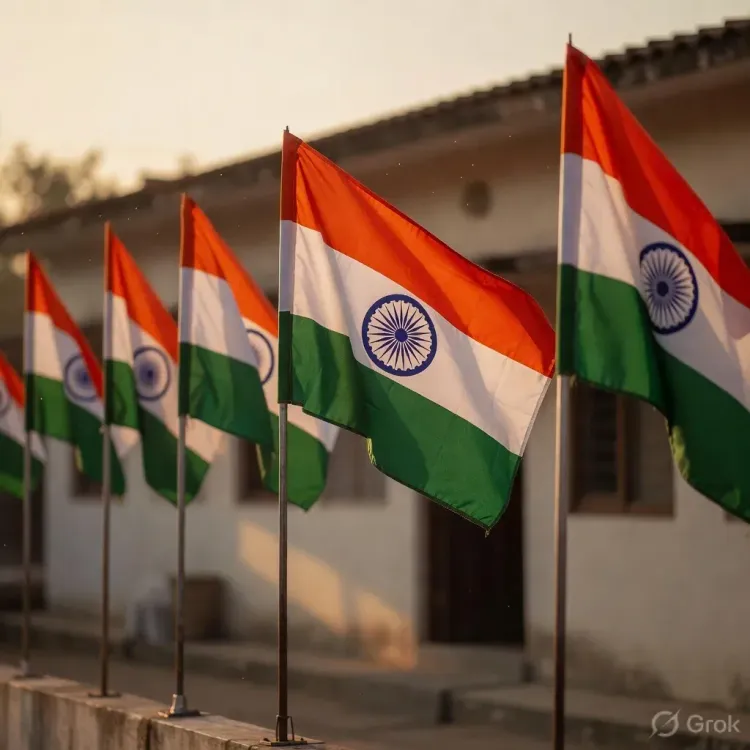
Synopsis
Union Textiles Minister Giriraj Singh joined the Har Ghar Tiranga campaign ahead of Independence Day, calling on every Indian to honour the Tricolour by ensuring it never touches the ground or remains in a torn, tattered state — invoking the Flag Code's spirit alongside patriotic duty.
Key Takeaways
Giriraj Singh joined the Har Ghar Tiranga campaign on 11 August 2026 , four days before Independence Day.
He called the Tricolour a symbol of India's identity, self-respect, and national reverence.
His appeal specifically urged citizens to ensure the flag never touches the ground or remains torn and tattered.
The Har Ghar Tiranga campaign was launched in 2022 as part of Azadi Ka Amrit Mahotsav marking 75 years of independence.
The Flag Code of India provides the legal framework governing how the national flag must be displayed and retired.
Four days before Independence Day, Union Textiles Minister Giriraj Singh used his platform to do something deceptively simple — remind every Indian that hoisting the Tricolour is only half the duty. The other half is keeping it honoured.
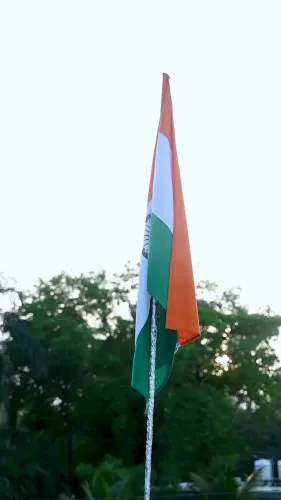
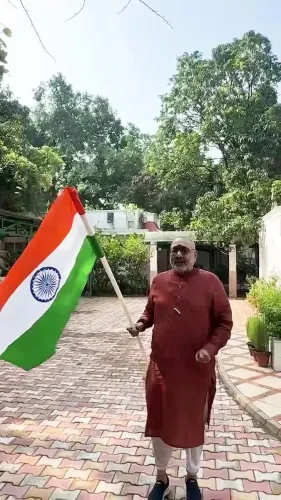
Posting on Tuesday, 11 August 2026, Singh wrote: 'Tiranga hamari pehchaan, swabhimaan aur desh ke prati samman ka prateek hai' — 'The Tricolour is the symbol of our identity, self-respect, and reverence for the nation.' Joining the Har Ghar Tiranga campaign, he called on citizens to take a pledge: that the national flag must always fly with dignity, never touch the ground, and never be left torn or tattered. 'The Tricolour is our pride,' he wrote. 'Honouring it is the duty of every Indian.'
What Har Ghar Tiranga asks of citizens
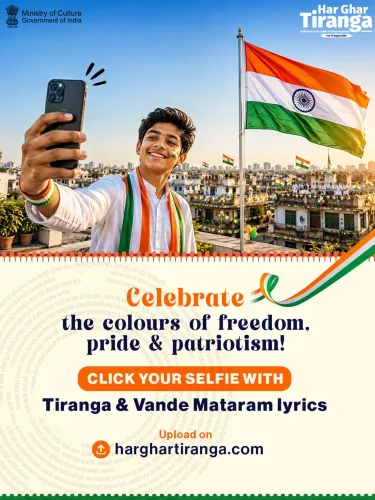
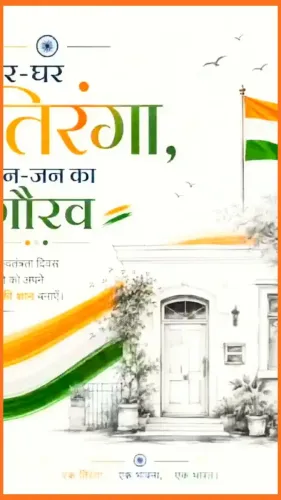
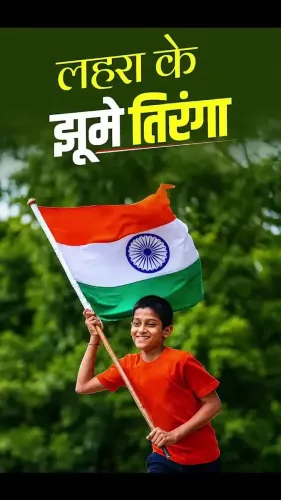
The Har Ghar Tiranga campaign was born in 2022 as the centrepiece of Azadi Ka Amrit Mahotsav — the nationwide celebration marking 75 years of India's independence. Its ask was direct: display the Indian national flag at your home during the 13–15 August window. Tens of millions of households responded, making it one of the largest mass-participation patriotic drives in the country's post-independence history.
Singh's post sharpens that ask. Displaying the flag is visible. Maintaining its dignity — ensuring it does not fade, fray, or fall — is the quieter, ongoing commitment the campaign now emphasises as it enters its fifth year.
The Flag Code and the weight behind the words
Singh's appeal is not merely ceremonial. The Flag Code of India lays down precise rules on how the national flag may be displayed, stored, and disposed of — rules that govern everything from the material used to the correct way to retire a damaged flag. A torn or soiled Tricolour left on display is not just an aesthetic failure; it is a legal and constitutional concern. The minister's call to ensure the flag 'never lies on the ground or remains in a torn and tattered form' maps directly onto those provisions.
Government messaging on flag etiquette has historically intensified in the fortnight around Independence Day on 15 August and Republic Day on 26 January — the two moments when the Tricolour is most visible across the country. Singh's post fits squarely within that pattern, but its specificity — the ground, the torn edges, the duty — gives it an instructional edge beyond routine seasonal patriotism.
The Tricolour is already everywhere this week. The question Singh is raising is whether it is everywhere with the care it deserves.
Point of View
The messaging matures the campaign beyond a one-time gesture into a year-round civic norm. It also subtly invokes the legal weight of the Flag Code, lending the appeal institutional authority rather than mere sentiment. As the campaign enters its fifth year, this pivot toward etiquette and duty signals an effort to deepen public engagement rather than simply repeat the original call to hoist the flag.
NationPress
25 Sept 2026
Frequently Asked Questions
What is the Har Ghar Tiranga campaign?
Har Ghar Tiranga is a government campaign launched in 2022 as part of Azadi Ka Amrit Mahotsav, encouraging Indian citizens to display the national flag at their homes, particularly during the 13–15 August Independence Day window.
What did Giriraj Singh say about the Tricolour?
Singh called the Tricolour a symbol of India's identity, self-respect, and reverence for the nation, and urged citizens to pledge that the flag always flies with dignity — never touching the ground or remaining in a torn or tattered condition.
What does the Flag Code of India say about damaged flags?
The Flag Code of India specifies how the national flag must be displayed, stored, and retired. A damaged or soiled flag must not be displayed; it must be disposed of privately and with dignity, typically by burning.
When is Independence Day 2026?
India's Independence Day falls on 15 August 2026, a Saturday. Singh's post was made on 11 August, four days before the national holiday.
Who is Giriraj Singh?
Giriraj Singh is the Union Minister of Textiles in the Government of India, a senior BJP leader, and a Lok Sabha MP representing Begusarai constituency in Bihar.