Godavari-Cauvery interlinking can end southern drought: Chandrababu Naidu
Synopsis
Chandrababu Naidu used the launch of a ₹30,136 crore water mission in Proddatur to float a bold vision: link the Godavari and Cauvery rivers to make the entire southern peninsula drought-free. With 2,000 TMC of water lost to the sea each year and Rayalaseema chronically parched, the political and engineering stakes behind this pitch could not be higher.
Key Takeaways
Andhra Pradesh CM Chandrababu Naidu said Godavari-Cauvery interlinking can free southern states from drought, speaking in Proddatur on 5 October 2026 .
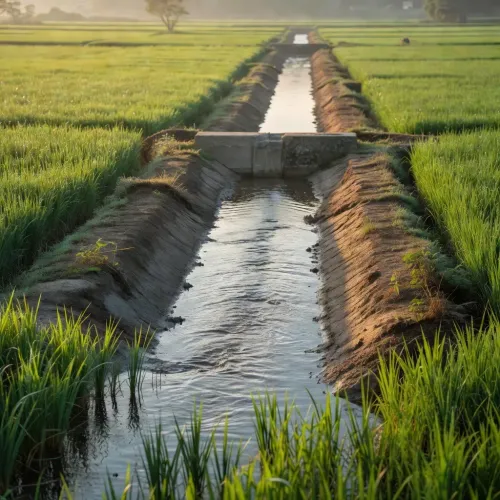
He flagged that 2,000 TMC of water flows into the sea annually even during droughts; diverting 200 TMC could transform Rayalaseema .
Naidu launched Jal Jeevan Mission 2.0 – Amarajeevi Jaladhara with an outlay of ₹30,136 crore , targeting 90 lakh households and 3.30 crore people .
He vowed to complete the Polavaram project before Godavari Pushkaram , with PM Modi set to dedicate it to the nation.
36 irrigation projects worth ₹35,000 crore are planned over the next three years.
Naidu accused the previous YSRCP government of securing only ₹2,600 crore from the Centre under Jal Jeevan Mission, against ₹1 lakh crore for Uttar Pradesh.
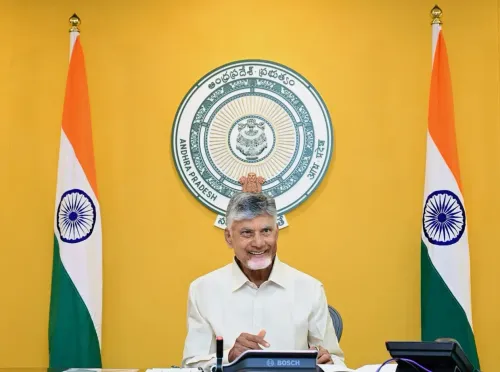
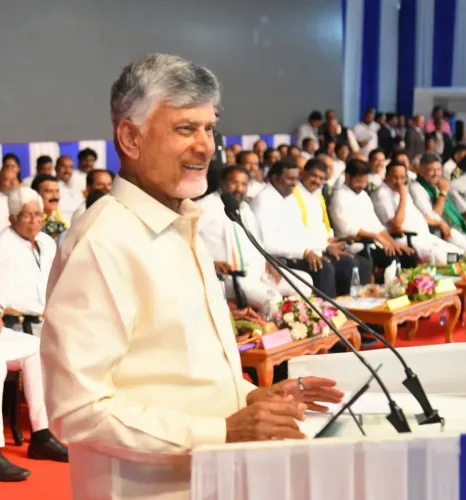
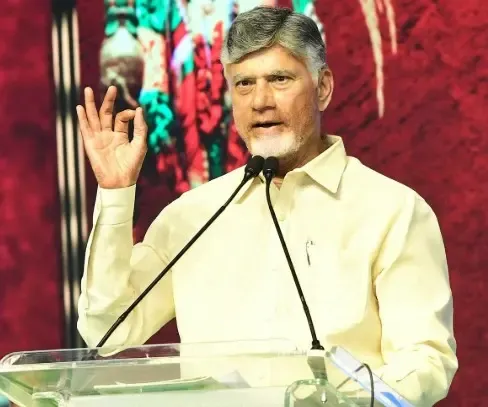
Andhra Pradesh Chief Minister N. Chandrababu Naidu on Monday, 5 October 2026, declared that interlinking the Godavari and Cauvery rivers could permanently free southern states from recurring drought, speaking at the launch of the 'Jal Jeevan Mission 2.0 – Amarajeevi Jaladhara' programme in Proddatur, Kadapa district. Naidu lamented that as much as 2,000 TMC of water drains into the sea even during drought years, calling it an avoidable national loss.
The Water Interlinking Vision
Naidu argued that if even 200 TMC of Godavari floodwater were harnessed, the Rayalaseema region — historically one of the most drought-prone in peninsular India — could be transformed into a landscape of abundant greenery and agricultural prosperity. He credited his government with already completing the Godavari-Krishna river interlinking, presenting it as a proof of concept for the more ambitious Godavari-Cauvery proposal. He also vowed to complete the long-delayed Polavaram project before the upcoming Godavari Pushkaram, with Prime Minister Narendra Modi set to dedicate it to the nation.
Jal Jeevan Mission 2.0 Launch
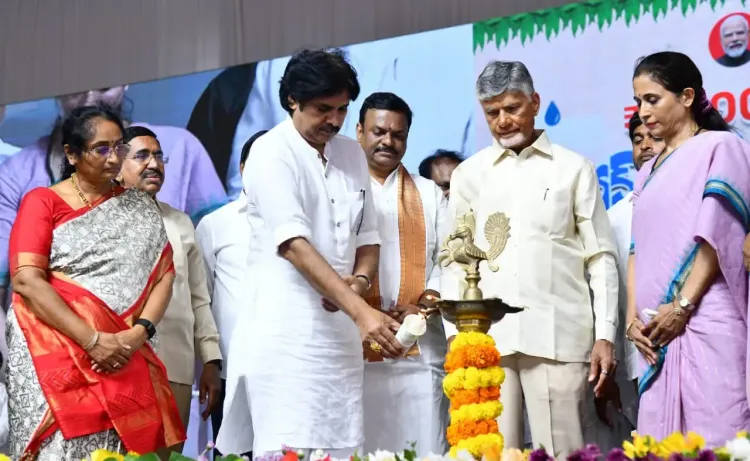
The Chief Minister, alongside Deputy Chief Minister Pawan Kalyan and state Bharatiya Janata Party (BJP) president PVN Madhav, laid the foundation for the Jal Jeevan Mission and Amarajeevi Jaladhara programmes, carrying a combined outlay of ₹30,136 crore. The initiative is designed to deliver piped tap water to 90 lakh households, covering 48,000 rural areas and an estimated 3.30 crore people across Andhra Pradesh. Separately, Naidu reiterated that 36 irrigation projects worth ₹35,000 crore will be launched over the next three years, with a completion schedule already released.
Attack on the Previous Government
Naidu launched a pointed attack on the YSR Congress Party (YSRCP), accusing it of squandering Andhra Pradesh's share of central funds under the Jal Jeevan Mission. He noted that states such as Uttar Pradesh received ₹1 lakh crore, Madhya Pradesh secured ₹83,000 crore, and Kerala drew ₹85,000 crore from the Centre, while Andhra Pradesh managed only ₹2,600 crore under the previous dispensation. 'Rural communities were left in tears due to the destructive policies of the previous regime,' Naidu said, referring to the YSRCP tenure, which he labelled the 'Axe Party.' He alleged that villages were left without roads, streetlights, or water connectivity under that government.
Broader Development Push
Naidu said the coalition government had spent 28 months laying what he described as strong foundations for the state's reconstruction. In just the last seven days, he said, nine separate development programmes had been launched for villages and towns. Under the 'Palle Panduga' initiative, works worth ₹11,085 crore have been undertaken for village roads, drains, and streetlights. Housing title deeds (pattas) worth ₹52,000 crore have been distributed across the state, including in Vijayawada, Visakhapatnam, and Mangalagiri. A 'Global Horticulture Hub' project worth ₹1 lakh crore has been initiated to reshape the Rayalaseema region's economic trajectory, and the government has set a target of constructing 19 lakh houses by 2029.
What Comes Next
The Godavari-Cauvery interlinking proposal, if formalised, would require inter-state consensus and clearances from multiple central bodies — a process that has historically proved contentious among river-sharing states. The immediate deliverables to watch are the Polavaram project's completion timeline, the rollout pace of the Jal Jeevan Mission 2.0 tap connections, and the launch of the 36 irrigation projects over the next three years. The scale of the spending announcements signals that water security and rural infrastructure will remain the centrepiece of Naidu's political messaging ahead of the next electoral cycle.
Point of View
And Tamil Nadu's sensitivity over Cauvery flows remains a live fault line. The ₹30,136 crore Jal Jeevan Mission launch is the more immediately verifiable commitment, yet the YSRCP-era funding gap Naidu cites — ₹2,600 crore versus over ₹1 lakh crore for Uttar Pradesh — deserves scrutiny: allocation formulas under JJM are population- and coverage-linked, and the framing of that gap as purely political mismanagement elides structural factors. With 19 lakh houses, 36 irrigation projects, and a ₹1 lakh crore horticulture hub all announced in quick succession, the coalition government is piling up headline numbers faster than any monitoring framework can track — accountability architecture will matter as much as ambition.
NationPress
5 Oct 2026
Frequently Asked Questions
What is the Godavari-Cauvery interlinking proposal by Chandrababu Naidu?
Andhra Pradesh Chief Minister Chandrababu Naidu has proposed linking the Godavari and Cauvery rivers to provide a reliable water supply to drought-prone southern states. He argued that 2,000 TMC of water currently flows into the sea each year, and diverting even 200 TMC of Godavari floodwater could transform the Rayalaseema region and benefit the broader south.
What is the Jal Jeevan Mission 2.0 – Amarajeevi Jaladhara programme launched in Andhra Pradesh?
It is a state-level water connectivity initiative launched on 5 October 2026 in Proddatur, Kadapa district, with an outlay of ₹30,136 crore. The programme aims to provide piped tap water to 90 lakh households, 48,000 rural areas, and 3.30 crore people across Andhra Pradesh.
What is the current status of the Polavaram project?
Chief Minister Chandrababu Naidu has vowed to complete the Polavaram project before the Godavari Pushkaram festival, with Prime Minister Narendra Modi set to dedicate it to the nation. The project, a major multi-purpose dam on the Godavari river, has faced repeated delays over several years.
Why did Naidu criticise the YSRCP over Jal Jeevan Mission funds?
Naidu alleged that the previous YSRCP government secured only ₹2,600 crore from the Centre under the Jal Jeevan Mission, while states such as Uttar Pradesh received ₹1 lakh crore, Madhya Pradesh ₹83,000 crore, and Kerala ₹85,000 crore. He attributed this shortfall to negligence by the previous administration, which he said left villages without roads, water, or streetlights.
What other development projects did Naidu announce alongside the water mission?
Naidu announced 36 irrigation projects worth ₹35,000 crore over the next three years, a ₹1 lakh crore Global Horticulture Hub for Rayalaseema, and a plan to construct 19 lakh houses by 2029. Under the Palle Panduga initiative, works worth ₹11,085 crore for village infrastructure are already under way, and housing title deeds worth ₹52,000 crore have been distributed across the state.