Narmada MoU: Gujarat and 3 states approve pact to resolve river disputes
Synopsis
Four states sharing the Narmada — Gujarat, Madhya Pradesh, Maharashtra, and Rajasthan — have formally approved an MoU to resolve long-pending project disputes, at an RCNCA meeting chaired by Union Jal Shakti Minister C R Paatil. The move signals renewed political will to settle one of India's most complex inter-state water disputes through cooperative dialogue rather than litigation.
Key Takeaways
Gujarat , Madhya Pradesh , Maharashtra , and Rajasthan formally approved a Narmada project MoU on 27 October 2026 .
Approval was made at the 15th RCNCA meeting in New Delhi , chaired by Union Jal Shakti Minister C R Paatil .
The MoU was originally reached at the committee's July 2026 meeting; Tuesday's session granted it formal approval.
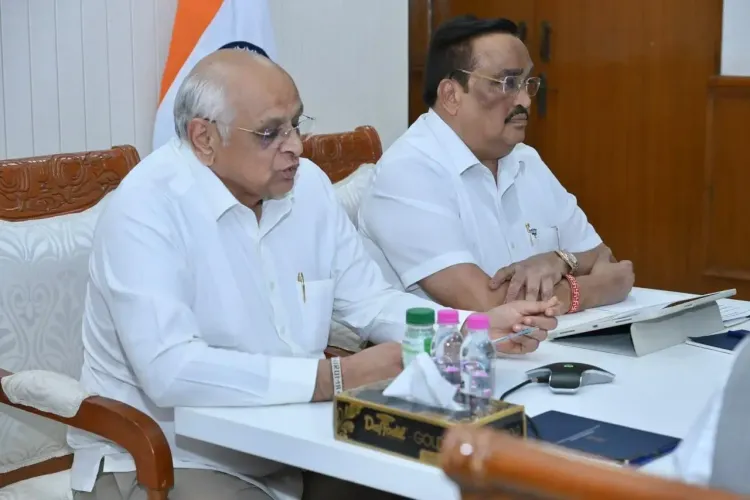
Gujarat CM Bhupendra Patel attended in person; chief ministers of the other three states joined virtually.
Further dialogue will be needed to resolve all outstanding issues; the MoU provides a structured framework for those talks.
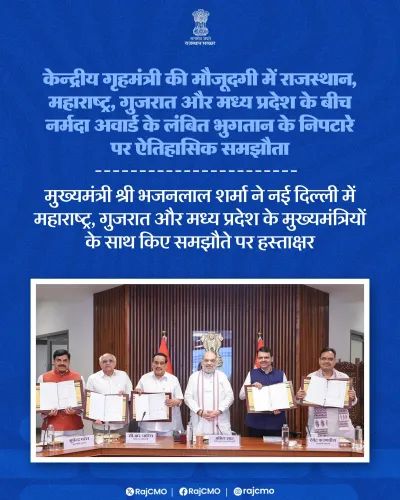
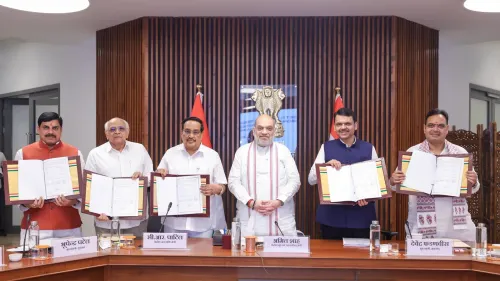
Gujarat and three other states — Madhya Pradesh, Maharashtra, and Rajasthan — have approved a memorandum of agreement (MoU) aimed at resolving long-pending disputes over the Narmada project, marking a significant step in inter-state water-sharing coordination. The approval came at the 15th meeting of the Review Committee of the Narmada Control Authority (RCNCA), held in New Delhi on 27 October 2026.
Key Developments at the RCNCA Meeting
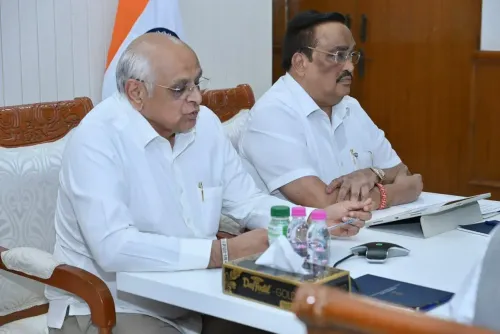
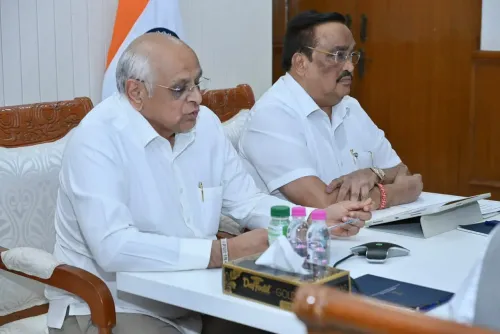
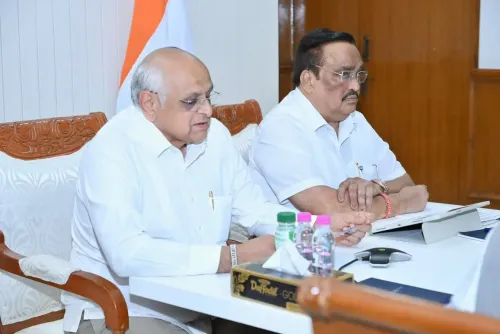
The meeting was chaired by Union Jal Shakti Minister C R Paatil. Gujarat Chief Minister Bhupendra Patel attended in person, while the chief ministers of Madhya Pradesh, Maharashtra, and Rajasthan joined through video conferencing. Gujarat Chief Secretary M K Das, Additional Principal Secretary to the Chief Minister Dr Vikrant Pandey, and other senior officials also participated.
The MoU had originally been reached at the committee's previous meeting in July 2026. Its formal approval at this session is expected to lay the groundwork for structured discussions on outstanding matters concerning the project.
What the Agreement Seeks to Achieve
The memorandum provides a basis for the Centre and the four participating states to adopt a collaborative approach toward resolving issues that have remained unresolved for years. The meeting also discussed the need to address pending matters through dialogue, mutual understanding, and cooperation — a framework that reflects the Centre's broader emphasis on cooperative federalism.
Notably, Union Home and Cooperation Minister Amit Shah was cited in the Gujarat government's statement as a guiding figure for inter-state cooperation efforts. The meeting underscored that while the MoU is a constructive step, further rounds of discussion will be necessary to fully resolve all outstanding concerns related to the project.
Why the Narmada Matters
The Narmada river is a critical water source for all four states involved, supporting agriculture, drinking water supply, and regional development. The river's waters are distributed through a complex sharing arrangement governed by the Narmada Water Disputes Tribunal award of 1979, but implementation disputes have persisted across successive governments.
Inter-state coordination on the Narmada has historically been contentious, with disagreements over dam heights, water release schedules, and rehabilitation of displaced communities. The approval of this MoU signals renewed political will to break the deadlock through institutional channels rather than adversarial litigation.
What Happens Next
With the MoU now formally approved, the Centre and the four states are expected to begin structured dialogue on the specific outstanding issues. Officials indicated that subsequent meetings of the RCNCA will build on this framework. Effective resolution, however, will depend on the pace at which technical and political differences can be narrowed through the agreed cooperative mechanism.
Point of View
Not a resolution — the Narmada's disputes are layered with technical complexity and historical grievance that no single agreement can dissolve overnight. What is notable is that all four states and the Centre have chosen the institutional route over adversarial escalation, which has been the default mode in past disagreements. The real test will come when the dialogue table confronts the harder questions: dam operations, downstream water flows, and rehabilitation shortfalls. Cooperative federalism as a political frame is only as durable as the bureaucratic follow-through that underpins it.
NationPress
27 Oct 2026
Frequently Asked Questions
What is the Narmada MoU approved by the four states?
It is a memorandum of agreement reached among Gujarat, Madhya Pradesh, Maharashtra, and Rajasthan to resolve long-pending issues related to the Narmada project. Formally approved on 27 October 2026 at the 15th RCNCA meeting in New Delhi, the MoU provides a structured framework for ongoing dialogue between the Centre and the four states.
Who chaired the 15th RCNCA meeting and who attended?
Union Jal Shakti Minister C R Paatil chaired the meeting. Gujarat Chief Minister Bhupendra Patel attended in person, while the chief ministers of Madhya Pradesh, Maharashtra, and Rajasthan joined via video conferencing. Senior Gujarat officials including Chief Secretary M K Das also participated.
What are the long-pending Narmada issues this MoU aims to address?
The disputes relate to water sharing, dam operations, and project-related concerns among the four riparian states. They stem from the 1979 Narmada Water Disputes Tribunal award, implementation of which has been contested across successive governments, involving dam heights, release schedules, and rehabilitation of displaced communities.
Does this MoU fully resolve the Narmada dispute?
No. The MoU provides a basis for further structured discussions and reflects a commitment to cooperative resolution. Officials acknowledged at the meeting that additional rounds of dialogue will be required to address all outstanding matters related to the Narmada project.
Why is the Narmada project significant for all four states?
The Narmada is a critical water source supporting agriculture, drinking water, and regional development across Gujarat, Madhya Pradesh, Maharashtra, and Rajasthan. Effective coordination among the states is essential for equitable utilisation of the river's resources and management of competing demands.