How Are Naval Chiefs Addressing Maritime Threats at the Goa Conclave?
Synopsis
The fifth Goa Maritime Conclave (GMC-26) concluded with regional naval leaders discussing pressing maritime security threats in the Indian Ocean. The event stressed the importance of collaborative efforts and real-time information sharing to combat illegal activities, showcasing a unified commitment to maritime stability and safety.
Key Takeaways
Regional Cooperation: Emphasized need for joint efforts in maritime security.
Information Sharing: Highlighted importance of real-time data exchange among nations.
Capacity Building: Stressed on enhancing training and institutional frameworks.
Addressing Illegal Activities: Focused on combating IUU fishing and trafficking.
Commitment to Stability: Reinforced the dedication to maintaining maritime stability in the Indian Ocean.
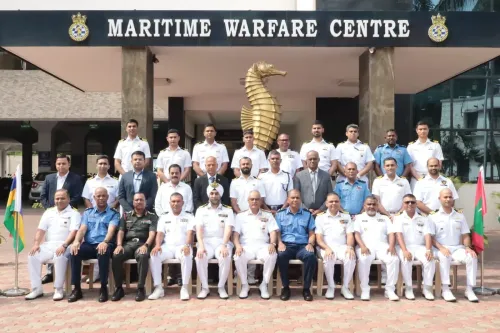
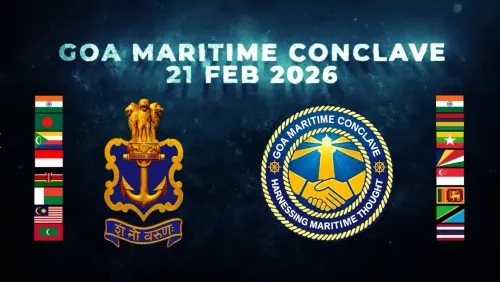
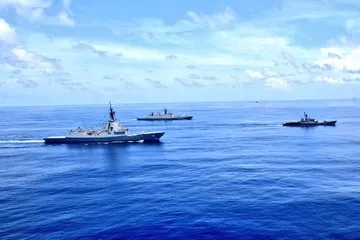
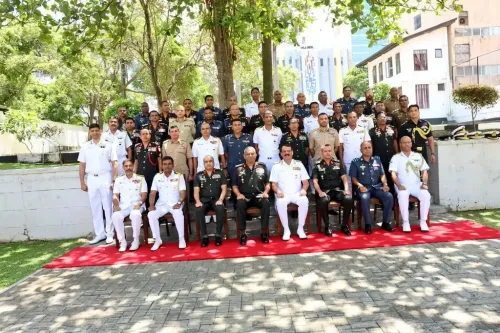
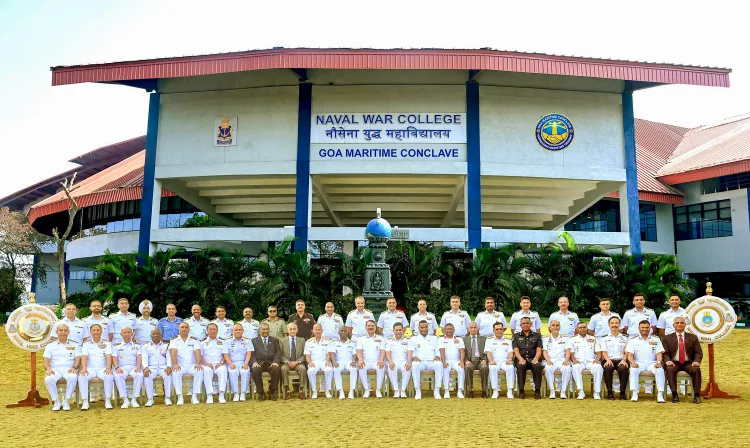
Goa, Feb 21 (NationPress) The fifth iteration of the Goa Maritime Conclave (GMC-26), organized by the Indian Navy, wrapped up at the Naval War College in Goa on Saturday, with participating nations reiterating their dedication to enhancing collaborative frameworks to tackle maritime security challenges in the Indian Ocean Region (IOR).
This conclave convened Chiefs of Navies and senior maritime leaders from 15 IOR countries to discuss emerging threats and joint responses. Under the theme “Common Maritime Security Challenges in the IOR — Progressing Lines of Efforts to Mitigate Dynamic Threats,” the event underscored the necessity for organized dialogue and coordinated actions among regional allies.
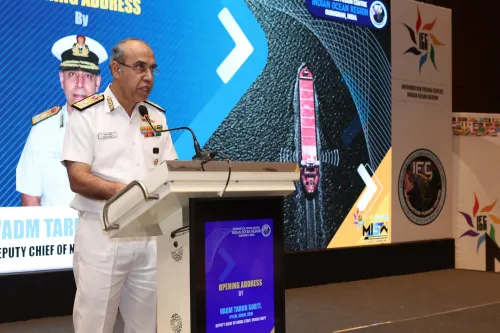
In his keynote address, former Navy Chief Arun Prakash stressed that the fast-changing maritime security landscape demands synchronized regional responses bolstered by real-time information sharing, institutional coordination, and ongoing capacity development.
He pointed out that issues such as Illegal, Unreported, and Unregulated (IUU) fishing, trafficking networks, and other transnational maritime crimes can only be effectively tackled through a shared responsibility among IOR nations.
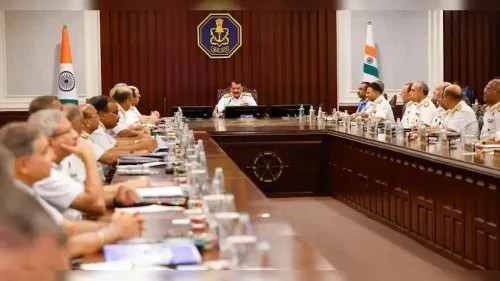
The first session, led by former National Maritime Security Coordinator G. Ashok Kumar, centered on improving real-time maritime information exchange and operational coordination to combat illegal activities at sea, including drug trafficking and unlawful fishing. Speakers emphasized the importance of enhancing maritime domain awareness networks and boosting interoperability among information-sharing systems.
The second session explored avenues for capacity building among maritime agencies, highlighting the necessity of pooling training resources, expanding professional exchanges, and strengthening institutional frameworks to ensure lasting maritime stability in the region.
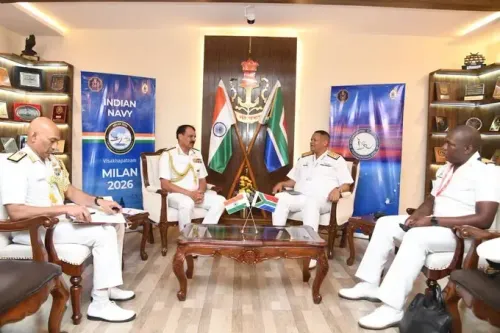
Chief of the Naval Staff Dinesh K. Tripathi expressed gratitude to partner nations for their involvement and reaffirmed India’s commitment to promoting inclusive and action-oriented maritime cooperation.
He stated that in an age of evolving threats, regional partners must transition from shared awareness to coordinated actions through technology-driven collaboration and seamless information exchange.
The conclave concluded with participating delegations voicing strong agreement on enhancing maritime partnerships and ensuring a safe, secure, and stable Indian Ocean through ongoing cooperation.
Point of View
The discussions at the Goa Maritime Conclave reflect a significant commitment to collaborative maritime security among IOR nations. Strengthening partnerships through real-time information sharing and coordinated actions is essential in addressing the complex challenges posed by illegal activities at sea. India’s proactive stance in fostering maritime cooperation is commendable and aligns with broader regional stability goals.
NationPress
10 Oct 2026
Frequently Asked Questions
What is the Goa Maritime Conclave?
The Goa Maritime Conclave is a gathering of naval leaders from countries in the Indian Ocean Region aimed at discussing and addressing maritime security challenges.
Why is real-time information sharing important in maritime security?
Real-time information sharing enhances maritime domain awareness and allows for timely responses to illegal activities at sea, such as trafficking and IUU fishing.
What were the key themes of this year's conclave?
This year's conclave focused on common maritime security challenges in the IOR and the need for coordinated efforts to mitigate dynamic threats.