Will MoS Sanjay Seth Lead Maritime Security Talks at Goa Conclave on Feb 21?
Synopsis
Join the conversation on maritime security as Minister of State Sanjay Seth leads crucial discussions at the Goa Maritime Conclave. This event promises to tackle pressing issues in the Indian Ocean Region, bringing together naval leaders and experts to foster collaboration and strengthen maritime safety. Don't miss this important dialogue!
Key Takeaways
Minister Sanjay Seth to lead discussions at GMC-26 .
Focus on collaboration among IOR nations.
Addressing maritime challenges like IUU fishing .
Promoting regional security and stability.
Keynote by Admiral Arun Prakash .
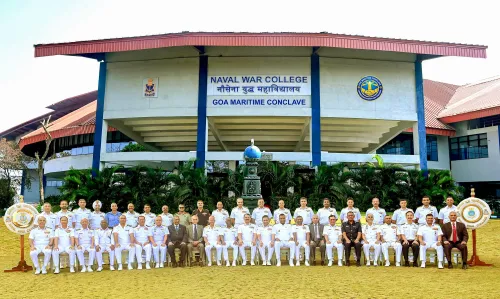
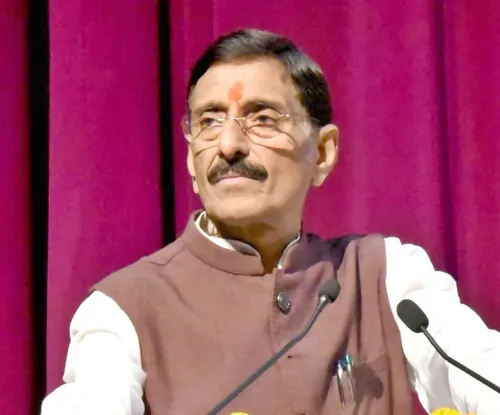
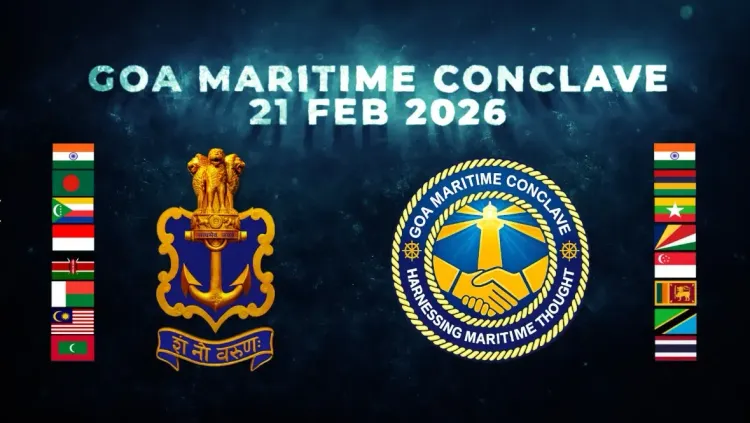
Panaji, Feb 17 (NationPress) Minister of State (MoS) for Defence, Sanjay Seth, is set to collaborate with maritime security specialists from the Indian Ocean Region (IOR) to devise solutions for current challenges at the fifth edition of the Goa Maritime Conclave (GMC-26) on February 21, as announced by an official on Tuesday.
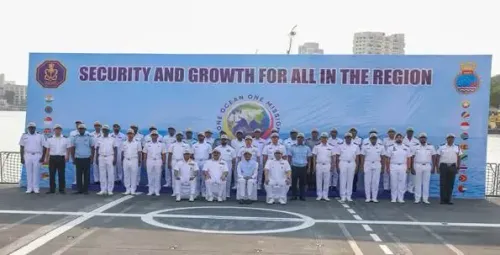
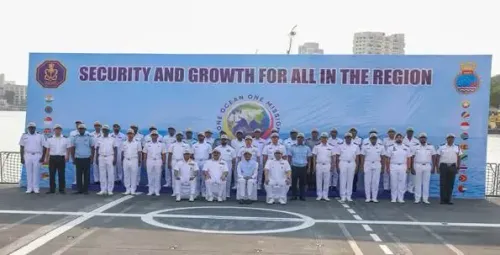
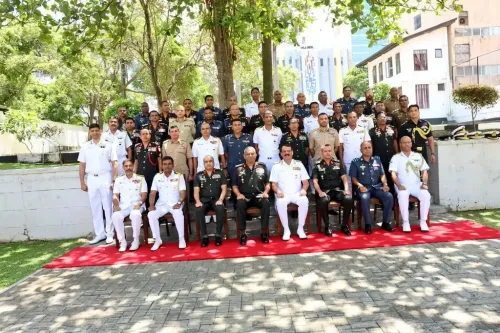
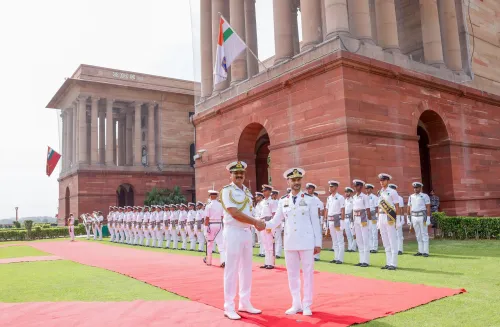
The event will take place at the Naval War College in Goa, where Admiral Dinesh K. Tripathi, Chief of the Naval Staff, will welcome Chiefs of Navies, heads of maritime forces, and senior delegates from 14 nations, according to the statement.
This year’s theme is 'Common Maritime Security Challenges in the IOR — Progressing Line of Efforts to Mitigate Dynamic Threats such as IUU Fishing and other Illegal Maritime Activities', highlighting the critical need for synergy, collaboration, and coordination among maritime nations with vested interests in the Indian Ocean Region.
Representatives from Bangladesh, Comoros, Indonesia, Kenya, Madagascar, Malaysia, Maldives, Mauritius, Myanmar, Seychelles, Singapore, Sri Lanka, Thailand, and Tanzania are expected to attend the Conclave.
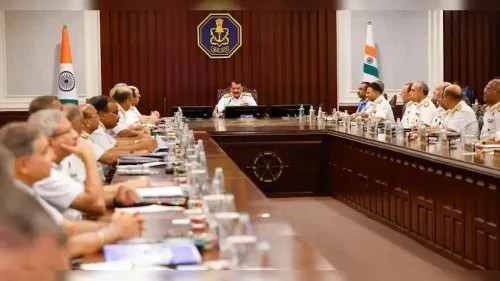
The forum will include discussions led by distinguished speakers and experts focusing on the real-time exchange of maritime information and collaborative efforts to enhance maritime capabilities.
Admiral Arun Prakash (Retd), former Chief of the Naval Staff, will present the keynote address.
The Goa Maritime Symposium (GMS) and Goa Maritime Conclave (GMC) were established in 2016 and 2017, respectively, to promote collaborative thinking and mutual understanding between India and key maritime nations of the IOR, aligning with the vision of MAHASAGAR (Mutual and Holistic Advancement for Security and Growth Across Regions).
The Conclave remains a significant platform for formulating and executing cooperative solutions to maritime security challenges in the Indian Ocean Region.
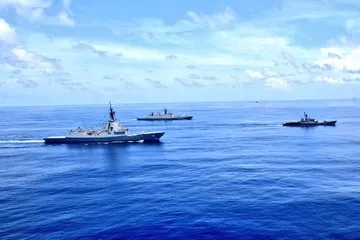
The maritime landscape in the IOR faces a broad range of both traditional and non-traditional challenges, which have notable repercussions for regional security and livelihoods.
Threats such as maritime terrorism, contraband smuggling, Illegal, Unregulated and Unreported (IUU) fishing, piracy, armed robbery, and irregular migration continue to threaten the goal of safe and secure seas.
Emerging issues like climate change, cyber threats, and dark shipping exacerbate these risks. The transnational and multi-faceted nature of these threats calls for enhanced cooperation and robust collaborative mechanisms among partner nations.
Point of View
The upcoming Goa Maritime Conclave is a critical opportunity for India to assert its leadership in the Indian Ocean Region. By fostering cooperation with neighboring countries, India can enhance maritime security and address shared challenges, reinforcing its commitment to regional stability.
NationPress
30 Sept 2026
Frequently Asked Questions
What is the Goa Maritime Conclave?
The Goa Maritime Conclave is an annual event that brings together maritime security leaders and experts to discuss and address maritime challenges in the Indian Ocean Region.
Who will attend the 2023 Goa Maritime Conclave?
The Conclave will feature representatives from 14 nations, including naval chiefs and maritime force leaders from countries like Bangladesh, Maldives, and Sri Lanka.
What topics will be discussed at the Conclave?
Discussions will focus on key maritime security issues such as illegal fishing, maritime terrorism, and the collaboration needed to address these challenges.