NEET reform: Parliamentary panel backs multi-phase exam, lauds re-test security
Synopsis
India's Parliamentary education committee has put NEET reform squarely on the legislative agenda — recommending a multi-phase exam model, praising tightened security measures like Telegram restrictions, and insisting that any digital shift must wait for nationwide infrastructure readiness. After the 2024 paper-leak crisis, this signals serious structural scrutiny of how India tests its future doctors.
Key Takeaways
The Parliamentary Standing Committee on Education reviewed NEET-UG 2026 re-examination conduct on 1 July 2026 in New Delhi.
Members proposed separate entrance tests for MBBS , AYUSH , and Nursing ; the NTA said this was not currently feasible.
The panel recommended a multi-phase NEET across different states to ease single-day logistical pressure.
Chairperson Mukul Wasnik praised security measures including Telegram access restrictions, WhatsApp monitoring, and question paper redesign.
The committee cautioned that a shift to computer-based NEET must await adequate digital infrastructure across the country.
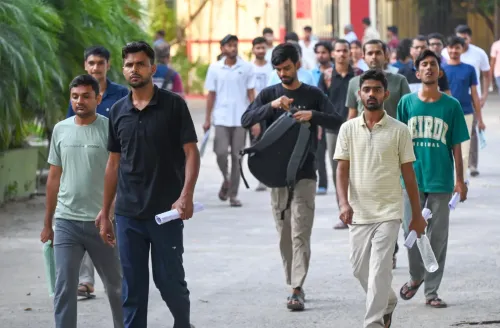
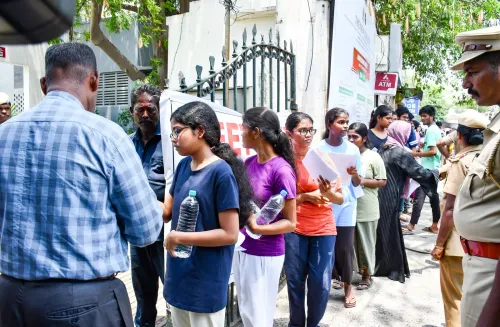
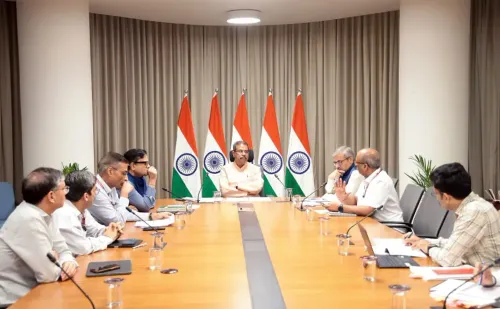
A Parliamentary Standing Committee on Education, Women, Children, Youth and Sports on Wednesday, 1 July 2026 reviewed the conduct of the NEET-UG 2026 re-examination in New Delhi, discussing a broad set of reforms to strengthen India's national-level medical entrance system. The session examined the functioning of the National Testing Agency (NTA) and debated structural changes to improve security, transparency, and logistical efficiency.
Key Proposals from the Panel
According to sources, committee members proposed conducting separate entrance examinations for MBBS, AYUSH, and Nursing courses, arguing that disaggregating the candidate pool would ease pressure on a single high-stakes test. The NTA, however, pushed back, stating that such a split was not feasible at present since admissions to all three programmes are currently governed by NEET scores.
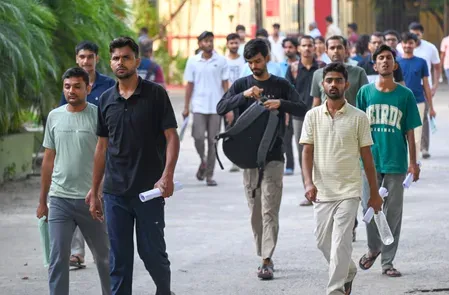
The panel also recommended exploring a multi-phase NEET conducted across different states on staggered dates — a move aimed at addressing the immense logistical burden of organising a nationwide examination on a single day for millions of candidates.
Security Measures Praised
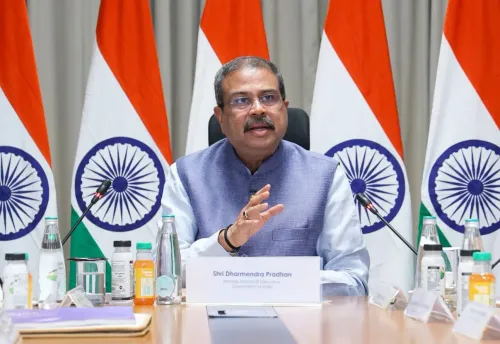
Committee Chairperson Mukul Wasnik and other members appreciated the conduct of the NEET-UG 2026 re-examination, commending the enhanced security protocols put in place by the NTA. According to sources, these measures included restricting access to Telegram, monitoring WhatsApp channels, and redesigning the question paper to reduce vulnerability to leaks. Wasnik described these steps as significant advances in making the examination process more secure and tamper-resistant.
On the Digital Transition
The committee also weighed in on the long-debated shift from a pen-and-paper format to a computer-based NEET. Members asserted that any such transition should only be undertaken after ensuring adequate digital infrastructure is available across the country — particularly in rural and semi-urban regions — and that all necessary preparations are completed well in advance to guarantee equitable access for all candidates.
This comes amid sustained scrutiny of the NTA following the NEET-UG 2024 paper-leak controversy, which triggered nationwide protests and a Supreme Court intervention. The 2026 re-examination was widely seen as a credibility test for the agency. The panel's engagement signals that legislative oversight of the examination system is intensifying, with structural reform now firmly on the policy agenda.
What Happens Next
The committee's recommendations are advisory in nature, but they carry significant weight in shaping government policy. The Ministry of Education is expected to respond to the panel's suggestions in a subsequent session. Whether the NTA revisits the feasibility of course-specific exams or accelerates the multi-phase model will depend on the ministry's position and available administrative capacity ahead of the next examination cycle.
Point of View
Implicitly, that a single-day, single-paper exam for over two million candidates is an administrative risk that the country can no longer afford to ignore. Yet the NTA's resistance to course-specific exams reveals the tension between institutional inertia and reform momentum. The praise for Telegram restrictions and paper redesign, while warranted, addresses symptoms rather than the structural flaw: a centralised, high-stakes, single-attempt system that concentrates fraud incentive. Until the multi-phase model is piloted and the digital infrastructure gap is honestly mapped, these are incremental fixes on a system that critics argue needs a fundamental rethink.
NationPress
30 Sept 2026
Frequently Asked Questions
What did the Parliamentary Committee recommend for NEET reform?
The committee recommended conducting NEET in multiple phases across different states to ease single-day logistical pressure, and explored the idea of separate exams for MBBS, AYUSH, and Nursing courses. The NTA, however, said course-specific exams were not feasible at present.
Why did the panel praise the NEET-UG 2026 re-examination?
Chairperson Mukul Wasnik and committee members commended the NTA for enhanced security measures during the re-test, including restricting Telegram access, monitoring WhatsApp channels, and redesigning the question paper to reduce leak risk.
Will NEET shift to a computer-based format soon?
Not immediately. The Parliamentary Committee stated that any transition to computer-based NEET must only happen after adequate digital infrastructure is in place nationwide and all preparations are completed to ensure equitable access for all candidates.
Who chairs the Parliamentary Standing Committee on Education?
Mukul Wasnik chairs the Parliamentary Standing Committee on Education, Women, Children, Youth and Sports, which reviewed the NEET-UG 2026 re-examination on 1 July 2026.
What is the background to these NEET reform discussions?
The reform push follows the NEET-UG 2024 paper-leak controversy, which triggered widespread protests and a Supreme Court intervention. The 2026 re-examination was seen as a credibility test for the NTA, and legislative scrutiny has intensified since then.