Why Has Nepal Prohibited Protests Near Tribhuvan Intl Airport?
Synopsis
In a significant move, local authorities in Kathmandu have banned protests at Tribhuvan International Airport, citing security concerns. This decision raises questions about citizens' rights to assembly and freedom of expression, while also aiming to ensure public safety in a sensitive area. Explore the implications of this order and its impact on protest activities.
Key Takeaways
Protests involving more than five individuals are banned near Tribhuvan International Airport for a month.
The ban covers all areas within the airport's perimeter, including terminals and parking zones.
The DAO emphasizes public safety and the potential for unrest as reasons for the ban.
Citizens still retain their right to protest in other locations with prior notice.
Organizers are liable for any damages incurred during protests.
Kathmandu, Feb 12 (NationPress) The local authorities in Kathmandu have imposed a ban on all protests involving more than five individuals at the Tribhuvan International Airport and its adjacent areas, effective from Friday.
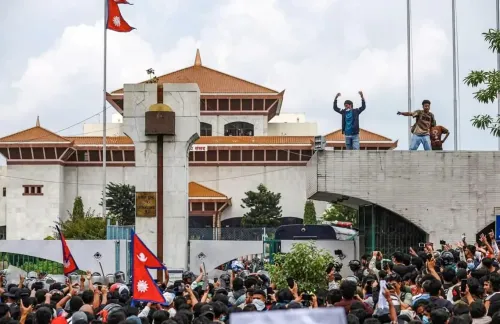
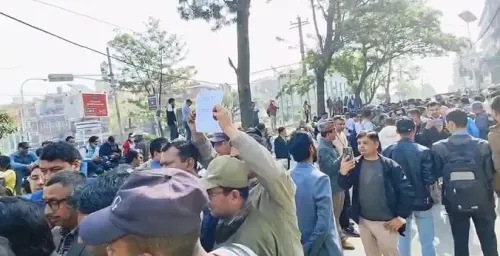
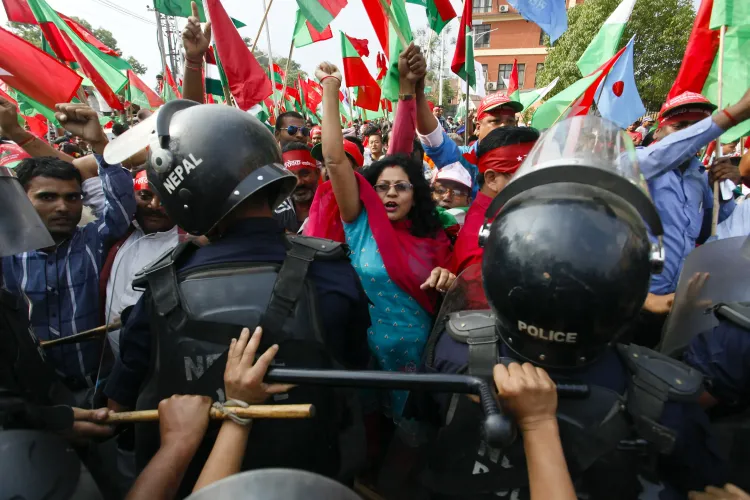
In response to certain groups intending to hold protests at the international airport, the District Administration Office (DAO), Kathmandu, has issued a prohibitory order that disallows protest activities — including hunger strikes, sit-ins, gherao, rallies, demonstrations, and assemblies that involve gatherings of over five people — across the entire premises of Tribhuvan International Airport and its vicinity for a period of one month.
The restricted zone encompasses all routes from the main entrance of the airport to the airport compound, including the domestic terminal area, international terminal area, parking area, and all other locations within the airport perimeter.
The DAO clarified that this decision was made as the international airport and its surrounding areas are deemed highly sensitive.
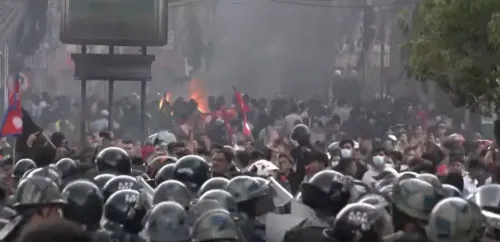
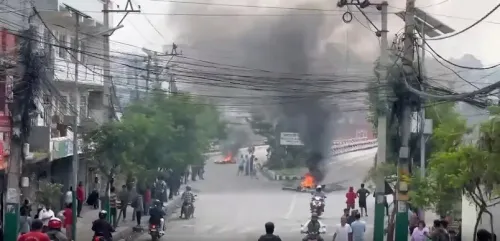
“The planned protest activities — including hunger strikes, sit-ins, gherao, rallies, demonstrations, and assemblies — could potentially instigate vandalism, arson, and other unruly behaviors from agitated crowds,” stated the DAO. “Such actions may result in confrontations, mob violence, or disturbances, significantly disrupting essential services, public transportation, public property, and overall peace and security.”
Nevertheless, the DAO emphasized its commitment to safeguarding every citizen’s constitutional right to freedom of expression, peaceful assembly without weapons, and participation in protest activities, in line with the Constitution of Nepal, in other locations.
The DAO has called upon organizers to provide advance notice when planning protests in alternative areas. It also cautioned that any damage or loss incurred to government, public, or private property would be evaluated according to the law, and the cost of such compensation would be the responsibility of the organizers.
Point of View
It is imperative to recognize the delicate balance between maintaining public order and respecting citizens' constitutional rights. The recent prohibitory order by the DAO reflects a growing concern for safety in critical areas. While ensuring peace, it's essential for the administration to uphold the right to peaceful assembly in appropriate locations, fostering a democratic space for expression.
NationPress
30 Sept 2026
Frequently Asked Questions
What prompted the ban on protests near Tribhuvan International Airport?
The ban was initiated due to concerns about potential unrest and protests planned by certain groups, which the local administration deemed could disrupt public safety and essential services.
How long will the ban on protests be in effect?
The prohibitory order is set to last for one month, starting from the date it was issued.
Are citizens still allowed to protest in other areas?
Yes, citizens can still protest in other locations, provided they comply with legal requirements and give prior notice to the authorities.
What happens if damage occurs during protests?
The DAO has warned that any damage or loss to public, government, or private property during protests will be assessed legally, and organizers will be held liable for compensation.
What types of protests are specifically banned at the airport?
The ban includes hunger strikes, sit-ins, gherao, rallies, demonstrations, and any assembly involving more than five individuals within the airport premises.