Will Nepal Close Border Points with India for 72 Hours?
Synopsis
In a strategic move to ensure security during Nepal's parliamentary elections on March 5, border checkpoints with India will be closed for 72 hours. This decision reflects a collaborative effort between Nepal and India to maintain a safe polling environment and prevent any potential disruptions.
Key Takeaways
Border checkpoints between Nepal and India will be closed for 72 hours.
The closure aims to ensure a secure polling environment .
Both nations are collaborating to prevent unwanted infiltration .
Security discussions included cross-border crime prevention.
Regular coordination meetings occur twice a year .
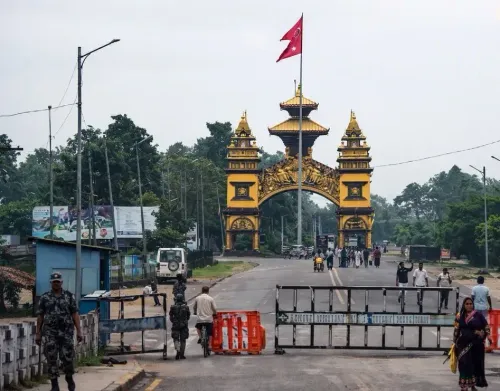
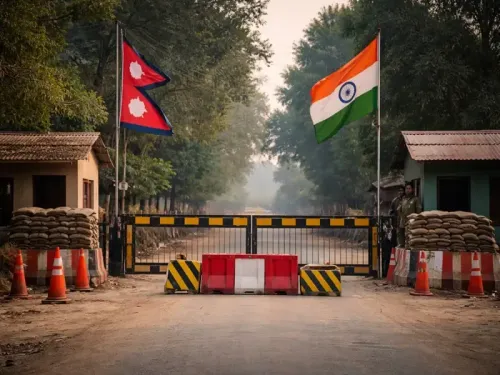
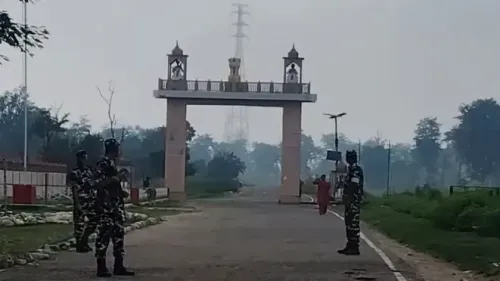
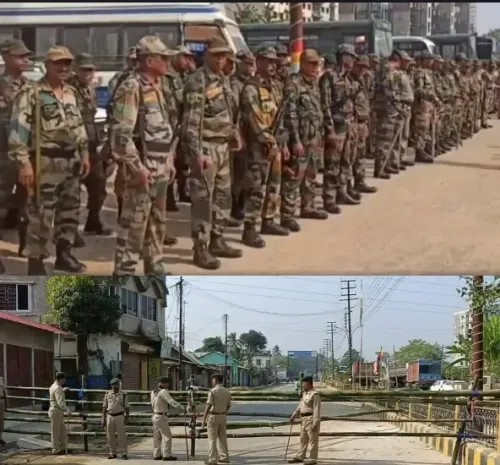
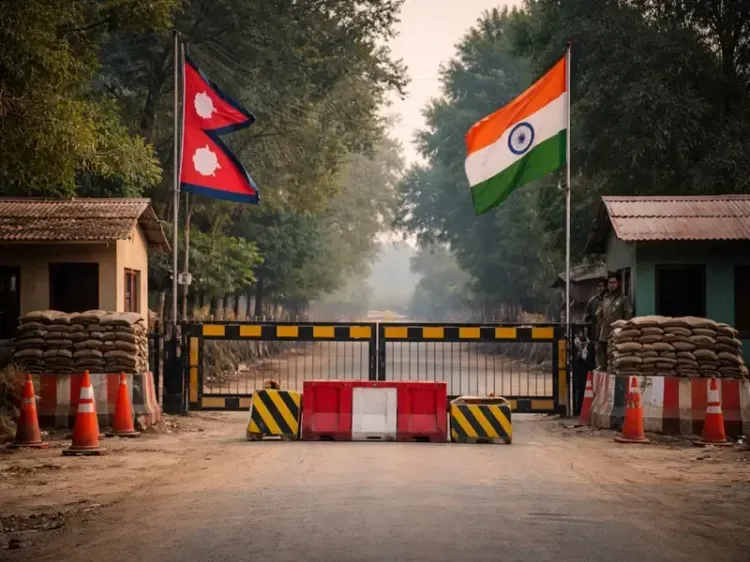
Kathmandu, Feb 8 (NationPress) Officials in charge of security from Nepal and India have reached an agreement to shut down border checkpoints for a period of 72 hours during the parliamentary elections in Nepal, which are set for March 5. This measure is intended to create a secure atmosphere for the voting process.
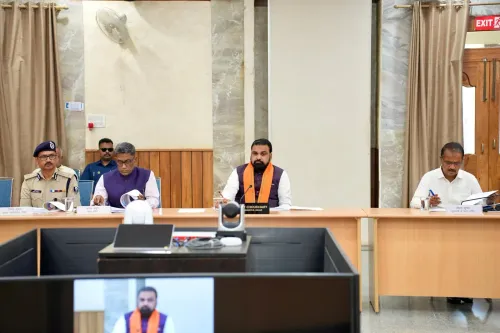
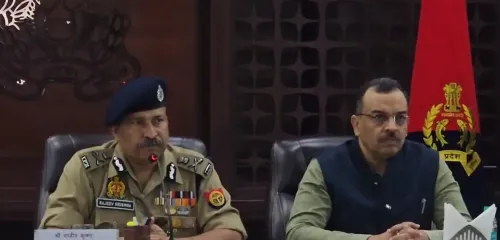
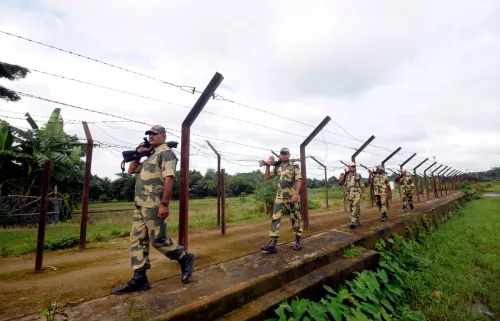
During a recent meeting at the DIG level, the 16th coordination gathering between Nepal's Armed Police Force (APF) and India's Sashastra Seema Bal (SSB) took place in Biratnagar, located in Morang district on Friday. Both parties decided to enhance border security to prevent any disruptive infiltration that could interfere with the elections.
“We requested the Indian side to initiate the closure of the border points two days ahead of the election day, and they accepted our proposal,” stated DIG Bishnu Prasad Bhatt, the spokesperson for the APF, in an interview with IANS. “In line with the agreement, the border points will be inaccessible for three days (72 hours), including the election day.”
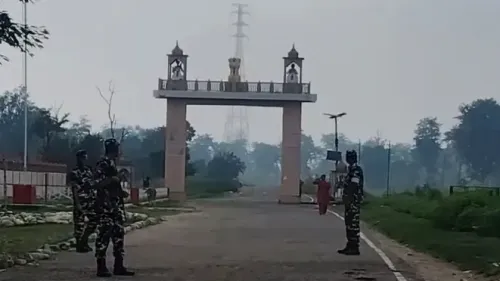
Bhat emphasized that closing border points prior to elections is a standard practice in both nations. “Given that security forces are heavily deployed at polling stations during elections, it is vital to restrict the movement of undesirable groups across the border,” he said.
As reported by the APF, the two sides also engaged in discussions regarding border safety, managing cross-border crime, preventing the illegal entry of individuals from third countries, human trafficking, counterfeit currency, and the smuggling of narcotics.
India has previously raised alarms about the potential infiltration of militants from Kashmir and Pakistan who could exploit the open border with Nepal.
The meeting also covered topics such as the safeguarding of border pillars, easing passenger movement, conducting joint patrols, disaster rescue exercises, and organizing joint sporting events, according to the APF.
Both parties agreed to pinpoint vulnerable border locations, evaluate potential threats, monitor refugee and migrant activities, and perform routine inspections at various levels.
Furthermore, they discussed reinforcing a prohibition on the sale, distribution, and consumption of intoxicants in border regions, as per the APF. “These coordination meetings are conducted biannually, alternating between Nepal and India,” Bhatt concluded.
Point of View
It is imperative to recognize the importance of security during elections. The closure of border points is a proactive measure that highlights the commitment of both Nepal and India to uphold democratic processes. Ensuring a safe environment for voters is essential, and such collaboration sets a precedence for future engagements.
NationPress
27 Sept 2026
Frequently Asked Questions
Why are the border points being closed?
The border points are being closed to ensure a secure environment during Nepal's parliamentary elections and to prevent any potential disruptions.
How long will the border checkpoints remain closed?
The border checkpoints will be closed for 72 hours, including the day of the elections.
What measures are being taken to enhance security?
The measures include increased border controls, joint patrols, and the prohibition of intoxicating substances in border areas.