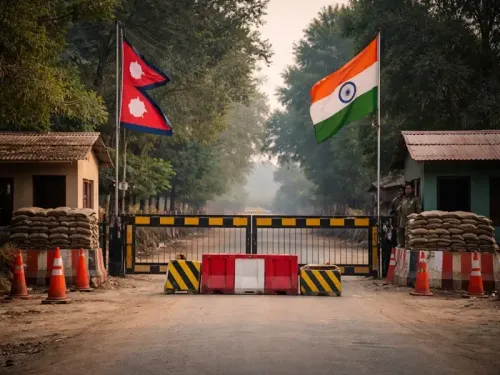
Nepal-India Border Checkpoints Shut for 72 Hours Ahead of Elections
Synopsis
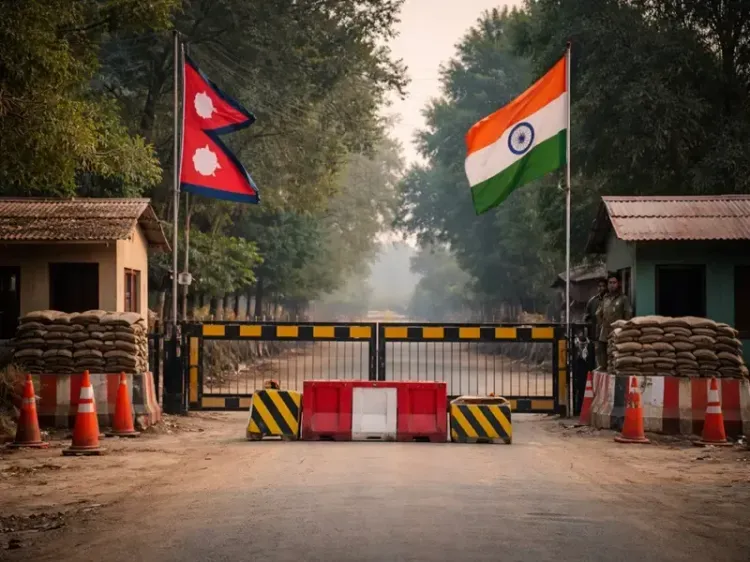
As Nepal gears up for parliamentary elections, border checkpoints with India will be closed for 72 hours to enhance security. This measure aims to prevent any disruptions from unwanted elements, ensuring a smooth electoral process.
Key Takeaways
Border checkpoints between Nepal and India are closed for 72 hours.
This measure is part of security protocols for the upcoming parliamentary elections.
Only essential goods are allowed to cross the border.
Coordination with India's SSB is established to prevent infiltration.
Election integrity is a priority, ensuring a peaceful electoral process.
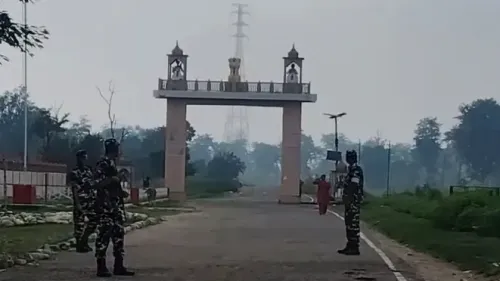
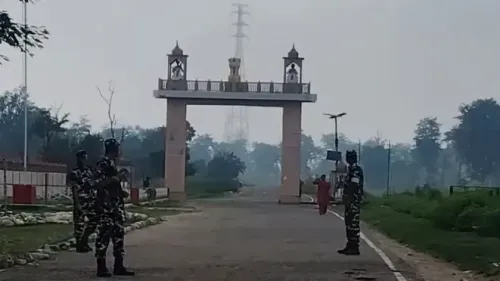
Kathmandu, March 3 (NationPress) - In a move aimed at securing the upcoming elections, all Nepal-India border points will remain closed for 72 hours, commencing from midnight on Monday. This precaution is taken to prevent any disruptions from 'undesirable elements' during the parliamentary elections scheduled for Thursday.
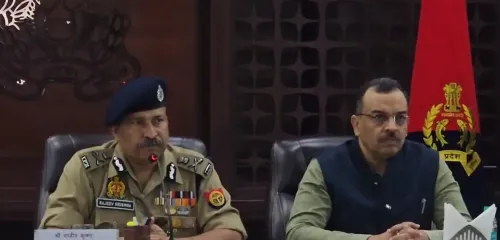
According to Deputy Inspector General Bishnu Prasad Bhatta, who serves as the spokesperson for the Armed Police Force (APF), "The transit of individuals and goods, excluding essential supplies, will be suspended for 72 hours starting from midnight Monday." He confirmed that this closure will extend until midnight Thursday.
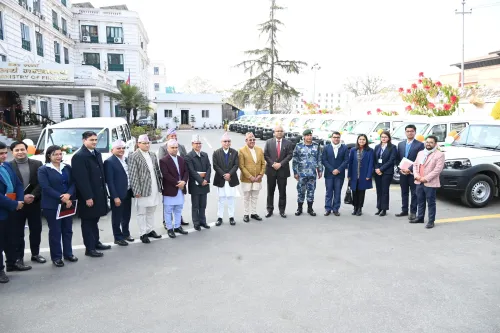
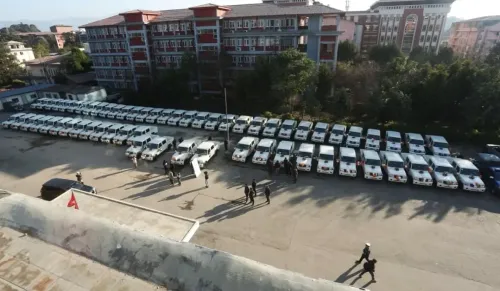
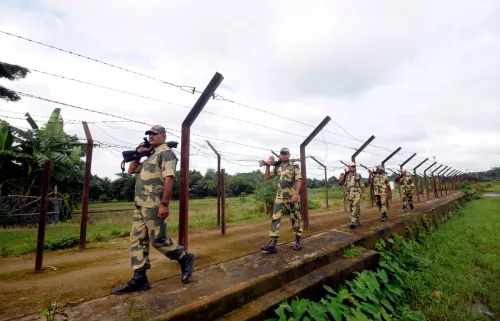
The responsibility of maintaining border security has been assigned to the APF. This decision to close the border aligns with the Integrated Security Plan 2025, which has been implemented for the elections. Local authorities in Nepal's border regions have also informed residents that the Indo-Nepal border will be off-limits for the specified duration.
DIG Bhatta indicated that while the borders are closed, essential items like fuel will still be allowed for transit. Additionally, provisions are being made to assist foreign nationals who may find themselves stranded at border locations in reaching their destinations within Nepal.
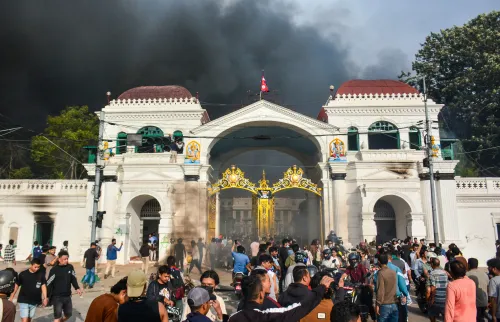
Nepal is preparing to conduct fresh parliamentary elections to select 275 representatives for the House of Representatives, which is the lower chamber of Parliament. Following the ousting of former Prime Minister K.P. Sharma Oli due to the Gen Z movement's violent protests in early September last year, an interim government led by Prime Minister Sushila Karki was established with the goal of conducting elections within a six-month timeframe.
In preparation for the elections, local governing bodies in border areas have also prohibited the use of vehicles bearing foreign registration plates, which is a common practice in these regions where Indian-registered vehicles are frequently used.
DIG Bhatta noted that coordination with India's Sashastra Seema Bal (SSB) has been established to thwart any attempts at infiltration by malicious groups. "We need to exercise heightened vigilance since weapons and ammunition taken during the Gen Z protests are still unaccounted for," he stated.
Point of View
The closure of Nepal-India border points for 72 hours ahead of the parliamentary elections reflects a proactive approach to ensure election integrity and security. The decision, made in light of past disruptions, is crucial for maintaining a peaceful electoral environment.
NationPress
29 Sept 2026
Frequently Asked Questions
Why are the Nepal-India border points closed?
The border points are closed for 72 hours as a precautionary measure to enhance security ahead of the parliamentary elections in Nepal.
Will essential goods still be allowed to cross the border?
Yes, the transportation of essential items such as fuel will still be permitted during the closure.
What are the dates of the border closure?
The border closure begins at midnight on Monday and will last until midnight on Thursday.
Who is responsible for border security during this time?
The Armed Police Force (APF) has been assigned the responsibility of ensuring border security during the closure.
What prompted the border closure?
The closure is part of the Integrated Security Plan 2025 aimed at preventing disruptions from unwanted elements during the election period.