Have Three New Bird Flu Cases Emerged at Poultry Farms in South Korea?

Synopsis
South Korea faces a rising threat as three new cases of bird flu are reported at poultry farms, bringing the season's tally to 21. With stringent measures in place, the government is working to contain the situation amid rising concerns over avian influenza outbreaks in the region.
Key Takeaways
Three new bird flu cases reported in South Korea's poultry farms.
Total cases this season have reached 21 .
Measures include culling of infected animals and restrictions on farm access.
Japan also confirms its own bird flu outbreaks.
Avian influenza poses risks to both poultry and public health.
Seoul, Dec 24 (NationPress) South Korea has confirmed three additional cases of highly pathogenic avian influenza at poultry farms on Wednesday, increasing the total number of reported cases this season to 21.
The new infections were identified at a chicken farm located in Anseong, approximately 65 kilometers south of Seoul, a duck farm in the southwestern county of Gochang, and another duck farm in Naju, as reported by the Central Disaster Management Headquarters and Yonhap news agency.
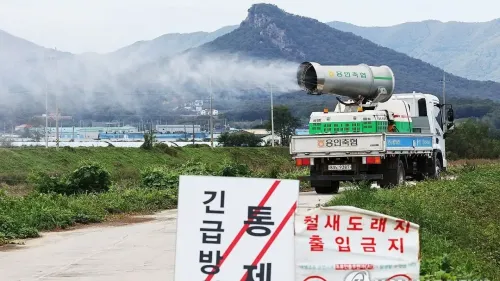
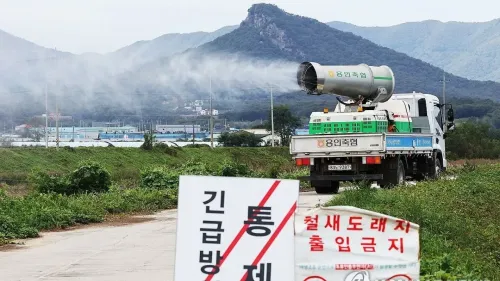
In response, authorities have imposed entry restrictions to these farms, initiated the culling of infected animals, and are conducting thorough investigations into the outbreaks. A temporary standstill order on all farms and farming vehicles in the affected regions has also been enacted.
Inspections are set to occur at duck farms linked to the two affected duck farms, along with all duck farms in North Jeolla Province, where Gochang is situated.
Agriculture ministry officials are being sent to Anseong and the western city of Cheonan, areas with a heightened risk of additional cases.
In related news, Japan's agriculture ministry announced on Wednesday that genetic testing confirmed an outbreak of highly pathogenic avian influenza at a farm in Kyoto Prefecture, marking the ninth bird flu outbreak in the country this season.
According to a statement from the Ministry of Agriculture, Forestry and Fisheries, the outbreak occurred at a poultry farm in Kameoka City, which houses approximately 280,000 egg-laying chickens.
Local authorities received a report on Tuesday and conducted a rapid avian influenza test on the chickens that same day, yielding positive results. Genetic testing completed on Wednesday confirmed the infection with the highly pathogenic avian influenza virus.
In accordance with established guidelines, all chickens at the farm will be culled, incinerated, and buried. Furthermore, farms within a three-kilometer radius are prohibited from moving chickens and eggs, while those located three to ten kilometers away cannot transport poultry products outside their area.
Disinfection measures around the farm have been intensified to prevent further viral spread, and an epidemiological investigation team has been deployed. Experts from the ministry will be sent if necessary, as reported by Xinhua news agency.
The avian influenza season in Japan typically spans from autumn to the following spring. The previous eight outbreaks this season have resulted in the culling of nearly 2.4 million chickens, with the first case confirmed in the northernmost prefecture of Hokkaido on October 22.
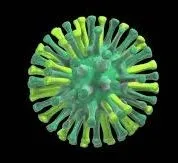
Avian influenza, commonly referred to as bird flu, is a type of zoonotic influenza affecting wild birds and poultry, caused by virus sub-types A(H5N1) and A(H9N2). While it has occasionally infected humans, the virus does not easily transmit between humans. Most human cases of avian influenza have been linked to direct or indirect contact with infected live or dead poultry.
Point of View
It is imperative to approach the ongoing avian influenza situation with utmost seriousness. The health of both poultry and the public is at stake, and the decisive actions taken by authorities reflect a commitment to control the outbreak effectively. The collaboration between South Korea and Japan in response to these incidents highlights the importance of vigilance in animal health management.
NationPress
4 Oct 2026
Frequently Asked Questions
What is avian influenza?
Avian influenza, or bird flu, is a type of influenza virus that primarily affects wild birds and poultry. It can be caused by various virus sub-types, including A(H5N1) and A(H9N2).
How does avian influenza affect humans?
Though avian influenza primarily infects birds, there have been rare instances of it infecting humans, usually through direct contact with infected poultry. Transmission between humans is not common.
What measures are being taken to control the outbreaks?
Authorities are restricting access to affected farms, culling infected animals, and implementing temporary standstill orders. Inspections are also being conducted at nearby farms.
What regions are affected by the recent bird flu cases?
The recent outbreaks have been reported in South Korea, particularly in regions such as Anseong, Gochang, and Naju.
How can I stay informed about avian influenza?
Stay updated through reliable news sources and official government announcements regarding avian influenza outbreaks and safety measures.