Indian Government Unveils New LPG Allocation Strategy to Aid Key Industries Amid Middle East Tensions
Synopsis
In light of escalating tensions in the Middle East, the Indian government has rolled out a new LPG allocation formula to support essential industries like pharmaceuticals and agriculture. This strategic move aims to secure vital supplies and ensure uninterrupted production in critical sectors.
Key Takeaways
New LPG allocation formula introduced to support vital sectors.
Up to 70% allocation based on pre-March 2026 consumption levels.
Priority for industries where LPG cannot be substituted.
Overall cap set at 0.2 thousand metric tonnes per day.
States encouraged to implement PNG adoption reforms .
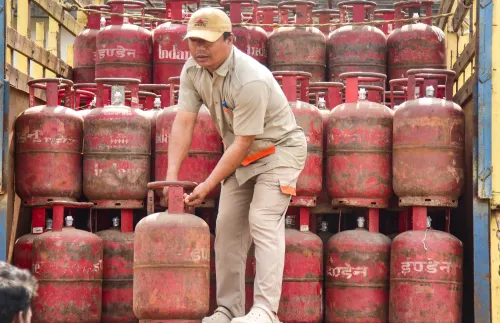
New Delhi, April 8 (NationPress) In response to escalating tensions in the Middle East, the Indian government unveiled a new LPG allocation formula on Wednesday, designed to bolster vital sectors such as pharmaceuticals, food processing, and agriculture.
The Ministry of Petroleum and Natural Gas has stated that the updated policy will secure bulk LPG supplies for a diverse array of industries, including pharmaceuticals, food, polymers, agriculture, packaging, paints, steel, ceramics, glass, and aerosols.
These sectors are deemed crucial for the economic stability and supply chains of the nation.
According to the new guidelines, industries will be allocated up to 70 percent of their LPG consumption levels recorded prior to March 2026.
However, the total allocation is limited to 0.2 thousand metric tonnes per day across the sector.
The government has emphasized that priority will be given to facilities where LPG cannot be substituted with natural gas.
In these circumstances, these units will receive LPG supplies first to ensure seamless production.
Additionally, industries must register with oil marketing companies and apply for piped natural gas (PNG) connections through city gas distribution companies.
This requirement has been eased for facilities where LPG is an integral component of the manufacturing process and cannot be replaced.
The Centre has also allocated 70 percent of non-domestic packaged LPG to various states.
Moreover, an extra 10 percent allocation will be available to states implementing reforms concerning PNG adoption.
The government has instructed states to undertake three critical actions: circulate the Natural Gas and Petroleum Products Distribution Order 2026 among all departments, swiftly utilize the reform-linked LPG allocation advantages, and announce policies relating to compressed biogas at the earliest opportunity.
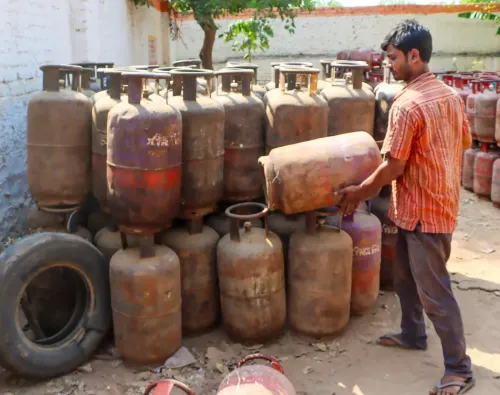
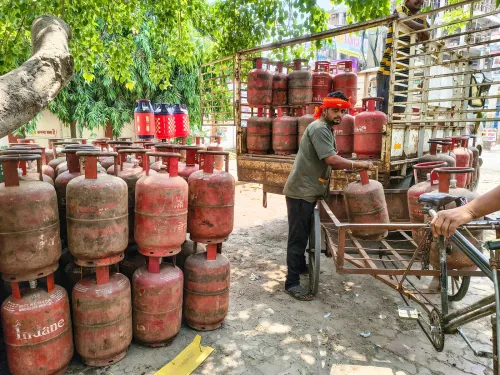
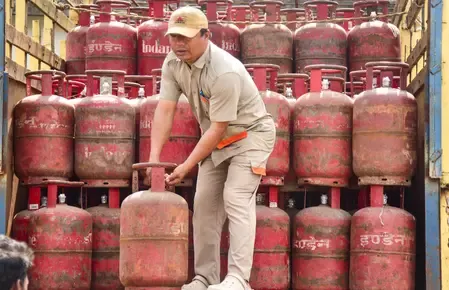
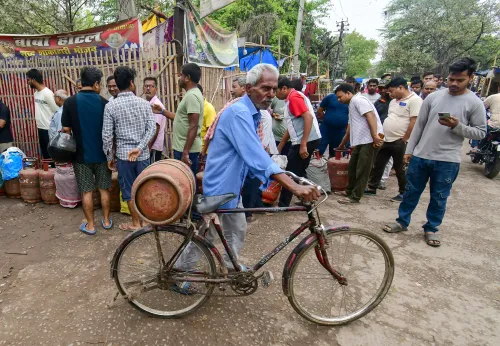
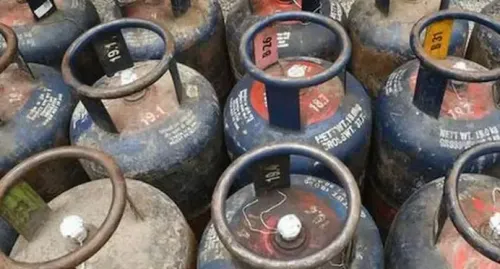
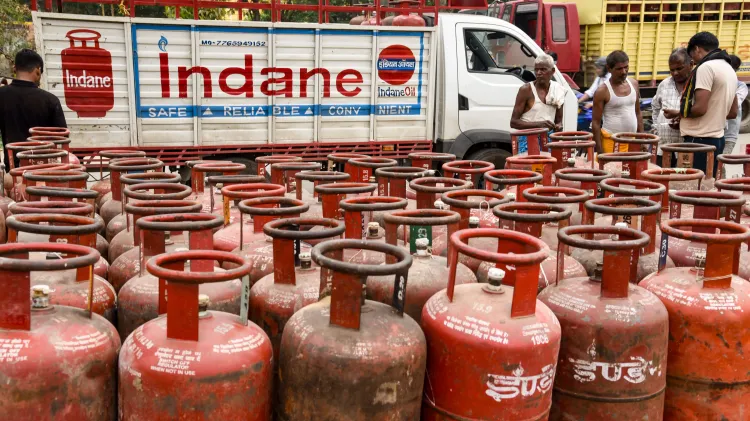
Previously, the ministry reported a notable increase in demand for smaller LPG cylinders. Since March 23, approximately 7.8 lakh 5-kg free trade LPG cylinders have been distributed nationwide.
Earlier this week, sales on a single day surpassed 1.06 lakh cylinders, compared to an average of around 77,000 per day in February.
Point of View
The government's proactive approach in introducing a new LPG allocation formula amidst international tensions demonstrates a commitment to safeguarding essential industries. This move not only addresses immediate supply chain concerns but also reflects a broader strategy to ensure economic stability in critical sectors.
NationPress
12 Oct 2026
Frequently Asked Questions
What is the new LPG allocation formula?
The new LPG allocation formula aims to support key industries such as pharmaceuticals, food processing, and agriculture by ensuring bulk LPG supplies, with industries receiving up to 70% of their pre-March 2026 consumption levels.
Which sectors will benefit from this allocation?
Benefiting sectors include pharmaceuticals, food processing, polymers, agriculture, packaging, paints, steel, ceramics, glass, and aerosols.
What is the cap on daily LPG allocation?
The overall allocation is capped at 0.2 thousand metric tonnes per day for the entire sector.
Will priority be given to specific industries?
Yes, priority will be given to factories where LPG cannot be replaced by natural gas, ensuring they receive supplies first.
How can industries apply for LPG allocation?
Industries must register with oil marketing companies and apply for piped natural gas connections through city gas distribution firms, though some requirements are relaxed for essential manufacturing units.