Noyyal River pollution: STP project stalled as 9 panchayats dump untreated sewage
Synopsis
Two years after federal clearance, nine Coimbatore town panchayats are still pumping raw sewage into the Noyyal River — a Cauvery tributary spanning 158 km — because the approved STP project has not moved beyond the DPR stage. Farmers warn of accelerating groundwater damage, while the district administration says procedures are still being completed.
Key Takeaways
Nine town panchayats in Coimbatore district continue to discharge untreated sewage into the Noyyal River as of 4 August .
STP project was approved in 2024 under the Nadanthai Vaazhi Cauvery scheme with NRCD clearance, but remains at the Detailed Project Report stage.
Funding split: Centre covers 60% , Tamil Nadu covers 40% of project cost.
The Noyyal flows 158.35 km through four districts and feeds into the Cauvery ; its water system includes 17 dams and 25 ponds in Coimbatore alone.
Farmer Rajan Arunachalam reported groundwater contamination and worsening agricultural conditions along the river.
District Collector Pavankumar G.
Giriyappanavar confirmed a proposal to extend the project to more local bodies is with the state government.
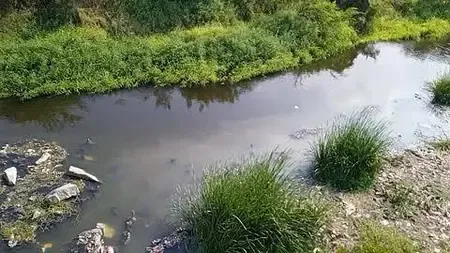
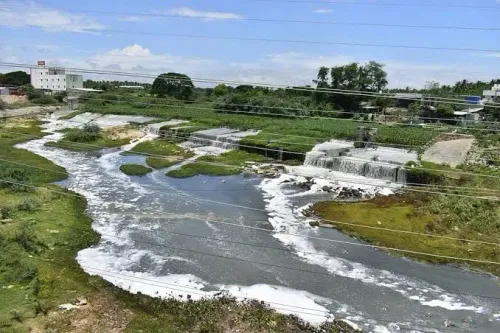
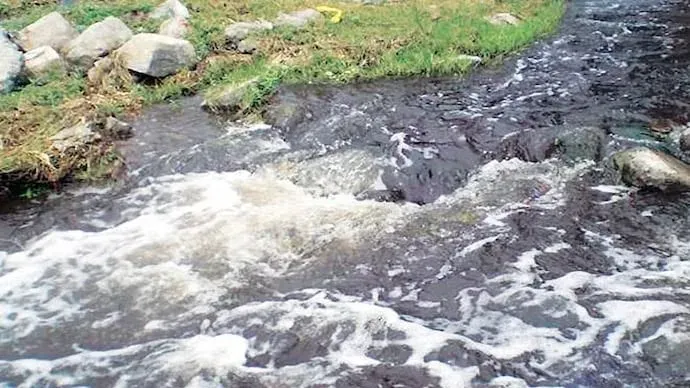
Nine town panchayats in Coimbatore district continue to discharge untreated sewage directly into the Noyyal River, nearly two years after sewage treatment plants (STPs) received federal clearance — with the project still stuck at the planning stage as of 4 August. The delay has drawn alarm from farmers and environmentalists who warn of worsening groundwater contamination along the river's course.
Project Background and Approvals
The STP project was sanctioned in 2024 under the Nadanthai Vaazhi Cauvery scheme, following clearance from the National River Conservation Directorate (NRCD) under the Union Ministry of Jal Shakti. It covers nine local bodies — Irugur, Sulur, Kannampalayam, Vellalore, Perur, Pooluvapatti, Veerapandi, Alandurai, and Thondamuthur — all situated along the Noyyal.
The scheme envisages intercepting and treating sewage generated by these town panchayats before it reaches the river. Under the approved funding structure, the Centre is to bear 60 per cent of the total project cost, with the Tamil Nadu government contributing the remaining 40 per cent.
Why the Noyyal Matters
The Noyyal is a significant tributary of the Cauvery, originating in the Western Ghats within Coimbatore district and flowing approximately 158.35 km through Coimbatore, Tiruppur, Erode, and Karur districts before merging with the Cauvery. Roughly 62.21 km of the river passes through Coimbatore district alone, where its water system encompasses 17 dams and 25 ponds.
Untreated sewage discharge from local bodies has long been identified as a primary driver of the river's deteriorating water quality. The contamination also threatens groundwater reserves that farming communities in the region depend upon.
Farmers Sound the Alarm
Rajan Arunachalam, a farmer and member of a non-political farmers' association, said there had been virtually no progress on establishing the STPs since the initial announcement. 'Untreated wastewater continued to enter the river from the local bodies, resulting in groundwater pollution and making farming increasingly difficult in areas along the Noyyal,' he said, urging authorities to implement the project without further delay.
Farmers along the Noyyal have broadly expressed concern that the persistent discharge of wastewater is contaminating groundwater and disrupting agricultural activities — a pattern that has worsened with each passing season.
Where the Project Stands
Coimbatore District Collector Pavankumar G. Giriyappanavar confirmed that a proposal had been forwarded to the state government to extend the project to additional local bodies situated along the Noyyal. He added that the project is currently at the Detailed Project Report (DPR) stage and would be implemented after completion of the necessary procedures.
This comes amid growing scrutiny of the pace of river rejuvenation efforts under the Nadanthai Vaazhi Cauvery scheme. Notably, the Noyyal's pollution problem is not new — successive administrations have flagged it without delivering lasting remediation. With the DPR still pending finalisation, the timeline for actual construction of the STPs remains unclear.
Point of View
Centre-state funding was structured, and local bodies were identified; yet two years later the project has not crossed the DPR threshold. What this reveals is a structural gap between scheme announcement and on-ground execution, particularly for smaller tributary rivers that lack the political salience of the Ganga or Yamuna. The farmers bearing the cost — in contaminated wells and failing harvests — have no recourse beyond urging authorities. Until the Centre and Tamil Nadu government set enforceable timelines with disbursement linked to construction milestones rather than paperwork, the Noyyal will remain a slow-moving environmental failure.
NationPress
18 Sept 2026
Frequently Asked Questions
Why is sewage still flowing into the Noyyal River despite an approved project?
The STP project received clearance from the NRCD under the Union Ministry of Jal Shakti in 2024, but nearly two years on it remains at the Detailed Project Report stage with construction yet to begin. Administrative procedures and the DPR finalisation have delayed actual implementation.
Which town panchayats are responsible for sewage discharge into the Noyyal?
The nine town panchayats identified under the project are Irugur, Sulur, Kannampalayam, Vellalore, Perur, Pooluvapatti, Veerapandi, Alandurai, and Thondamuthur — all in Coimbatore district along the Noyyal's course.
What is the Nadanthai Vaazhi Cauvery scheme?
Nadanthai Vaazhi Cauvery is a river rejuvenation scheme under which the STP project for the Noyyal was approved in 2024. It aims to reduce sewage pollution in Cauvery tributaries by funding treatment infrastructure through a 60:40 Centre-state cost-sharing arrangement.
How does Noyyal River pollution affect farmers?
Farmers along the Noyyal report that continuous discharge of untreated wastewater is contaminating groundwater, making irrigation water unfit and reducing agricultural productivity in Coimbatore, Tiruppur, Erode, and Karur districts.
What is the current status of the STP project according to officials?
Coimbatore District Collector Pavankumar G. Giriyappanavar stated that the project is at the Detailed Project Report stage and that a proposal to extend it to additional local bodies has been sent to the Tamil Nadu government. Implementation will follow completion of the necessary procedures.