NGT refuses to relocate Kotputli STP, mandates strict green safeguards
Synopsis
The NGT has refused to shift a ₹25.5 crore sewage plant in Kotputli-Behror, ruling the alternative site flood-prone and the relocation financially untenable — but it has tied the project's fate to a strict chain of environmental conditions, from mandatory pollution board consent to a green buffer and borewell protection, that authorities must fulfil before a single brick is laid.
Key Takeaways
The NGT Central Zone Bench, Bhopal rejected a plea to relocate the proposed 10 MLD STP at Village Chaturbhuj, Kotputli-Behror on 30 July 2025 .
The plant is being built under the AMRUT Scheme at an estimated cost of ₹25.5 crore using Sequencing Batch Reactor (SBR) technology.
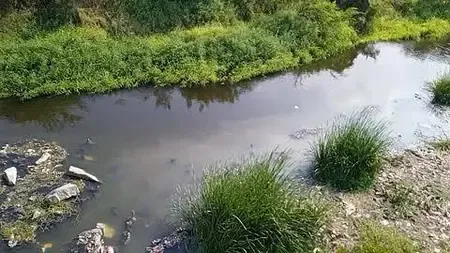
The alternative site proposed by residents was rejected as it lies near a river and is prone to flooding.
Construction cannot begin without Consent to Establish from the Rajasthan State Pollution Control Board under the Water Act, 1974.
Authorities must install a green buffer , odour and noise controls, and protect or relocate the nearby public drinking water borewell.
The Rajasthan State Pollution Control Board must regularly monitor compliance in coordination with the District Administration and Nagar Parishad, Kotputli .
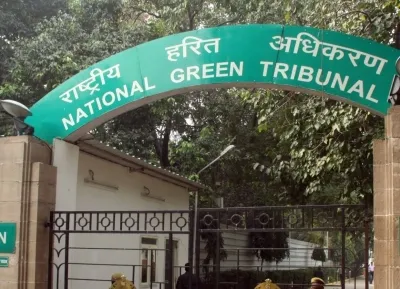
The National Green Tribunal (NGT), Central Zone Bench, Bhopal, has declined to interfere with the location of a proposed 10 Million Litres Per Day (MLD) Sewage Treatment Plant (STP) at Village Chaturbhuj in Kotputli-Behror district, Rajasthan, while ordering a comprehensive set of environmental safeguards to protect public health and the surrounding ecosystem. The ruling was issued on Thursday, 30 July, disposing of Original Application No. 145/2025 (CZ).
Background and Residents' Concerns
The application was filed by local residents Satyanarayan Sharma and another petitioner against the State of Rajasthan and others, seeking relocation of the proposed STP. Petitioners contended that the selected site sits in close proximity to ancient temples, a government school, a cow shelter, residential colonies, and public drinking water sources.
Residents argued the plant could adversely affect public health through odour, noise, mosquito breeding, and potential groundwater contamination. They also put forward an alternative site, claiming it would be more appropriate for the facility.
What the Tribunal Found
A Bench comprising Justice Sheo Kumar Singh, Judicial Member, and Dr. Prashant Gargava, Expert Member, considered submissions from all parties alongside the report of a Joint Committee constituted to inspect the site. The inspection confirmed the presence of temples, a gaushala, residential houses, Public Health Engineering Department (PHED) borewells, and plantations near the proposed site.
The Tribunal noted that the STP is being developed under the AMRUT Scheme at an estimated cost of ₹25.5 crore, using modern Sequencing Batch Reactor (SBR) technology designed to scientifically treat municipal sewage before discharge or reuse. It observed that modern STPs are essential urban environmental infrastructure, critical to preventing pollution of rivers, groundwater, and surrounding ecosystems.
Why Relocation Was Rejected
The Bench accepted the respondents' submission that the alternative site proposed by the petitioners lies close to a river and is susceptible to flooding. It further observed that shifting the project would not be technically feasible and would result in significant additional expenditure from the public exchequer.
Notably, the Rajasthan State Pollution Control Board has no exclusive siting guidelines for STPs, though the Tribunal emphasised that environmental safeguards and the precautionary principle must be strictly followed regardless.
Key Environmental Directives
While allowing the project to proceed, the NGT imposed a series of binding conditions. Construction or operation of the STP cannot commence without obtaining the mandatory Consent to Establish from the Rajasthan State Pollution Control Board under the Water (Prevention and Control of Pollution) Act, 1974.
The Tribunal further directed authorities to develop a wide green buffer with dense plantation around the STP, install effective systems to control odour, noise, and mosquito breeding, and ensure that untreated sewage is never discharged into open land or natural water bodies. Treated water must be maximised for reuse in roadside plantations, parks, gardens, and other approved purposes.
The nearby public drinking water borewell must be adequately protected or relocated to eliminate any possibility of contamination. The Rajasthan State Pollution Control Board has been directed to regularly monitor the project and ensure strict compliance with environmental norms in coordination with the District Administration and Nagar Parishad, Kotputli.
What Happens Next
With these directions, the Tribunal has disposed of the application, allowing the ₹25.5 crore AMRUT Scheme project to move forward subject to full statutory and environmental compliance. The onus now rests on the Rajasthan authorities to secure mandatory clearances and implement each safeguard before breaking ground.
Point of View
A regulatory gap the Tribunal flagged but did not compel the state to fix. The conditions imposed are comprehensive on paper, yet their value depends entirely on whether the Board's monitoring is routine compliance theatre or genuine oversight. Residents living near ancient temples and a gaushala deserve the latter.
NationPress
14 Sept 2026
Frequently Asked Questions
Why did the NGT refuse to relocate the Kotputli STP?
The NGT found that the alternative site proposed by residents lies close to a river and is susceptible to flooding, making relocation technically unfeasible and financially wasteful for the public exchequer. The Tribunal instead imposed strict environmental safeguards on the existing site.
What is the AMRUT Scheme STP planned for Kotputli-Behror?
It is a 10 MLD Sewage Treatment Plant being developed at Village Chaturbhuj in Kotputli-Behror district under the AMRUT Scheme at an estimated cost of ₹25.5 crore. The plant uses Sequencing Batch Reactor (SBR) technology to scientifically treat municipal sewage before discharge or reuse.
What conditions must be met before construction of the STP can begin?
The NGT has made it mandatory for authorities to obtain Consent to Establish from the Rajasthan State Pollution Control Board under the Water (Prevention and Control of Pollution) Act, 1974 before any construction or operation commences. Additional requirements include a green buffer zone, odour and noise control systems, and protection or relocation of the nearby public drinking water borewell.
What were the residents' objections to the STP location?
Residents argued the site is too close to ancient temples, a government school, a cow shelter, residential areas, and public drinking water sources. They raised concerns about odour, noise, mosquito breeding, and potential groundwater contamination from the proposed plant.
Who is responsible for monitoring the STP project going forward?
The Rajasthan State Pollution Control Board has been directed by the NGT to regularly monitor the project and ensure strict compliance with environmental norms. It must coordinate with the District Administration and Nagar Parishad, Kotputli to enforce all conditions imposed by the Tribunal.