Odisha Assembly Faces Ongoing Turmoil; Speaker Calls All-Party Meeting Amid Protests
Synopsis
The ongoing turmoil in the Odisha Assembly sees opposition members protesting heavily over paddy procurement issues and the Epstein files. Speaker Surama Padhy attempts to mediate through an all-party meeting as tensions rise.
Key Takeaways
Significant disruptions continue in the Odisha Assembly due to opposition protests.
BJD and INC are demanding accountability over paddy procurement issues .
Speaker Padhy has called for an all-party meeting to resolve the deadlock.
BJD plans to escalate protests over farmers' welfare.
Criticism directed at PM Modi and Union Minister Hardeep Singh Puri regarding the Epstein files.
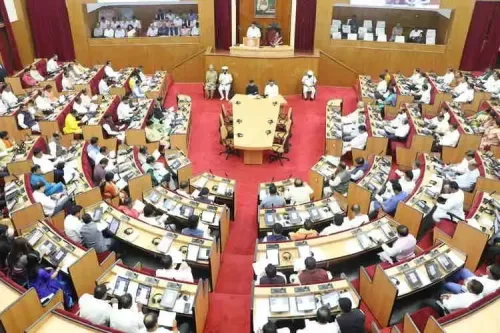
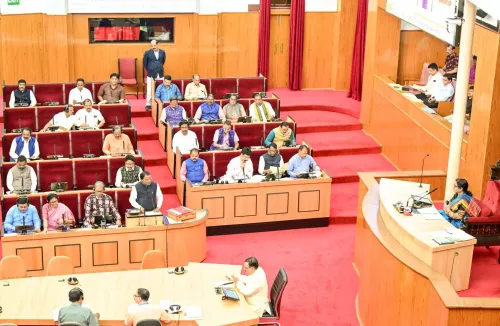
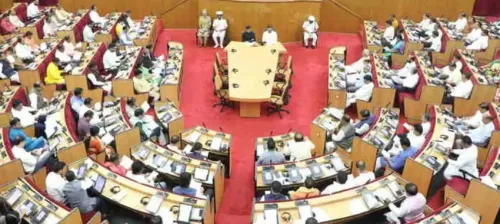
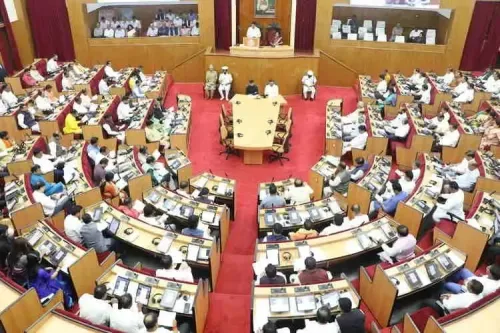
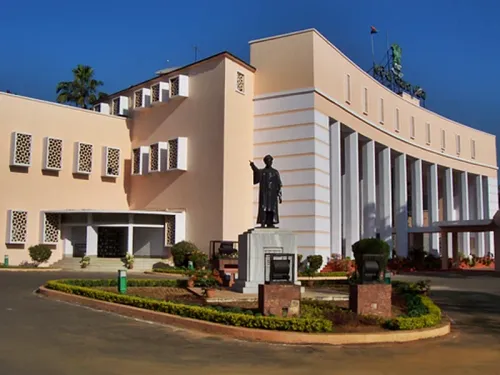
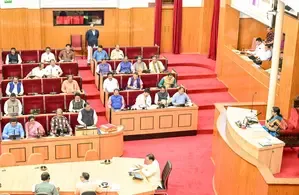
Bhubaneswar, Feb 23 (NationPress) The Odisha Assembly is experiencing significant turmoil as members from the opposition parties, including the Biju Janata Dal (BJD) and the Indian National Congress (INC), have intensified their protests regarding the chaos at Mandis and the Epstein file matters.
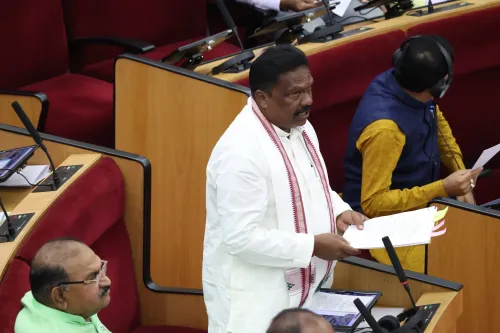
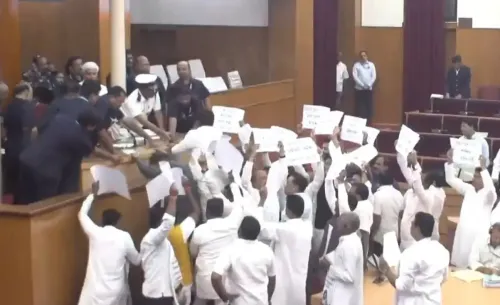
As the Question Hour commenced at 10:30 am on Monday, BJD members surged into the Well of the House, brandishing posters and chanting anti-government slogans near the Speaker’s podium, alleging substantial mismanagement in paddy procurement at Mandis throughout the state.
They contended that the BJP-led state government has let down farmers, who are suffering significantly due to delays in paddy lifting and non-payment of Minimum Support Price (MSP). Additionally, Congress members were vocal in their demands for discussions regarding the Epstein files.
Congress members insisted on the resignation of Union Minister Hardeep Singh Puri due to his involvement in the Epstein files. They also took the opportunity to criticize Prime Minister Narendra Modi in connection with these files.
In contrast, BJP MLAs protested the opposition's criticisms aimed at PM Modi and Union Minister, asserting that they were not members of the assembly.
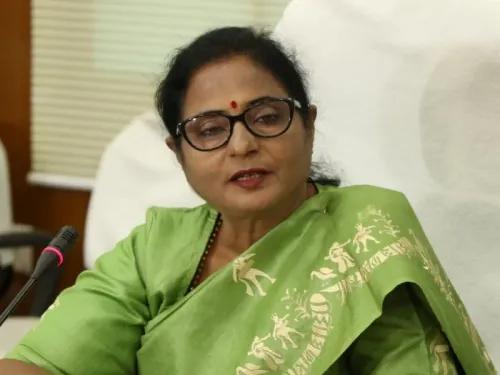
Speaker Surama Padhy made multiple appeals for opposition members to return to their seats and permit the assembly to proceed with its business. However, their protests persisted, leading to multiple adjournments.
Speaker Padhy convened an all-party meeting in an attempt to resolve the ongoing deadlock, which has been present since the budget session began on February 17.
Speaking to reporters outside the assembly, senior BJD leader Dibya Shankar Mishra expressed strong disapproval of the state government over the ongoing stalemate in the Odisha Assembly.
Mishra announced that the BJD plans to escalate its protests, organizing a significant demonstration in Bhubaneswar on Tuesday to spotlight farmers’ issues.
“It is disheartening to witness the current situation. In a democracy, governance should aim to benefit the most vulnerable, including farmers and marginalized communities. Regrettably, this government has misinterpreted the essence of welfare,” he remarked.
Mishra accused the government of disregarding the farming community, especially with rising costs of inputs.
He claimed that the promise of providing 100 units of free electricity to farmers has not been honored and pointed out that while there have been discussions about increasing the MSP, farmers are not reaping the benefits.
Further, he highlighted the significant rise in costs for seeds, fertilizers, and other agricultural inputs, yet proper support for farmers remains inadequate.
Mishra reiterated demands for loan waivers for farmers, the removal of procurement limits, and a guarantee for the procurement of surplus paddy.
“The cap of 150 quintals on procurement must be abolished. What will happen to the surplus paddy held by farmers? The government needs to ensure all produce is purchased,” he stated.
Frequently Asked Questions
What are the main issues causing disruption in the Odisha Assembly?
The disruptions are primarily due to protests over chaos at Mandis related to paddy procurement and demands for discussions on the Epstein files.
What actions have been taken to address the deadlock?
Speaker Surama Padhy has convened an all-party meeting to try and resolve the ongoing deadlock in the assembly.
What are the BJD's plans regarding the protests?
The BJD plans to intensify its protests, including a major demonstration in Bhubaneswar focused on farmers' issues.
Who is being criticized in the assembly protests?
Union Minister Hardeep Singh Puri and Prime Minister Narendra Modi are facing criticism from opposition members regarding the Epstein files.
What demands have been made by the opposition?
The opposition has called for loan waivers for farmers, removal of procurement limits, and assurance for the procurement of surplus paddy.