Odisha Speaker rejects BJD, Congress pleas to disqualify 11 MLAs
Synopsis
Odisha Speaker Surama Padhy has shut down BJD and Congress bids to disqualify 11 MLAs who cross-voted for a BJP-backed candidate in the March Rajya Sabha polls — not on the merits, but on procedural grounds. The petitions were dismissed as 'cryptic, vague, and unsubstantiated', leaving the rebel legislators in their seats and pushing the opposition toward the courts.
Key Takeaways
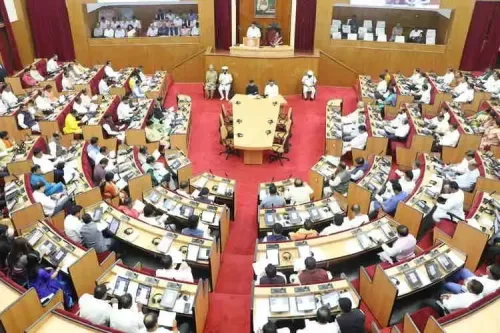
Odisha Assembly Speaker Surama Padhy on 22 June rejected petitions by BJD and Congress to disqualify 11 MLAs .
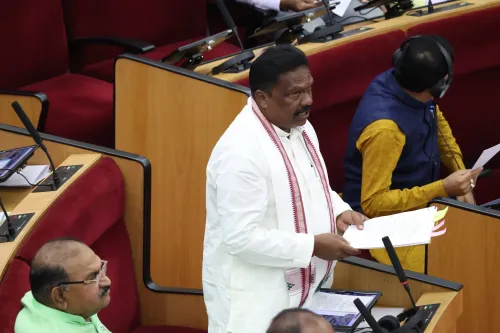
The 11 legislators — 8 BJD (including 2 suspended) and 3 Congress MLAs — allegedly cross-voted for BJP-backed candidate Dilip Ray in the March Rajya Sabha elections .
Petitions dismissed under Rule 7(2) for failing to meet requirements of Rules 6(6) and 6(7) of the Odisha Legislative Assembly (Disqualification on Ground of Defection) Rules, 1987 .
Speaker described the petitions as 'cryptic, vague, and unsubstantiated' — no affidavit filed, annexures unsigned.
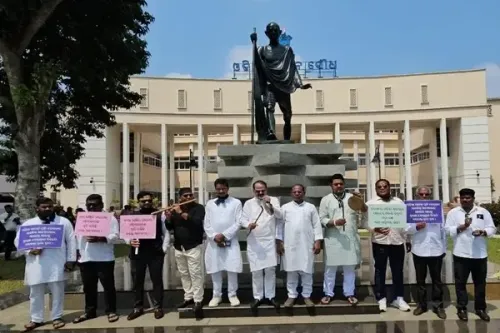
BJP welcomed the ruling; BJD and Congress said they will explore legal options.
Odisha Legislative Assembly Speaker Surama Padhy on Monday, 22 June rejected separate petitions filed by the opposition Biju Janata Dal (BJD) and Congress seeking the disqualification of 11 legislators who allegedly cross-voted in favour of a Bharatiya Janata Party (BJP)-backed candidate during the biennial Rajya Sabha elections held in March this year. The decision deals a significant blow to the two opposition parties, which had accused the rebel MLAs of defying party whips.
Why the Petitions Were Dismissed
Speaker Padhy stated that the applications were rejected because the petitioners failed to produce sufficient facts as required under sub-rules 6 and 7 of Rule 6 of the Members of Odisha Legislative Assembly (Disqualification on Ground of Defection) Rules, 1987. The petitions were dismissed under Rule 7(2).
Specifically, the petitioners did not file the mandatory affidavit in support of their applications. The annexures attached to the petitions were also found to be neither duly signed nor verified — both of which are non-negotiable procedural requirements. The Speaker described the petitions as 'cryptic, vague, and unsubstantiated', finding them unfit for adjudication on merits.
Who the 11 Legislators Are
The disqualification bids targeted eight BJD MLAs — including two suspended party legislators — and three Congress MLAs. All 11 were accused of cross-voting in favour of BJP-supported candidate Dilip Ray during the Rajya Sabha polls, in defiance of whips issued by their respective parties. The rebel legislators were also reportedly accused of publicly speaking against their party leaderships, compounding the disciplinary concerns raised by the opposition.
Political Reactions
The ruling BJP welcomed Speaker Padhy's ruling, viewing it as a procedural vindication. The opposition BJD and Congress, however, sharply criticised the decision, calling it a setback to constitutional accountability. Both parties indicated they would explore legal options, including potentially approaching the courts, to challenge the Speaker's order.
The episode underscores a broader tension in Indian legislative politics: anti-defection proceedings are often constrained by procedural thresholds that can be difficult for petitioners to meet, leaving cross-voting episodes in a legal grey zone. This is not the first time a Speaker's ruling on defection petitions has been challenged in higher courts across Indian states.
What Happens Next
With the Speaker's door now closed, the BJD and Congress are expected to weigh a judicial challenge before the Orissa High Court or escalate to the Supreme Court. The 11 MLAs in question retain their seats for now. How the opposition pursues this matter legally will be closely watched, given the implications for anti-defection enforcement in Odisha.
Point of View
Rather than on the merits of cross-voting, is a recurring pattern in Indian anti-defection jurisprudence — and it is one that consistently advantages the ruling party. When petitions fail on technicalities, the substantive question of whether elected legislators violated their constitutional mandate goes unanswered. The BJD and Congress must own part of this outcome: filing deficient petitions in a high-stakes disqualification case reflects either haste or poor legal preparation. The deeper issue is that anti-defection proceedings in India remain slow, procedurally onerous, and ultimately dependent on a Speaker who is rarely a neutral arbiter. Until the Supreme Court's long-pending suggestions on reforming the Speaker's role in defection cases are acted upon, outcomes like this will remain the norm.
NationPress
21 Sept 2026
Frequently Asked Questions
Why did the Odisha Speaker reject the BJD and Congress disqualification petitions?
Speaker Surama Padhy rejected the petitions because the petitioners did not file a mandatory affidavit, left annexures unsigned and unverified, and failed to provide sufficient facts as required under Rules 6(6) and 6(7) of the Odisha Legislative Assembly (Disqualification on Ground of Defection) Rules, 1987. The petitions were dismissed under Rule 7(2) as 'cryptic, vague, and unsubstantiated'.
Which MLAs were sought to be disqualified and why?
Eight BJD MLAs — including two suspended party legislators — and three Congress MLAs were targeted for allegedly cross-voting in favour of BJP-backed Rajya Sabha candidate Dilip Ray during the March 2025 biennial elections, in defiance of party whips. The rebel MLAs were also accused of publicly speaking against their party leaderships.
What legal options do BJD and Congress have now?
Both parties have indicated they will explore legal avenues to challenge the Speaker's ruling. This could include approaching the Orissa High Court or the Supreme Court, which has previously ruled on the limits of Speakers' powers in anti-defection matters.
What is the significance of the Odisha anti-defection rules cited in the ruling?
The Members of Odisha Legislative Assembly (Disqualification on Ground of Defection) Rules, 1987 set mandatory procedural requirements for disqualification petitions, including a sworn affidavit and duly signed annexures. Failure to meet these requirements allows a Speaker to dismiss a petition without examining the underlying defection allegation on its merits.
How did the BJP respond to the Speaker's decision?
The ruling BJP welcomed the Speaker's decision. The party had backed Dilip Ray as its Rajya Sabha candidate in the March elections, and the cross-voting by BJD and Congress MLAs in his favour had already helped secure the outcome it sought.