Is the Opposition Right to Call SIR a 'Human Tragedy'?
Synopsis
The opposition has intensified its criticism of the Special Intensive Revision (SIR) initiative, dubbing it a 'human tragedy' after multiple Booth-Level Officers (BLOs) reportedly died by suicide. With urgent calls for discussion in Parliament, the situation highlights the significant pressures faced by these officers. Will the government respond?
Key Takeaways
Opposition labels SIR as a human tragedy.
Multiple BLOs have reportedly died by suicide.
Calls for urgent parliamentary discussions are growing.
Concerns over electoral integrity are being raised.
Government faces pressure to address mental health issues.
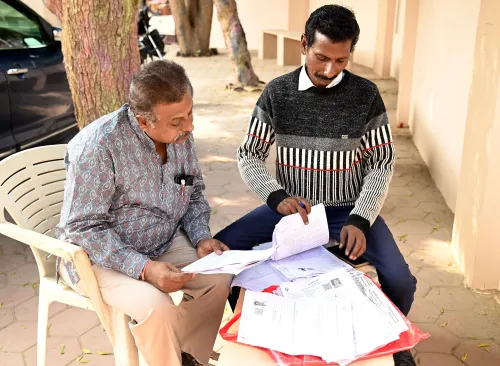
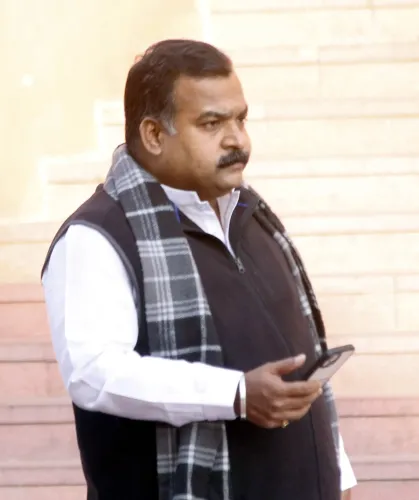
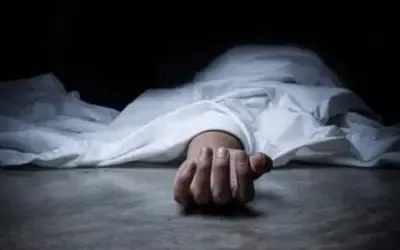
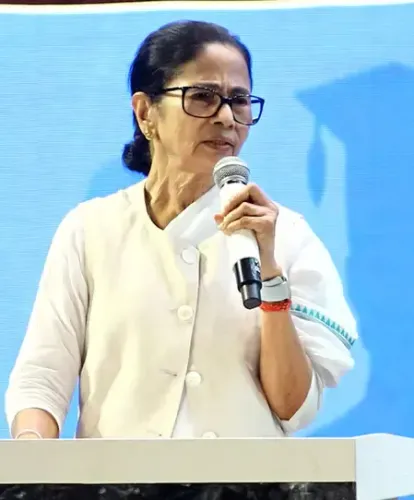
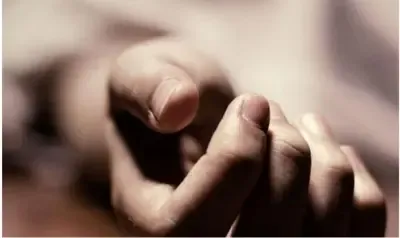
New Delhi, Dec 2 (NationPress) Opposition factions escalated their denunciation of the Special Intensive Revision (SIR) initiative, labeling it a “human tragedy” after reports surfaced regarding multiple Booth-Level Officers (BLOs) purportedly taking their own lives due to overwhelming work pressures. They have urgently called for a discussion on the matter in Parliament.
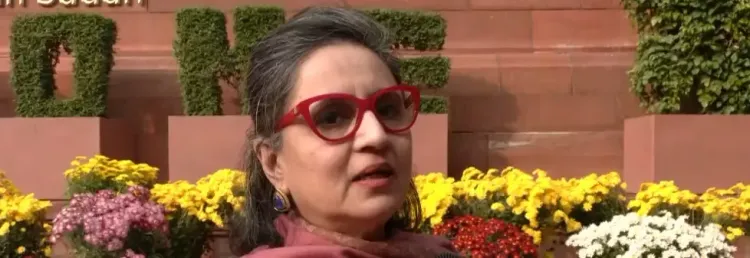
Speaking to the media outside Parliament, Trinamool Congress MP Sagarika Ghose stated: “Due to the government’s policies, an atmosphere of distrust has emerged. We have not received any assurance regarding when or if our call for a discussion on SIR will even be addressed. SIR has turned into a human tragedy. With SIR, lives are at risk. Parliament cannot remain silent in light of such a calamity.”
Trinamool MP Kirti Azad also expressed alarm, accusing the government of electoral tampering.
“There is no doubt that there has been ‘vote theft.’ The government is pilfering votes and continues to do so. If everything is transparent, why is the government hesitant to discuss SIR in Parliament?”
Congress MP Jebi Mather echoed the call for debate.
“The Congress party and the opposition are protesting because our demands are valid. We seek a discussion on electoral reforms, particularly regarding SIR. What hinders the government? What are they afraid of? They could easily set a date and time.”
Shiv Sena-UBT MP Priyanka Chaturvedi voiced concerns about the treatment of BLOs.
“If you wish to conduct SIR, first evaluate how it is being executed. Over 30 BLOs have perished, some by suicide. This showcases the immense pressure and unattainable targets imposed on them. Yet, there is no opportunity for a substantial discussion. Those pretending to uphold democracy cannot lecture us. The Election Commission, agencies, and even the Constitution are being undermined,” Chaturvedi stated to IANS.
Samajwadi Party MP Ziaur Rahman Barq questioned the assertions of political agreement.
“Where was the consensus? It did not exist. The only accord was prior to the Bihar elections, not before the Jammu and Kashmir elections. Observing the Bihar results illuminated the impact of SIR and its potential implications for the future. We are not opposed to SIR as a concept, but we fiercely contest attempts to utilize it as a means to diminish opposition votes.”
From the outset, the second day of the Parliament's Winter Session was characterized by protests and demonstrations as members of the opposition maintained pressure on the government regarding SIR and electoral reforms.
Numerous lawmakers from opposition parties gathered in the Parliament precincts, prior to the session’s commencement, wielding placards and banners demanding immediate dialogue in the House concerning the Election Commission of India’s “biased and partisan” voter verification initiative, currently active in 12 states and Union Territories (UTs).
Leader of Opposition in the Lok Sabha, Rahul Gandhi, his Rajya Sabha counterpart and Congress President, Mallikarjun Kharge, alongside party MP Priyanka Gandhi Vadra, spearheaded the agitation, holding the government accountable for “voter fraud” and “electoral rolls manipulation” under the pretense of the SIR initiative. Sonia Gandhi, Chairperson of the Congress Parliamentary Party, also participated in the protest.
The banners displayed by opposition MPs proclaimed—“End SIR, stop vote theft,” indicating their unwavering demands for discussion on SIR and electoral reforms, an issue that resulted in the washout of the first day of Parliament.
Kharge, addressing the media, asserted that their struggle against injustice and the attempt to “silence democracy” would persist.
The SIR, characterized by the ECI as a critical “voter purge” exercise ahead of elections, has created a stark divide between the government and opposition—evident on Day 1 of Parliament.
The Rajya Sabha erupted in a heated exchange as Leader of Opposition Kharge insisted on an immediate dialogue regarding the SIR of electoral rolls currently in effect across 12 poll-bound states and Union Territories, including West Bengal, Tamil Nadu, and Kerala.
Invoking Rule 267 for an adjournment motion, he underscored alleged irregularities that he claimed have resulted in no fewer than 30 fatalities, accusing the government of disenfranchising marginalized voters and undermining democracy.
In an impassioned address, Kharge, joined by the leaders of the INDIA bloc, presented the opposition's notices. “Today, we have submitted notice under Rule 267 for a special discussion on the intensive revision taking place in 12 states and UTs,” he proclaimed, enumerating the names and subjects of notices from Congress and allied MPs.
He expressed dismay over the breach of parliamentary tradition, noting that, unlike in the Lok Sabha—where notices are routinely acknowledged—these were abruptly disregarded.
“Our members have submitted names and subjects, yet suddenly, those who provided notices are not even recognized. I do not wish to embarrass you, but you’ve been observing only one side—you’re not seeing the full picture,” Kharge said, directing his remarks pointedly at Chairman C.P. Radhakrishnan, provoking murmurs from the Treasury benches.
Point of View
The current situation surrounding the SIR initiative raises serious questions about the treatment of Booth-Level Officers and the overall integrity of our electoral processes. The opposition's concerns highlight the need for transparency and dialogue, especially regarding the mental health and well-being of those tasked with upholding democracy. It's imperative that we listen to all voices in this critical time.
NationPress
30 Sept 2026
Frequently Asked Questions
What is the Special Intensive Revision (SIR)?
The Special Intensive Revision (SIR) is an electoral process aimed at updating and verifying voter rolls in preparation for upcoming elections.
Why are opposition parties criticizing SIR?
Opposition parties criticize SIR due to alleged electoral manipulation and the personal toll it has taken on Booth-Level Officers, with reports of suicides linked to work-related stress.
What are Booth-Level Officers (BLOs)?
Booth-Level Officers (BLOs) are officials responsible for overseeing the electoral process at a grassroots level, ensuring accurate voter registration and verification.
What has been the response of the government to these allegations?
The government's response has been to maintain that SIR is essential for electoral integrity, but it has faced mounting pressure from opposition parties for dialogue and transparency.
How can the public get involved in the discussion about SIR?
The public can engage in discussions through social media, local forums, and by contacting their elected representatives to express their views on the SIR initiative and its implications.