Pakistan Supreme Court confirms death sentence for Christian man Qaiser Ayub in blasphemy case
Synopsis
Pakistan's Supreme Court has confirmed the death sentence for Christian man Qaiser Ayub in a blasphemy case — while acquitting his brother from the same evidence. With very few legal options left, the verdict has reignited global scrutiny of Pakistan's blasphemy laws, which a fresh HRCP report says are being systematically weaponised against minorities.
Key Takeaways
Pakistan's Supreme Court upheld the death sentence for Qaiser Ayub , a Christian man, in a blasphemy case linked to a website he claims he abandoned in 2009 .
The same bench acquitted his younger brother Amoon Ayub , who had spent nearly 12 years in prison, citing insufficient evidence from the same evidentiary record.
Both brothers were arrested in 2014 ; a trial court sentenced them to death in 2018 , confirmed by the Lahore High Court in 2022 .
UK-based advocacy group CLAAS has called for exhausting every remaining legal option on Qaiser's behalf.
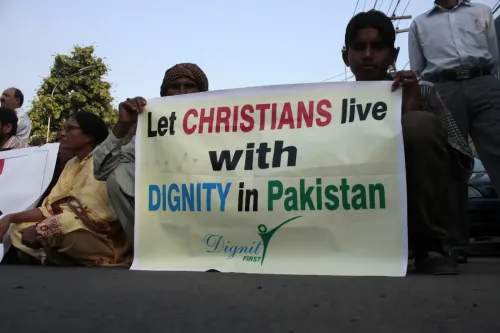
The HRCP report 'Sanctuary Denied' documents systematic persecution of minorities in Pakistan, including forced marriages of Hindu and Christian girls and ongoing misuse of blasphemy laws.
Extremist attacks on the Ahmadiyya community in Chenab Nagar and threats to a Hindu rights activist in Sindh were also documented in the same report.
Pakistan's Supreme Court has upheld the death sentence against Qaiser Ayub, a Christian man convicted under the country's blasphemy laws, leaving him with very few remaining legal avenues. The same bench, however, acquitted his younger brother Amoon Ayub on grounds of insufficient evidence — a starkly divergent outcome from an identical evidentiary record that has drawn sharp scrutiny from human rights observers.
How the Case Unfolded
The case traces back to 2011, when allegations surfaced that blasphemous material had appeared on a website linked to Qaiser Ayub. He has consistently maintained that he had shut down the website in 2009 and that an unknown third party reactivated it, leaving his name in the copyright notice. According to Qaiser, the offending content was posted by someone exploiting an abandoned site — a claim that the prosecution did not conclusively refute, according to reporting in Bitter Winter by Sahara Alexander.
Both brothers were arrested in 2014. A trial court sentenced them to death in 2018, and the Lahore High Court confirmed the convictions in 2022. The prosecution's case rested largely on electronic evidence, the authentication methods for which human rights groups have questioned.
The Contradictory Verdict
The Supreme Court's decision to acquit Amoon Ayub — after he had spent nearly 12 years in prison — while simultaneously confirming his brother's death penalty from the same pool of evidence has drawn significant attention. Human rights activists argue the two outcomes cannot logically coexist: if the evidence was deemed insufficient for one brother, observers question how it could be strong enough to sustain a death sentence for the other.
The Centre for Legal Aid, Assistance and Settlement (CLAAS), a UK-based organisation that supported both men throughout the legal process, has voiced serious concern over the ruling and called for exhausting every remaining legal option on Qaiser's behalf.
Systemic Persecution of Religious Minorities
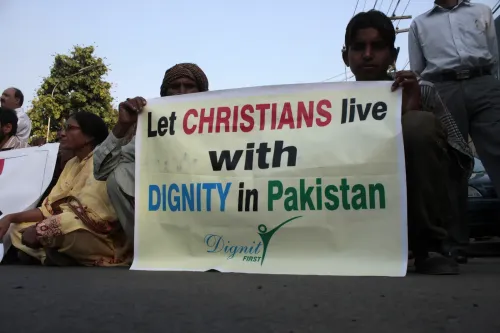
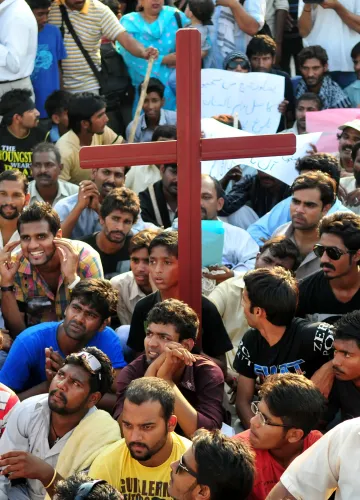
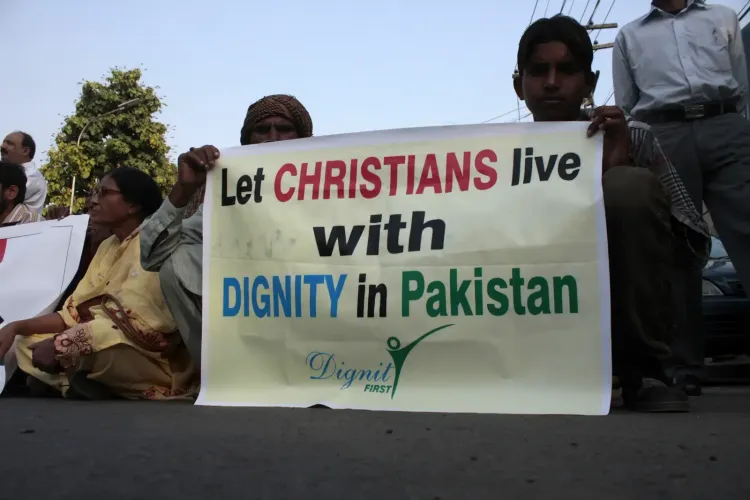
The ruling comes amid a wider crisis documented by the Human Rights Commission of Pakistan (HRCP). In its latest report, titled 'Sanctuary Denied: Freedom of Religion or Belief in 2025/26', the HRCP stated that Pakistan's religious minorities continue to face 'systematic persecution, discrimination and denial of equal rights.'
The report specifically flagged the abduction and forced marriages of Hindu and Christian girls, ongoing blasphemy prosecutions, and extremist attacks as evidence of persistent failures to protect vulnerable communities. It noted that girls from minority communities 'continued to disappear and be coerced into wedlock by older Muslim men,' with weak police responses and poverty compounding victims' hardships.
Notably, the report also documented that a Hindu human rights activist alleged receiving threats from a right-wing party over his activism against forced marriages of Hindu girls in Sindh.
Blasphemy Laws Under Scrutiny
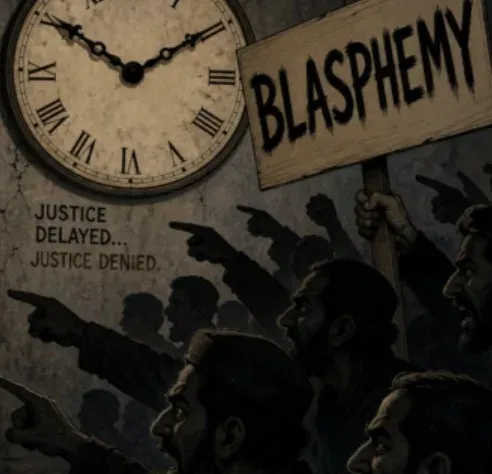
The HRCP report highlighted the persistent misuse of Pakistan's blasphemy statutes, noting that hundreds of accused individuals remain in legal limbo while an alleged organised entrapment network has yet to be investigated by authorities. The commission described the pattern as driven by 'personal vendetta, extortion and misguided religiosity.'
Attacks on the Ahmadiyya community, including two extremist incidents in Chenab Nagar, and efforts to exclude Ahmadis from public and commercial life were also documented. Remarkably, the report noted that an influential scholar from the majority faith was also accused of blasphemy after making comments about Christianity — underscoring how broadly the law is being weaponised.
What Comes Next
With the Supreme Court appeal exhausted, Qaiser Ayub's legal team and advocacy groups face an increasingly narrow set of options, which could include mercy petitions or international diplomatic pressure. The case has drawn attention from global religious freedom organisations and is likely to intensify calls for a review of Pakistan's blasphemy law framework.
Point of View
It is difficult to reconcile on what legal basis it sustains a death sentence for his brother. This is not an anomaly — it is symptomatic of a system where blasphemy prosecutions routinely bypass the standard of proof applied elsewhere. The HRCP report's finding that hundreds remain in legal limbo, and that an organised entrapment network has gone uninvestigated, points to institutional unwillingness rather than incapacity. International pressure has historically been Pakistan's only lever of accountability in such cases, and even that has had limited effect.
NationPress
9 Nov 2026
Frequently Asked Questions
Who is Qaiser Ayub and what is he accused of?
Qaiser Ayub is a Pakistani Christian man sentenced to death for blasphemy after allegations that blasphemous material appeared on a website linked to his name in 2011. He has maintained that he had shut the website down in 2009 and that a third party reactivated it and posted the offending content without his knowledge.
Why was Amoon Ayub acquitted while his brother was sentenced to death?
Pakistan's Supreme Court found the evidence insufficient to sustain Amoon Ayub's conviction and acquitted him after nearly 12 years in prison. Critics and human rights activists have questioned how the same evidentiary record could lead to a death sentence for Qaiser Ayub while being deemed too weak to convict his brother.
What legal options does Qaiser Ayub have now?
With the Supreme Court appeal dismissed, Qaiser Ayub has very few options remaining. These could include filing a mercy petition or seeking international diplomatic intervention. UK-based advocacy group CLAAS has called for exhausting every available legal avenue on his behalf.
What does the HRCP report say about religious minorities in Pakistan?
The Human Rights Commission of Pakistan's report 'Sanctuary Denied: Freedom of Religion or Belief in 2025/26' states that religious minorities face systematic persecution, including forced marriages of Hindu and Christian girls, blasphemy prosecutions, and extremist attacks. It also documents attacks on the Ahmadiyya community and threats to activists working on minority rights.
How widely are Pakistan's blasphemy laws misused?
According to the HRCP, hundreds of people accused of blasphemy remain in legal limbo in Pakistan, while an alleged organised entrapment network has yet to be investigated. The commission described recurring patterns of personal vendetta, extortion, and misguided religiosity driving blasphemy accusations against minorities and even members of the majority faith.