Pakistan SC upholds Christian man Qaiser Ayub's death sentence for blasphemy
Synopsis
Pakistan's Supreme Court has confirmed the death sentence of Christian man Qaiser Ayub for blasphemy, while acquitting his brother on identical charges from the same case — a contradiction that defence lawyers call 'devastating.' Set against a sweeping HRCP report documenting systemic persecution of Pakistan's religious minorities, the ruling intensifies global scrutiny of Islamabad's blasphemy laws.
Key Takeaways
Pakistan's Supreme Court upheld the death sentence of Christian man Qaiser Ayub for blasphemy on 16 October 2026 .
The court simultaneously acquitted his younger brother Amoon on identical charges from the same case, prompting sharp questions from defence lawyers about evidentiary consistency.
Nasir Saeed of CLAAS demanded that the government spare Qaiser's life and strengthen safeguards against misuse of blasphemy laws.
The Human Rights Commission of Pakistan (HRCP) reported 36 abductions of underage Hindu girls in 2025 and 32 in the first seven months of 2026 , according to activist Faqir Shiva Kachhi .
The HRCP also documented two extremist attacks on the Ahmadiyya community in Chenab Nagar and described growing efforts to exclude Ahmadis from public life.
Pakistan's Supreme Court has upheld the death sentence of Qaiser Ayub, a Christian man convicted of blasphemy for allegedly defiling the name of Prophet Muhammad, drawing sharp condemnation from his defence lawyers who called the ruling 'devastating.' The verdict, widely reported on 16 October 2026, came alongside the court's acquittal of Qaiser's younger brother, Amoon, on an identical charge — a contrast that lawyers say raises serious questions about evidentiary consistency.
The Case Against the Brothers
Qaiser Ayub and Amoon, both Pakistani Christians, were originally convicted and sentenced to death in 2018 on charges of publishing blasphemous content on a website registered in Qaiser's name. Qaiser has maintained that he shut the website down in 2009 and that it was subsequently revived by a Muslim acquaintance, who retained his name in the copyright details. Both brothers were convicted largely on digital evidence drawn from a seized laptop.
Lawyers Question Unequal Application of Evidence
The defence team welcomed Amoon's acquittal but expressed deep concern over how the same body of evidence led to two starkly different outcomes. Nasir Saeed, Director of the Centre for Legal Aid, Assistance and Settlement (CLAAS), was quoted as saying: 'If the evidence against one brother was insufficient, how can the other be sent to the gallows based on evidence from the same case?'
Saeed stressed that digital evidence of the kind used in this case demands the highest standards of forensic verification. He urged the Pakistani government to spare Qaiser's life, called for stronger safeguards against the misuse of blasphemy laws, and demanded that accusers be held accountable in cases of wrongful implication, according to reports citing Barnabas Aid.
HRCP Flags Systematic Persecution of Minorities
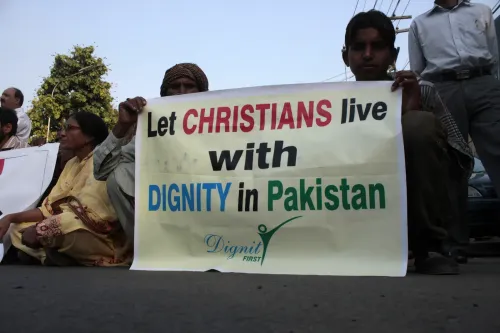
The verdict arrives as the Human Rights Commission of Pakistan (HRCP) has sounded fresh alarm over the state of religious minorities in the country. In its latest report, titled Sanctuary Denied: Freedom of Religion or Belief in 2025/26, the HRCP documented what it described as systematic persecution, discrimination, and a denial of equal rights affecting Christian, Hindu, and Ahmadiyya communities.
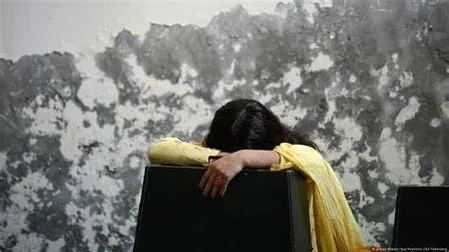
The report highlighted the ongoing abduction and forced marriage of girls from minority communities, noting that poverty and weak police responses have compounded the victims' vulnerabilities. The HRCP cited the case of Faqir Shiva Kachhi, a Hindu minority rights activist from Sindh who has spent nearly a decade fighting forced conversions of underage Hindu girls, reportedly including threats from a right-wing party for his activism.
According to data cited by Kachhi and referenced in the HRCP report, 36 underage Hindu girls were abducted in 2025, with 32 further cases reported in just the first seven months of 2026. 'And these are the ones we know of. There might have been countless others,' Kachhi was quoted as saying. He added that activists are often forced to stage sit-ins outside police stations simply to get a First Information Report registered.
Blasphemy Laws and the Ahmadiyya Community
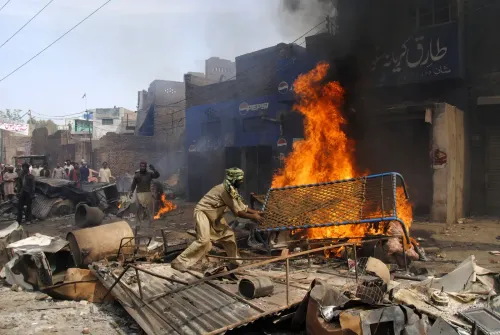
The HRCP report also documented that hundreds of people accused of blasphemy in Pakistan remain in legal limbo, while those allegedly running organised entrapment networks have yet to face investigation. It further recorded two extremist attacks on the Ahmadiyya community in Chenab Nagar, alongside what it described as increasingly overt efforts to exclude Ahmadis from public and commercial life.
With Qaiser Ayub's execution sentence now confirmed by the country's highest court, human rights groups are expected to intensify international pressure on Islamabad to reform its blasphemy legislation and ensure due process protections for minority defendants.
Point of View
The answer has been no.
NationPress
16 Oct 2026
Frequently Asked Questions
Who is Qaiser Ayub and why was he sentenced to death?
Qaiser Ayub is a Pakistani Christian man sentenced to death in 2018 for allegedly publishing blasphemous content on a website registered in his name. He claims he shut the website in 2009 and that it was later revived by a Muslim acquaintance who retained his name in the copyright details.
Why are lawyers calling the Pakistan Supreme Court ruling 'devastating'?
Defence lawyers are alarmed because the court acquitted Qaiser's brother Amoon on identical charges stemming from the same case, yet upheld Qaiser's death sentence. CLAAS Director Nasir Saeed argued that if the evidence was insufficient to convict one brother, it should not be sufficient to send the other to the gallows.
What does the HRCP report say about Pakistan's religious minorities?
The Human Rights Commission of Pakistan's 2025/26 report, titled 'Sanctuary Denied', documents systematic persecution of Christian, Hindu, and Ahmadiyya communities, including forced marriages of underage girls, blasphemy entrapment cases, and extremist attacks. It recorded 36 abductions of underage Hindu girls in 2025 and 32 more in the first seven months of 2026.
What reforms are human rights groups demanding in Pakistan?
Rights groups, including CLAAS, are demanding that the government spare Qaiser Ayub's life, introduce stronger safeguards against the misuse of blasphemy laws, hold false accusers accountable, and ensure proper police response to abductions of minority girls. The HRCP has also called for protection of the Ahmadiyya community from extremist attacks.
What is the situation for the Ahmadiyya community in Pakistan?
According to the HRCP's latest report, the Ahmadiyya community faced two extremist attacks in Chenab Nagar, alongside increasingly organised efforts to exclude Ahmadis from public and commercial life. Hundreds of people accused under blasphemy provisions more broadly remain in legal limbo with no resolution in sight.