Balochistan rights groups allege extrajudicial killing, 2 enforced disappearances by Pakistani forces
Synopsis
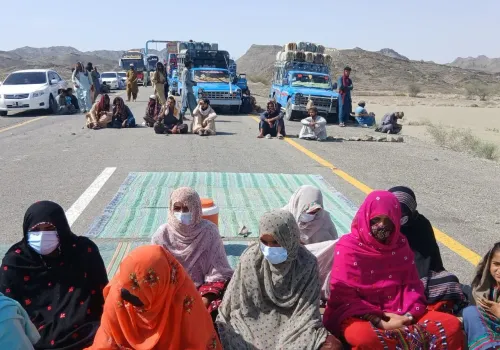
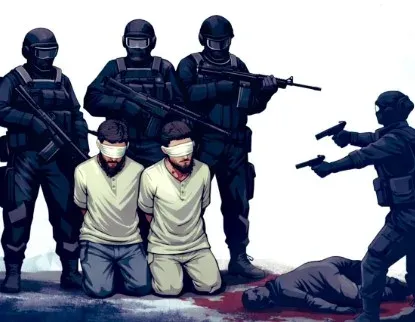
Two Balochistan rights groups have alleged that Pakistani forces killed a 28-year-old civilian and forcibly disappeared two students in separate June incidents. With international access to the province restricted and families left without answers, the cases add to a documented pattern that global rights bodies have repeatedly flagged — and Islamabad has yet to credibly address.
Key Takeaways
The Baloch Yakjehti Committee (BYC) alleged the body of Saddam, 28 , was dumped in the D-Baloch area, Turbat, Kech district on Friday, 12 June .
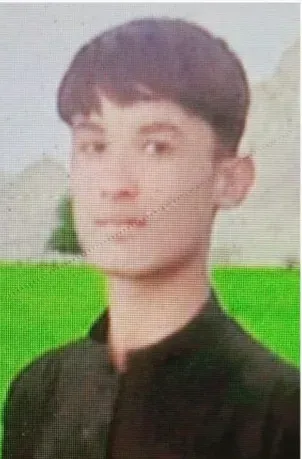
The Baloch Voice for Justice (BVJ) alleged students Shukrullah, 19 , and Zubair Baloch, 20 , were forcibly disappeared from Dalbandin on 4 June .
Both organisations have called on international human rights bodies and journalists to take notice of the incidents.
Pakistani authorities have not publicly responded to the specific allegations; independent verification remains difficult due to restricted access in the province.
The UN Working Group on Enforced or Involuntary Disappearances has previously flagged Pakistan over unresolved cases from Balochistan.
Human rights organisations in Balochistan have alleged the extrajudicial killing of a 28-year-old civilian and the enforced disappearance of two students, reportedly at the hands of Pakistani forces, in separate incidents that have drawn fresh condemnation from civil society groups. The allegations, surfaced on Saturday, 13 June, come as violence against civilians in the restive province continues to draw international scrutiny.
Body Found in Turbat, Kech District
The Baloch Yakjehti Committee (BYC), a prominent human rights body, alleged that the body of Saddam, aged 28, was dumped on Friday in the D-Baloch area of the Turbat region in Kech district. The circumstances of his death, according to the BYC, have raised serious alarm among local residents and human rights observers.
“The killing of Saddam is yet another tragic addition to the ongoing pattern of violence and human rights abuses in Balochistan. Families across the region continue to endure the pain of losing their loved ones while being denied justice,” the BYC stated.
The organisation condemned what it described as a recurring pattern, noting that “the repeated occurrence of such incidents reflects a deeply alarming situation in which civilians remain vulnerable and affected families are left to bear the burden of grief and uncertainty.”
Two Students Allegedly Disappeared from Dalbandin
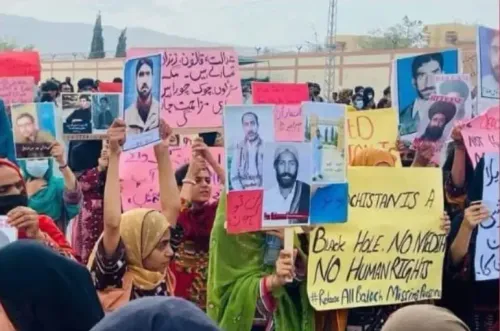
In a separate case, the Baloch Voice for Justice (BVJ) alleged that two students — Shukrullah, aged 19, and Zubair Baloch, aged 20 — were forcibly disappeared by Pakistani forces on 4 June from the Dalbandin area of Balochistan. The families of both individuals reportedly remain without any information about their whereabouts or condition.
The BVJ reiterated that enforced disappearance constitutes a grave violation of fundamental human rights and the rule of law. “Every individual has the right to liberty, due process, and protection from arbitrary detention. The voices of the families seeking truth and justice must be heard,” the body said.
Calls for International Attention
Both organisations have urged international human rights bodies, journalists, and global institutions to take serious notice of the incidents. The BYC specifically called on international organisations to address what it described as the broader, systemic pattern of human rights abuses in Balochistan.
This comes amid a long-running conflict in Pakistan’s largest province by area, where enforced disappearances and alleged extrajudicial killings have been documented by groups including Human Rights Watch and Amnesty International over multiple years. Pakistani authorities have historically denied systematic wrongdoing, though independent verification from the region remains difficult due to restricted access for journalists and investigators.
Broader Pattern of Alleged Abuses
Balochistan has been the site of a long-standing low-intensity insurgency, with rights groups consistently alleging that security forces conduct operations resulting in civilian casualties and disappearances without due process. The UN Working Group on Enforced or Involuntary Disappearances has previously flagged Pakistan over unresolved cases from the province. Notably, the incidents involving Saddam, Shukrullah, and Zubair Baloch represent only the most recently reported cases in what advocacy groups describe as a persistent and widening crisis.
As international pressure on Islamabad over Balochistan’s human rights record grows, rights organisations say the onus remains on Pakistani authorities to account for the missing and to ensure independent investigations into alleged extrajudicial killings.
Point of View
Multi-year pattern that international rights bodies have repeatedly placed on record. What is striking is the near-total impunity: no credible independent investigation mechanism exists in Balochistan, and Islamabad’s standard denial-without-inquiry response has gone largely unchallenged by its international partners. Pakistan’s status as a recipient of multilateral aid and a participant in UN human rights mechanisms creates an accountability gap that advocacy groups have long argued must be closed. The restriction of press and investigator access to the province is itself a governance failure that enables the cycle to continue.
NationPress
14 Sept 2026
Frequently Asked Questions
What did rights groups allege about Pakistani forces in Balochistan?
The Baloch Yakjehti Committee (BYC) alleged that Pakistani forces were responsible for the extrajudicial killing of a 28-year-old civilian named Saddam, whose body was found in the Turbat region on 12 June. Separately, the Baloch Voice for Justice (BVJ) alleged that two students, Shukrullah and Zubair Baloch, were forcibly disappeared from Dalbandin on 4 June.
Who are the victims named in the latest Balochistan incidents?
The three individuals named are Saddam, 28, whose body was recovered in the D-Baloch area of Kech district; and students Shukrullah, 19, and Zubair Baloch, 20, who were allegedly disappeared from the Dalbandin area. All three cases were reported by human rights organisations on 13 June.
What are the Baloch Yakjehti Committee and Baloch Voice for Justice?
Both are human rights organisations that document alleged abuses against civilians in Balochistan, Pakistan. The BYC and BVJ regularly report cases of enforced disappearances and extrajudicial killings, and have called on international bodies to investigate the situation in the province.
Has Pakistan responded to these allegations?
Pakistani authorities have not publicly responded to these specific allegations. Islamabad has historically denied systematic wrongdoing in Balochistan, though independent verification remains difficult due to restricted access for journalists and investigators in the region.
Why does Balochistan face recurring human rights concerns?
Balochistan has been the site of a long-running insurgency, with rights groups alleging that security operations regularly result in civilian casualties and disappearances without due process. The UN Working Group on Enforced or Involuntary Disappearances has previously flagged Pakistan over unresolved cases from the province, and organisations such as Human Rights Watch and Amnesty International have documented abuses over multiple years.