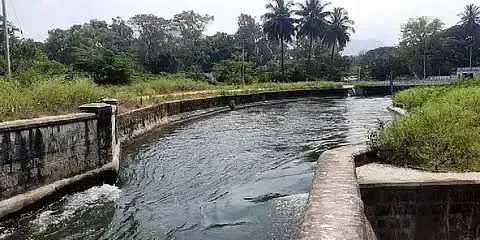
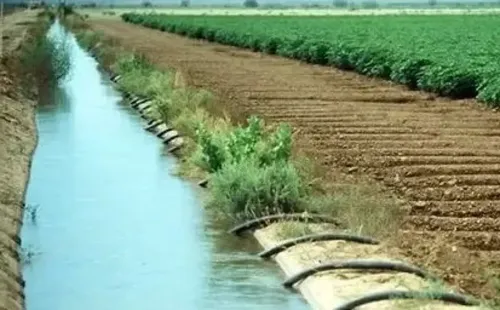
PAP tail-end farmers in Tiruppur hit by water shortage, illegal diversion suspected
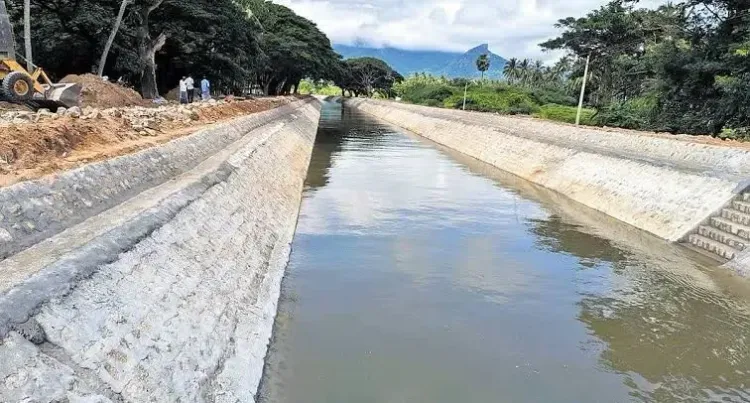
Synopsis
Tail-end farmers under the Parambikulam-Aliyar Project in Tiruppur received just 122 cusecs against a promised 141 cusecs, with water taking 70 hours to arrive instead of the usual 24. Illegal tapping through underground pipelines and borewells is suspected — and official inspections have begun, but farmers say only continuous enforcement will fix a problem that appears deeply entrenched.
Key Takeaways
Farmers under the Parambikulam-Aliyar Project (PAP) in Tiruppur district allege large-scale illegal diversion of irrigation water.
Water from Thirumoorthy Dam took nearly 70 hours to reach tail-end areas, compared with the earlier norm of 24 hours .
Actual inflow at the Vellakovil branch canal on Saturday was 122 cusecs , well below the promised 141 cusecs .
Water Resources Department officials inspected the canal starting point at Illiyampudur ; discussions also involved Kangeyam police .
Farmers have demanded continuous monitoring and effective enforcement to prevent recurring water theft.
Farmers dependent on the Parambikulam-Aliyar Project (PAP) in Tamil Nadu's Tiruppur district are facing acute irrigation shortages, with agricultural communities in tail-end regions alleging large-scale illegal diversion of water through unauthorised pipelines, canal connections, and borewells. The crisis has prompted demands for immediate government intervention and intensified enforcement along the project's extensive canal network.
What Went Wrong With Water Distribution
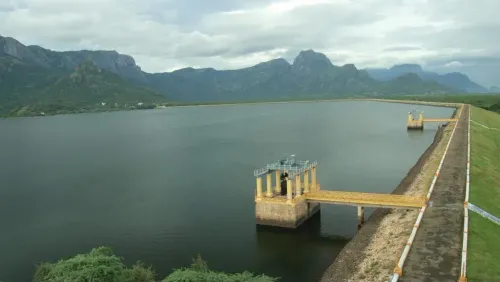
The situation deteriorated following the release of water from Thirumoorthy Dam on Thursday for the project's second irrigation zone. Although the water was expected to flow through the distribution network without significant delay, it took nearly 70 hours to reach tail-end areas — a stark contrast to the earlier norm of approximately 24 hours. Even upon arrival, the supply was described as inadequate by affected farmers.
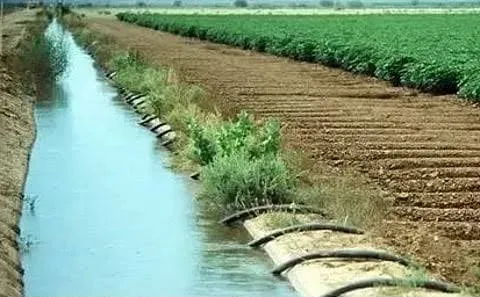
Agricultural representatives noted that the prolonged transit time has raised strong suspicions of illegal tapping at multiple points along the Vellakovil branch canal. Specifically, farmers allege that underground pipelines, unauthorised canal crossings, and borewells drilled near the main and branch canals are siphoning off water before it reaches its intended beneficiaries.
The Shortfall in Promised Supply
Farmers' organisations stated that authorities had committed to supplying 141 cusecs (cubic feet per second) of water to the Vellakovil branch canal during the second-zone irrigation schedule — an increase from the earlier allocation of 131 cusecs. However, the actual inflow recorded on Saturday stood at only 122 cusecs, considerably below both the revised and original promised quantities.
Farmers demanded a full explanation for the shortfall and called for immediate steps to restore uninterrupted irrigation supplies. They also accused the joint monitoring committee of failing to take effective action against illegal extractions, despite repeated complaints.
Official Response and Inspection
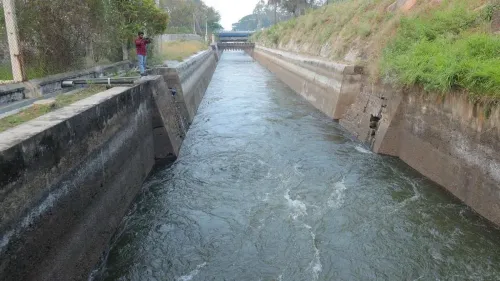
Following the escalating complaints, Water Resources Department officials conducted an inspection at the starting point of the Vellakovil branch canal at Illiyampudur on Saturday to assess water flow and identify possible irregularities. Farmers from affected areas gathered at the site and directly questioned officials over the inadequate supply.
The situation also triggered discussions involving revenue authorities, Water Resources Department personnel, and Kangeyam police. Officials acknowledged the complaints, stating that corrective measures were under way and that the joint monitoring committee had intensified surveillance under the district administration's directions to prevent water theft.
Farmers Demand Continuous Enforcement
Farmers, however, insisted that one-off inspections are insufficient. They maintained that effective enforcement and continuous monitoring are essential to ensure that allocated irrigation water reaches tail-end agricultural lands. This comes amid broader concerns about the monitoring of PAP's extensive canal network, with farmers arguing that lapses in oversight have allowed illegal extraction to become entrenched.
Notably, the PAP serves a large agricultural belt across multiple districts in Tamil Nadu, making equitable distribution a perennial governance challenge. The current crisis adds to pressure on water management authorities to overhaul surveillance mechanisms before the season's remaining irrigation cycles begin.
Point of View
Not a one-season anomaly. The PAP canal network is extensive and difficult to police, but a 70-hour delivery delay — against a 24-hour benchmark — and a shortfall of nearly 20 cusecs against promise suggest that illegal extraction has become systemic rather than sporadic. The joint monitoring committee's response so far has been reactive; what farmers are demanding is a preventive enforcement architecture. Unless authorities move from inspection-on-complaint to continuous surveillance, tail-end farmers will continue absorbing the losses that mid-canal illegal tappers generate — and each delayed season risks permanent damage to cropping cycles for the most vulnerable cultivators.
NationPress
8 Nov 2026
Frequently Asked Questions
What is the Parambikulam-Aliyar Project (PAP) and who does it serve?
The Parambikulam-Aliyar Project is a major inter-state irrigation scheme serving an extensive agricultural belt in Tamil Nadu, including Tiruppur district. It distributes water through a network of canals, including the Vellakovil branch canal, to support farming across multiple irrigation zones.
Why are Tiruppur farmers alleging illegal diversion of PAP water?
Farmers allege that water released from Thirumoorthy Dam for the second irrigation zone took nearly 70 hours to reach tail-end areas instead of the usual 24 hours, and arrived at only 122 cusecs against a promised 141 cusecs. They suspect illegal tapping through underground pipelines, unauthorised canal connections, and borewells near the main and branch canals is responsible for the shortfall.
What action have authorities taken in response to the water shortage complaints?
Water Resources Department officials inspected the starting point of the Vellakovil branch canal at Illiyampudur on Saturday. The situation also prompted discussions involving revenue authorities and Kangeyam police. Officials said the joint monitoring committee has intensified surveillance under the district administration's directions.
What are farmers demanding from the government?
Farmers are demanding immediate corrective steps to restore adequate water supply, a full explanation for the 122-cusecs shortfall against the 141-cusecs commitment, and continuous monitoring and enforcement to prevent illegal water extraction — not just reactive inspections after complaints are filed.
How does the current water supply compare with what was promised?
Authorities had committed to supplying 141 cusecs to the Vellakovil branch canal during the second irrigation zone schedule, up from an earlier allocation of 131 cusecs. The actual recorded inflow on Saturday was only 122 cusecs, falling short of both figures.