Tirumurthi Dam desilting resumes near Udumalpet; residents demand monitoring
Synopsis
Desilting at Tirumurthi Dam — suspended after just four days over irregularity complaints — has restarted following legislative pressure and farmer appeals. With 3,76,152 acres of farmland dependent on the reservoir, the stakes are high. But residents warn the real test is whether authorities can stop commercial operators from exploiting the permission meant for genuine farmers.
Key Takeaways
Desilting at Tirumurthi Dam near Udumalpet resumed on Friday, 22 August after government approval.
Work had originally begun on 27 July but was suspended on 31 July following complaints of irregularities.
The dam irrigates 3,76,152 acres under the Parambikulam-Aliyar Project and an additional 3,044 acres via the old ayacut system.
Residents are demanding verification of silt quantities, permit compliance, and checks against commercial extraction by non-farmers.
The matter was raised in the Tamil Nadu State Legislative Assembly before permission to resume was granted.
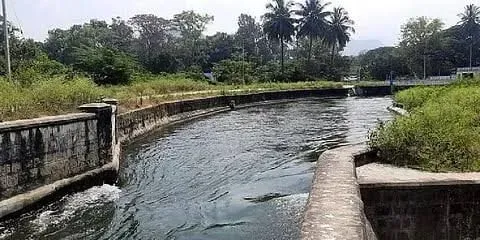
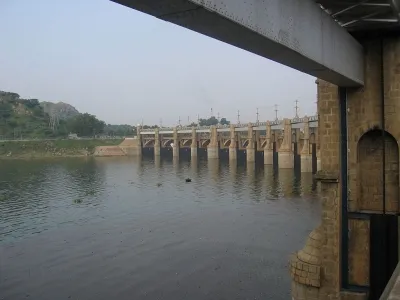
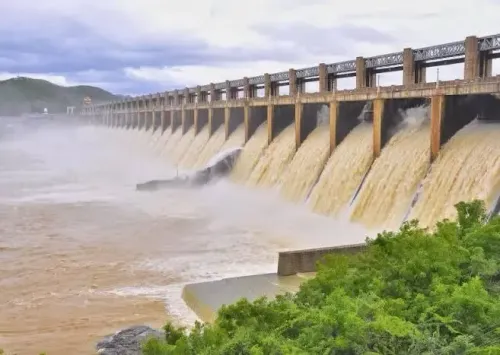
Desilting operations at the Tirumurthi Dam near Udumalpet in Tiruppur district have resumed following government approval, with residents pressing authorities to enforce strict oversight and prevent misuse of the permission granted to farmers. The work restarted on Friday, 22 August, weeks after a temporary suspension triggered by complaints of irregularities.
Why Tirumurthi Dam Matters
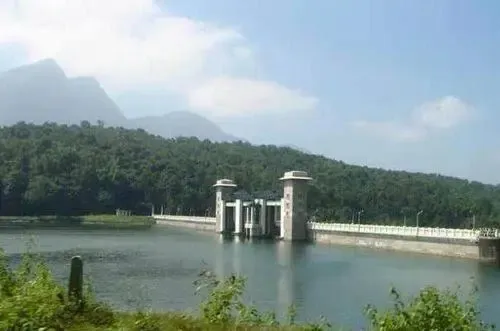
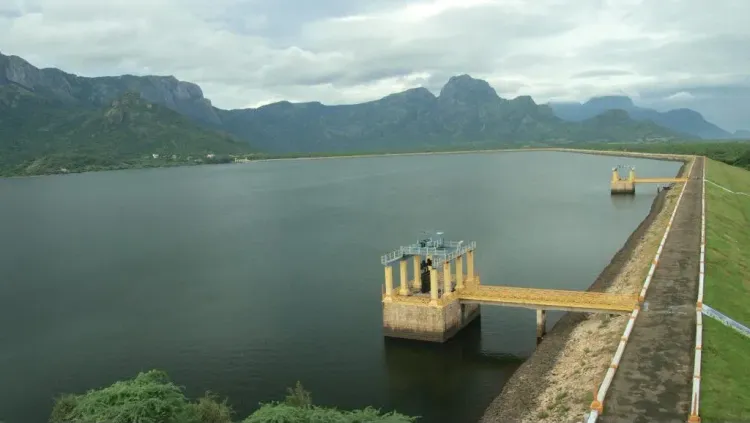
Situated in the Western Ghats, the Tirumurthi Dam draws water from forest rivers and streams, and also receives diversions from the Parambikulam-Aliyar Project (PAP) system. It is a lifeline for agriculture and drinking water supply across Coimbatore and Tiruppur districts. An estimated 3,76,152 acres of farmland benefit from irrigation under the PAP scheme, while an additional 3,044 acres are served through the old ayacut system via the Thali and Vayapalayam canals. Several combined drinking water schemes also depend on the reservoir.
How the Desilting Drive Unfolded
With water levels reduced during the summer season, farmers had sought permission to extract silt accumulated in the reservoir bed — material valued for its nutrient content and potential to improve soil fertility. Work commenced on 27 July, but was suspended on 31 July after complaints alleging irregularities were submitted to the district administration. Authorities conducted on-site inspections before halting the operation.
Farmers subsequently appealed to the government to allow the desilting to continue, arguing that the silt would enhance agricultural productivity. The matter was also raised in the State Legislative Assembly, and permission was eventually granted to resume the operation.
Residents Raise Oversight Concerns
Despite welcoming the resumption, local residents have called for continuous supervision to ensure the permission is not misused. Their specific demands include verification of the quantity of soil removed by each beneficiary, confirmation that silt is being transported only to the agricultural land specified in the individual permit, and checks to identify whether non-farmers or commercial operators are extracting material from the reservoir.
Residents also stressed that officials must ensure only permissible silt is removed, and that gravel, red soil, or other construction materials are not illegally transported from the dam area under the cover of the desilting exercise.
What Proper Desilting Could Achieve
Proponents of the operation argue that if conducted transparently, transferring accumulated silt to farmland could meaningfully improve soil quality, boost crop yields, and strengthen farmers' livelihoods across the command area. The dual benefit — restoring reservoir storage capacity while enriching agricultural land — makes the exercise strategically important for the region's water and food security.
With monitoring mechanisms yet to be formally detailed by authorities, residents and farmer groups are expected to keep pressure on the district administration to ensure enforcement is consistent throughout the operation.
Point of View
Complaints follow within days, work halts, and then restarts with the same oversight gaps intact. The residents' demand for beneficiary-level verification and transport tracking is not unreasonable — it is the minimum required to prevent a public-good exercise from becoming a cover for commercial soil extraction. Unless the district administration puts a credible enforcement mechanism in place before the next complaint arrives, this cycle is likely to repeat.
NationPress
6 Oct 2026
Frequently Asked Questions
Why was desilting at Tirumurthi Dam suspended?
Desilting was suspended on 31 July after complaints alleging irregularities in the removal and transportation of silt were submitted to the district administration. Authorities conducted inspections at the dam site before halting the work.
When did desilting at Tirumurthi Dam resume?
Desilting resumed on Friday, 22 August, after the government granted fresh permission following farmer appeals and the matter being raised in the Tamil Nadu State Legislative Assembly.
How much farmland depends on Tirumurthi Dam?
Approximately 3,76,152 acres of farmland across Coimbatore and Tiruppur districts benefit from irrigation under the Parambikulam-Aliyar Project, which the dam is part of. An additional 3,044 acres are irrigated through the old ayacut system via the Thali and Vayapalayam canals.
What are residents demanding regarding the desilting operation?
Residents are calling for continuous supervision, including verification of the quantity of silt each beneficiary removes, confirmation that it is transported only to the agricultural land specified in the permit, and checks to ensure commercial operators are not extracting material under the guise of the farmer-focused scheme.
What is the benefit of removing silt from the reservoir?
The accumulated silt is nutrient-rich and, when transferred to farmland, can improve soil fertility, increase crop yields, and enhance farmers' livelihoods. It also helps restore the reservoir's water storage capacity over time.