CM Yogi joins Diwali Milan at Nishad Basti in Ayodhya
Synopsis
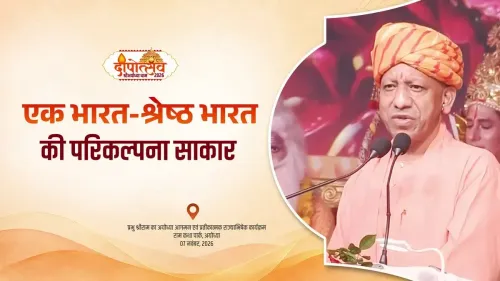
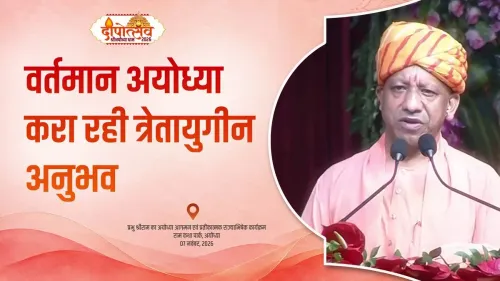
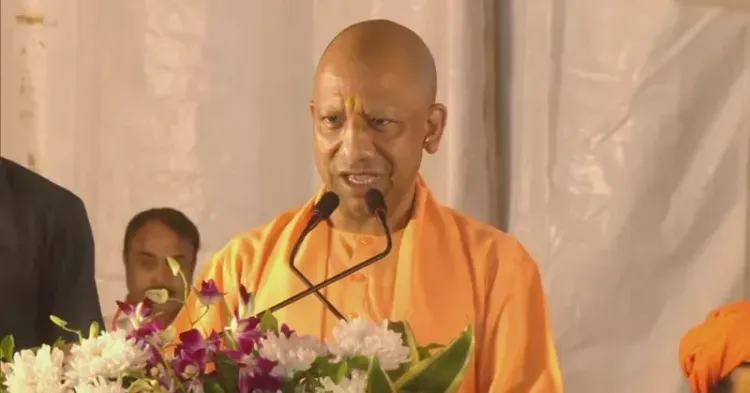
Chief Minister Yogi Adityanath joined a Diwali Milan gathering at the Nishad Basti near Ramghat Halt in Ayodhya on November 8, 2026, in a ground-level community outreach visit broadcast live from one of India's most symbolically significant cities.
Key Takeaways
CM Yogi Adityanath attended a Deepavali Milan programme in the Nishad community settlement near Ramghat Halt, Ayodhya on 8 November 2026 .
The event was broadcast live on X by the Chief Minister's Office of Uttar Pradesh .
The Nishad community comprises river workers and fishermen historically connected to Ayodhya's ghats.
Ayodhya has undergone major state-funded cultural and infrastructure investment since the Ram Temple consecration in January 2024 .
The visit reflects a pattern of UP chief ministers using festival gatherings for direct community engagement at the grassroots level.
On the festival of Diwali, Chief Minister Yogi Adityanath stepped into the lanes of a Nishad community settlement near Ramghat Halt in Ayodhya on Sunday, November 8, 2026, joining a Deepavali Milan gathering that underscored the ruling government's sustained outreach to riverine fishing communities in one of Uttar Pradesh's most symbolically charged cities.
The Chief Minister's Office of Uttar Pradesh shared the moment live on X, captioning it: 'Ayodhya mein Ramghat Halt ke nikat Nishad Basti mein Deepavali Milan karyakram mein sammilit hote Mukhyamantri Yogi Adityanath ji' — 'Chief Minister Yogi Adityanath joining the Diwali Milan programme in the Nishad Basti near Ramghat Halt in Ayodhya.' The broadcast was streamed live, extending the event's reach beyond the settlement itself.
Who are the Nishads, and why does this visit matter?
The Nishad community — traditionally boat-builders, fishermen, and river workers — are historically associated with the ghats of the Saryu and Ganga rivers in Uttar Pradesh. In a city like Ayodhya, where the ghats carry both economic and deep spiritual significance, the community occupies a distinctive place. Their settlements sit at the intersection of livelihood and pilgrimage infrastructure.
Uttar Pradesh chief ministers have long used Diwali gatherings in local mohallas and bastis as community-outreach touchpoints — but Ayodhya, since the consecration of the Ram Temple in January 2024, carries a weight that makes any state-level gesture there land with amplified resonance. CM Yogi's presence at a Nishad colony specifically, rather than a central civic event, signals a deliberate ground-level engagement.
Ayodhya's transformation as the backdrop
Since the early 2020s, Ayodhya has been the site of one of the most concentrated infrastructural and cultural investments in UP's recent history — widened ghats, riverfront beautification, expanded pilgrim facilities, and an international airport. The Nishad community's settlements near Ramghat sit within this transformation zone, making community programmes there part of a larger narrative about who shares in the city's reinvention.
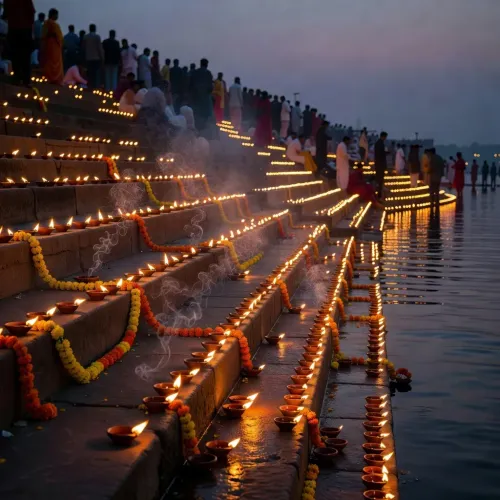
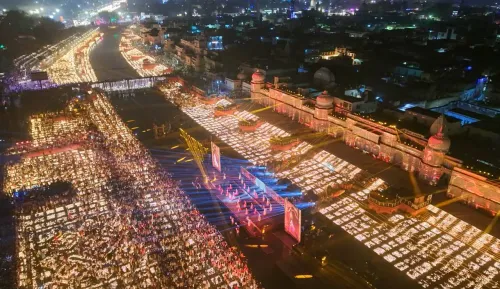
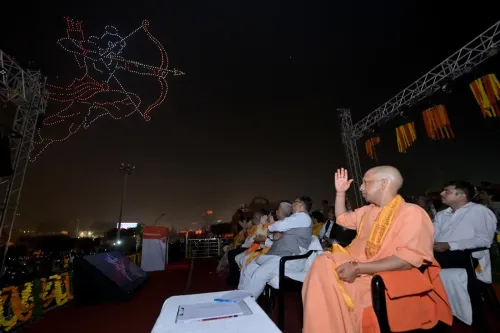
Diwali in Ayodhya has itself become a spectacle of national scale, with lakh-lamp deepotsav ceremonies drawing global attention in recent years. A grassroots milan in a riverside basti — deliberately intimate, deliberately local — reads as a counterpoint to that grand stagecraft. It is politics and culture woven together.
Whether the visit produces any concrete announcement on Nishad community welfare or Ayodhya's local infrastructure will be the detail to watch in the days ahead.
Point of View
Symbolically loaded, and carefully placed in a city that has become the BJP government's most prominent cultural canvas. The Nishad community represents a significant OBC vote bloc in riverine UP, and sustained outreach to them is part of a longer coalition-building arc. Set against Ayodhya's post-temple transformation, the visit also reinforces the government's framing of development as inseparable from cultural identity. The live broadcast extends the gesture's reach far beyond the lane it was held in.
NationPress
8 Nov 2026
Frequently Asked Questions
What is the Diwali Milan programme CM Yogi attended in Ayodhya?
The Deepavali Milan is a community gathering held during the Diwali festival. CM Yogi Adityanath participated in one held at the Nishad Basti near Ramghat Halt in Ayodhya on November 8, 2026, as part of community outreach.
Who are the Nishad community in Uttar Pradesh?
The Nishad community are traditionally river workers, boat-builders, and fishermen. They are classified as an OBC group in Uttar Pradesh and have settlements along major rivers including the Saryu in Ayodhya.
Why is Ayodhya significant for CM Yogi Adityanath?
Ayodhya is the site of the Ram Temple consecrated in January 2024, one of the most significant events of the current UP government's tenure. CM Yogi has made the city a centrepiece of the state's cultural and developmental agenda.
Where is Ramghat Halt in Ayodhya?
Ramghat Halt is a locality in Ayodhya near the ghats of the Saryu river. The Nishad Basti in its vicinity is a residential settlement of the Nishad fishing community.
Does CM Yogi regularly visit community events during festivals?
Yes. Chief Ministers of Uttar Pradesh, including Yogi Adityanath, have a long tradition of joining local festival gatherings across the state as part of grassroots community outreach, particularly during Diwali.