PM-KISAN extended to 2030–31: Cabinet clears ₹3.15 lakh crore outlay for farmers
Synopsis
The Union Cabinet has locked in ₹3.15 lakh crore for PM-KISAN through 2030–31, cementing direct income support for over 9.49 crore farmer families as a five-year fiscal commitment. With women farmers accounting for nearly one in four beneficiaries and over ₹4.47 lakh crore already disbursed, this extension is less a new policy and more a structural guarantee — one that will define agrarian welfare spending through the next general election cycle.
Key Takeaways
The Union Cabinet approved PM-KISAN's continuation from 2026–27 to 2030–31 with a total outlay of ₹3.15 lakh crore .
Eligible farmers receive ₹6,000 per year in three instalments via Direct Benefit Transfer (DBT) .
More than ₹4.47 lakh crore has been disbursed across 23 instalments since the scheme launched in February 2019 .
The 23rd instalment reached over 9.49 crore farmers , releasing more than ₹18,984 crore .
Women farmers have received more than ₹1.06 lakh crore ; nearly one in four beneficiaries is a woman.
Over ₹1.71 lakh crore was disbursed during the Covid-19 pandemic to cushion farm households.
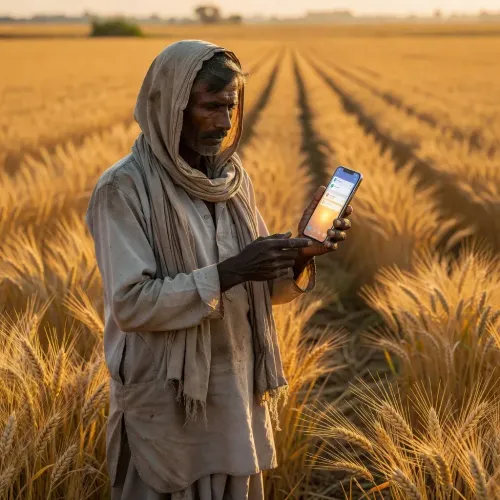
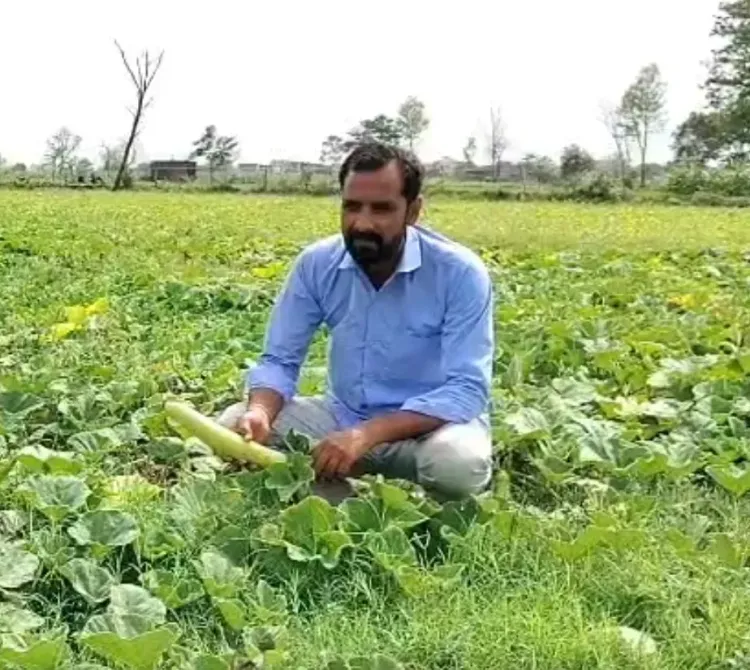
The Union Cabinet, led by Prime Minister Narendra Modi, on Friday, 31 July approved the continuation of the Pradhan Mantri Kisan Samman Nidhi (PM-KISAN) scheme for the period 2026–27 to 2030–31, committing a total outlay of ₹3.15 lakh crore. Farmers in Haryana's Hansi welcomed the decision, saying the government was acting in their interests by ensuring uninterrupted income support through the scheme's Direct Benefit Transfer (DBT) mechanism.
What the Cabinet Decision Covers
Launched in February 2019, PM-KISAN provides eligible landholding farmer families with financial assistance of ₹6,000 per year, disbursed in three equal instalments directly into bank accounts via the DBT system. The extension locks in this support for an additional five years, through 2030–31. Aadhaar authentication and digital verification underpin the scheme's transparency framework, eliminating intermediaries from the transfer chain.
Scale and Reach So Far
Since inception, more than ₹4.47 lakh crore has been transferred across 23 instalments. Under the 23rd instalment alone, more than 9.49 crore farmers received over ₹18,984 crore directly into their accounts, according to an official statement. Notably, women farmers have received more than ₹1.06 lakh crore cumulatively, with nearly one in four beneficiaries being a woman farmer — a figure that underscores the scheme's reach into rural households led by women.
Farmers React in Hansi
Farmers Ajay and Bega Ram in Hansi said the extension would further strengthen their financial security, noting that direct bank transfers removed the risk of leakage. Farmer Ramphal said: 'This is an excellent scheme by the government. We receive financial assistance of ₹6,000 every year. Extending the scheme's duration is a decision in the best interest of farmers. The annual amount helps cover minor farming expenses.' He added: 'Extending the scheme until 2030-31 is a beneficial decision for farmers. The government is continuously working in the interest of farmers.'
Covid Relief and Rural Economy Impact
During the Covid-19 pandemic, more than ₹1.71 lakh crore was disbursed under PM-KISAN to cushion farmers against economic disruption — a deployment that demonstrated the scheme's utility as a rapid-response fiscal instrument. Officials and farmers alike expect the extended run to further strengthen the broader rural economy through sustained agricultural investment in seeds, fertilisers, and other inputs.
What Comes Next
With the Cabinet's approval in place, the scheme will transition seamlessly into its next phase without a funding gap. The government's continued reliance on the DBT architecture signals that direct-transfer welfare is now a structural fixture of agrarian policy rather than a temporary measure. All eyes will be on whether the annual outlay per farmer is revised upward in any of the coming instalments, a demand that farmer groups have periodically raised.
Point of View
Not a reform. The ₹6,000 annual transfer, unchanged since 2019, has not kept pace with input cost inflation, and farmer groups have repeatedly called for an upward revision. The scheme's transparency credentials via DBT are genuine, but the flat per-farmer amount risks becoming less meaningful in real terms with each passing year. The real policy question — whether PM-KISAN should be recalibrated to reflect actual input costs or land-size variability — remains unaddressed by this extension.
NationPress
15 Sept 2026
Frequently Asked Questions
What is the PM-KISAN scheme and what did the Cabinet decide?
PM-KISAN is a central government scheme that provides ₹6,000 per year in direct income support to eligible landholding farmer families, paid in three instalments via DBT. The Union Cabinet on 31 July approved its continuation from 2026–27 to 2030–31 with a total outlay of ₹3.15 lakh crore.
How many farmers benefit from PM-KISAN?
Under the 23rd instalment, more than 9.49 crore farmers received over ₹18,984 crore directly in their bank accounts. Since the scheme's launch in February 2019, cumulative disbursements have crossed ₹4.47 lakh crore across 23 instalments.
How much have women farmers received under PM-KISAN?
Women farmers have received more than ₹1.06 lakh crore under PM-KISAN, and nearly one in four beneficiaries is a woman farmer, according to official data.
How does the DBT system work under PM-KISAN?
The Direct Benefit Transfer system transfers funds directly into farmers' bank accounts using Aadhaar authentication and digital verification, bypassing intermediaries entirely. This ensures transparency and reduces leakage.
Will the ₹6,000 annual amount change under the extended scheme?
The Cabinet approval does not indicate any change to the existing ₹6,000 annual transfer per farmer family. The extension maintains the current structure through 2030–31, though farmer groups have periodically called for an upward revision to reflect rising input costs.