Cabinet Clears PM-KISAN Extension With ₹3.15 Lakh Crore Outlay
Synopsis
The Union Cabinet has approved the extension of PM-KISAN, India's flagship farmer income-support scheme, with a budget of ₹3.15 lakh crore. The scheme provides ₹6,000 annually to eligible landholding farmer families via direct bank transfers. Union Textiles Minister Giriraj Singh shared the announcement on August 1, 2026.
Key Takeaways
The Union Cabinet approved the extension of the PM-KISAN scheme on August 1, 2026 .
The approved budget outlay for the extended period is ₹3.15 lakh crore .
PM-KISAN provides eligible landholding farmer families ₹6,000 per year in three instalments of ₹2,000 each.
The scheme was originally launched in February 2019 as a central sector direct benefit transfer programme.
The extension will be subject to parliamentary approval through the supplementary demand for grants process.
State-level rollout timelines and beneficiary database alignment will determine how quickly extended benefits reach farmers.
A scheme that has quietly reshaped how India supports its farmers just got a major new lease of life. The Union Cabinet has approved the extension of the Pradhan Mantri Kisan Samman Nidhi (PM-KISAN) scheme, setting aside a budget of ₹3.15 lakh crore for the extended period — a signal that direct income support to landholding farmers remains a cornerstone of the government's agricultural policy.
What PM-KISAN Does — and Why the Scale Matters
Launched in February 2019, PM-KISAN provides eligible landholding farmer families with an annual direct benefit transfer of ₹6,000, disbursed in three equal instalments of ₹2,000 each. The scheme operates as a central sector programme, meaning the Centre bears the full cost — no state co-funding required. Over successive Union budgets, the outlay has been periodically revised upward as coverage expanded, making this latest approval consistent with that trajectory.
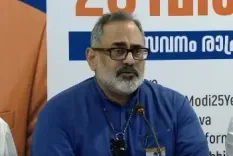
Union Textiles Minister Giriraj Singh, a senior BJP leader and Lok Sabha MP from Begusarai, Bihar, shared the Cabinet decision on Saturday, August 1, 2026, amplifying the announcement to his social media following. The post, shared via the NaMo App, underscores the ruling party's continued effort to communicate welfare milestones directly to its base.
Direct Transfers as a Policy Spine
The Cabinet's move fits squarely within the government's broader Direct Benefit Transfer (DBT) philosophy — bypassing intermediaries and depositing money straight into beneficiary bank accounts. For a country where agriculture employs a vast share of the workforce, income floor support of this kind carries both economic and political weight, particularly in states like Bihar, Uttar Pradesh, and Madhya Pradesh where small and marginal farmers dominate the rural landscape.
The approved outlay of ₹3.15 lakh crore is among the largest single-scheme commitments in the welfare calendar, reflecting the sheer scale of farmer families the programme covers across India.
What Comes Next: Parliament and State Pipelines
The Cabinet approval now sets the stage for parliamentary scrutiny — specifically through the supplementary demand for grants process — and for state governments to align their beneficiary databases and rollout timelines with the extended scheme period. Any gaps in land records or Aadhaar-linked bank accounts at the state level could affect how quickly the extended benefits reach farmers on the ground.
For India's landholding farmers, the message from New Delhi on this first day of August 2026 is unambiguous: the income floor holds — and it just got bigger.
Point of View
The timing of this Cabinet clearance is as much political consolidation as it is policy continuity. The scale of the outlay also signals that the programme has graduated from pilot to permanent fixture in India's welfare architecture. The real test, as always, will be last-mile delivery — whether beneficiary lists are clean, accounts are linked, and instalments arrive on schedule.
NationPress
15 Sept 2026
Frequently Asked Questions
What is PM-KISAN and how much money do farmers get?
PM-KISAN (Pradhan Mantri Kisan Samman Nidhi) is a central government scheme that provides eligible landholding farmer families with ₹6,000 per year in three equal instalments of ₹2,000, transferred directly to their bank accounts.
When was PM-KISAN launched?
PM-KISAN was launched in February 2019 as a central sector scheme to provide direct income support to India's landholding farmer families.
What is the budget approved for the PM-KISAN extension?
The Union Cabinet approved an outlay of ₹3.15 lakh crore for the extended period of the PM-KISAN scheme.
Who is eligible for PM-KISAN benefits?
Eligible landholding farmer families across India can receive PM-KISAN benefits, subject to exclusion criteria such as income tax payees and those holding constitutional posts.
What happens after Cabinet approves a scheme extension like PM-KISAN?
After Cabinet approval, the extended outlay must be cleared through Parliament via the supplementary demand for grants process, and state governments must align their beneficiary databases and rollout timelines before disbursements begin.