PM Modi Commemorates the Legacy of Chandra Shekhar: A Leader Committed to Democracy
Synopsis
On April 17, Prime Minister Modi paid tribute to Chandra Shekhar on his 100th birth anniversary, highlighting his impactful leadership and dedication to democratic ideals. Explore how Shekhar's legacy continues to inspire India's youth and political landscape.
Key Takeaways
Chandra Shekhar's Commitment: A leader rooted in democratic values.
Centenary Celebration: A time to reflect on his legacy.
Youth Engagement: Encouraging the youth to learn from his ideals.
Grassroots Development: Establishing Bharat Yatra Centres for political education.
Historical Impact: His influence on Indian politics continues today.
New Delhi, April 17 (NationPress) Prime Minister Narendra Modi honored the legacy of former Prime Minister Chandra Shekhar on the occasion of his centenary, emphasizing his stature as a mass leader distinguished by his courage, conviction, and unwavering dedication to democratic values.
In a post on the social media platform X, the Prime Minister remarked, "I extend my heartfelt tributes to Chandra Shekhar Ji on his birth anniversary. This year marks the commencement of his 100th birth anniversary, providing us with an opportunity to reaffirm our commitment to fulfilling his vision for a prosperous and equitable India."
He added, "Chandra Shekhar Ji is fondly remembered as a mass leader endowed with courage, conviction, and a profound commitment to democratic values. Deeply rooted in the essence of India and attuned to the hopes of everyday citizens, he infused simplicity and clarity into public life."
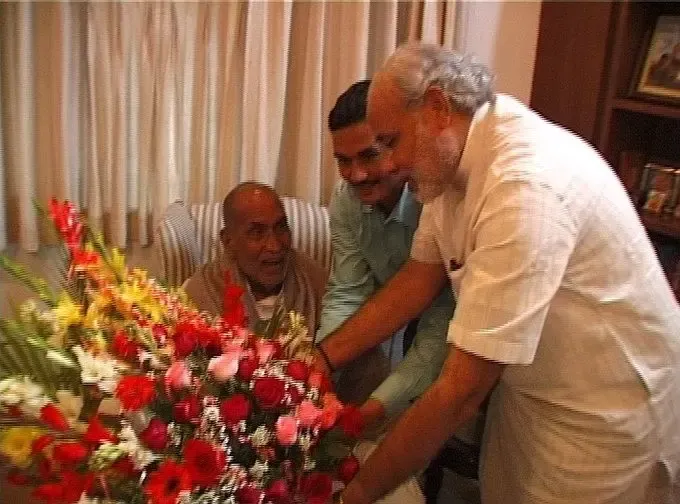
Reflecting on his personal encounters, PM Modi shared, “I cherish the moments when I had the privilege to meet him and discuss our nation's development. I urge the youth of India to delve deeper into his thoughts and initiatives for India’s advancement.”
Chandra Shekhar was born on April 17, 1927, into a farming family in Ibrahimpatti village, Ballia district, Uttar Pradesh. He presided over the Janata Party from 1977 to 1988 and remained a significant figure in Indian politics for decades.
His foray into politics began during his student years, where he established himself as a passionate idealist with revolutionary fervor. After attaining a Master’s degree in Political Science from Allahabad University in 1950-51, he engaged in the Socialist movement, closely collaborating with renowned socialist thinker Acharya Narendra Dev.
Chandra Shekhar initiated his political career as Secretary of the District Praja Socialist Party in Ballia. Within a year, he ascended to Joint Secretary of the Uttar Pradesh State Praja Socialist Party, and by 1955-56, he was appointed General Secretary.
In 1962, he was elected to the Rajya Sabha from Uttar Pradesh. He joined the Indian National Congress in January 1965, later becoming General Secretary of the Congress Parliamentary Party in 1967. As a parliamentarian, he made a notable impact by advocating for the underprivileged and promoting policies aimed at rapid social change.
His candid criticism of the excessive growth of monopolistic enterprises benefiting from state support often put him at odds with powerful establishment figures. During the Emergency declared on June 25, 1975, he was detained under the Maintenance of Internal Security Act, despite being a member of the Congress party’s upper echelons.
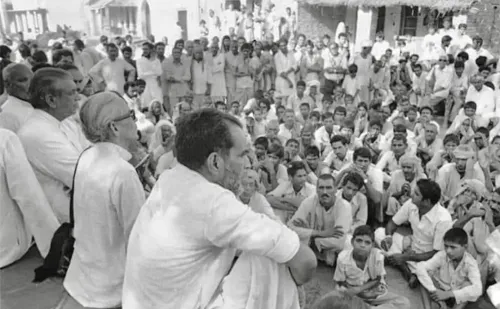
A remarkable chapter in his life was his nationwide padayatra. From January 6 to June 25, 1983, he embarked on a marathon trek from Kanyakumari in the south to Rajghat in New Delhi, covering nearly 4,260 kilometers. The journey aimed to reconnect with the populace and grasp their pressing issues firsthand.
To bolster grassroots engagement, he founded approximately fifteen Bharat Yatra Centres across various states, including Kerala, Tamil Nadu, Karnataka, Maharashtra, Madhya Pradesh, Gujarat, Uttar Pradesh, and Haryana. These centres were established to train social and political workers for mass education and grassroots development in underprivileged regions of the nation.
Point of View
Stressing the importance of democratic values in contemporary India.
NationPress
19 Sept 2026
Frequently Asked Questions
What is the significance of Chandra Shekhar's 100th birth anniversary?
It marks a century since his birth and serves as an opportunity to reflect on his contributions to Indian politics and his commitment to democratic principles.
How did Chandra Shekhar impact Indian politics?
He was known for his advocacy for the downtrodden and his efforts in promoting social reforms, making a significant mark as a parliamentarian.
What is PM Modi's message regarding Chandra Shekhar's legacy?
PM Modi encourages the youth to learn about Shekhar's vision for India and engage with his ideals of democracy and social justice.
What role did Chandra Shekhar play during the Emergency?
He was arrested under the Maintenance of Internal Security Act during the Emergency, highlighting his opposition to authoritarian governance.
What was the Bharat Yatra and its purpose?
Chandra Shekhar's Bharat Yatra aimed to connect with the masses, understanding their concerns firsthand while promoting grassroots political engagement.