Are PoK Authorities Restricting Civilians' Mobility and Employment Opportunities?
Synopsis
In Pakistan-occupied Kashmir, authorities are imposing restrictions on civilians' ability to work abroad, stifling opportunities and suppressing dissent. Amid a backdrop of protests and resource exploitation, the region faces dire economic challenges. Discover how these measures are impacting the lives of its residents.
Key Takeaways
Severe travel restrictions hinder civilian mobility.
Protests reflect public discontent over economic challenges.
Resource exploitation primarily benefits mainland Pakistan.
Mental health issues are rising among the educated youth.
Local residents face higher electricity costs despite being near power projects.
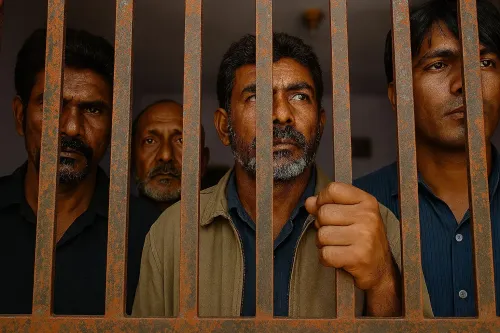
Islamabad, Oct 29 (NationPress) Authorities in Pakistan-occupied Kashmir (PoK) have imposed significant limitations on civilians' ability to work abroad by enforcing strict regulations on acquiring passports, travel permits, and No Objection Certificates (NOC).
These restrictions, often justified under the guise of “security reasons”, are frequently utilized to stifle dissent and restrict movement, particularly for those with political or familial ties to sensitive activities.
An Amnesty International report highlights that the lack of employment opportunities at home, combined with soaring living costs and increasing poverty, has led to a rise in mental health issues and substance abuse among a more educated and socially conscious demographic in the area.
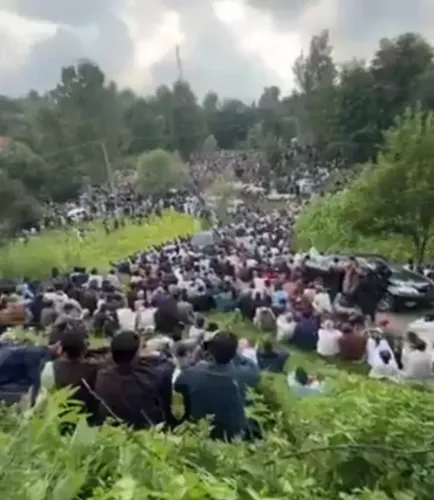
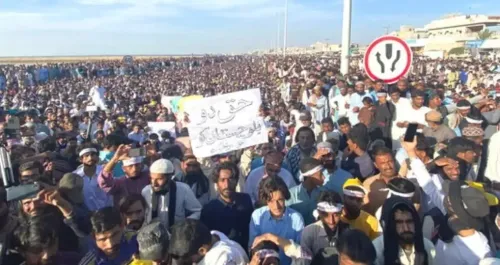
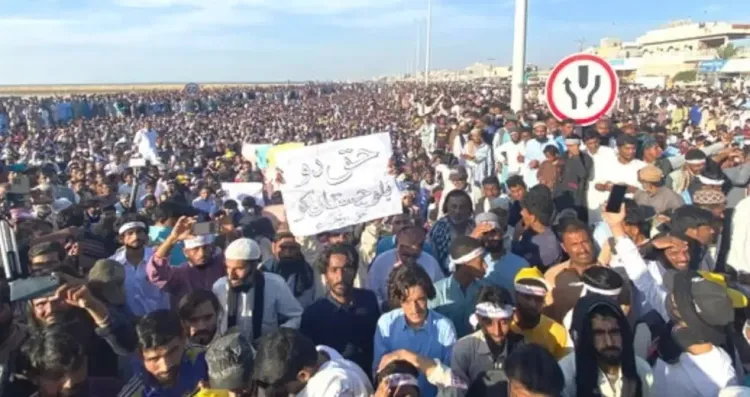
Recently, protests erupted in Muzaffarabad, resulting in at least nine fatalities and numerous injuries as young citizens expressed their long-standing grievances.
The response from Pakistani authorities was severe, employing violent tactics to disperse peaceful protests and implementing communication blackouts to stifle opposition.
Moreover, the report raises longstanding concerns about the exploitation of the region’s natural resources by the Pakistani government, which includes timber from vast forests, minerals, and large hydropower initiatives that primarily benefit the mainland population over local residents.
This exploitation has led to the loss of productive agricultural land without any advantages for the local populace, resulting in a dramatic decline in farming income, especially from apple sales, which were once a cornerstone of the rural economy.
“A glaring example is the Mangla Dam, a significant hydropower project established in 1967 on fertile land that submerged 280 villages, including the towns of Mirpur and Dadyal. Over 110,000 individuals were displaced. Although Pakistan assured the local community compensation through royalties, free electricity, and even complimentary water supply to Mirpur, these commitments were never fully met. Despite an installed capacity exceeding 1,000 MW, Mangla generates substantial power, yet almost all is directed into Pakistan’s national grid. Locals were promised 300 MW free of charge for their needs but have received nothing,” the report emphasized.
Ironically, residents of the area must purchase electricity at rates significantly higher than those charged in Pakistan's provinces. Islamabad treats power from this region as an “import,” billing locals 20-40 times the nominal rate it pays.
Unlike Pakistan’s provinces, PoK receives no hydropower royalties under the national constitution, leaving the territory without compensation for the dams situated on its land.
Point of View
It is crucial to emphasize that while the challenges faced by citizens in Pakistan-occupied Kashmir are significant, the national interest must always be prioritized. The situation calls for a balanced approach that respects human rights while ensuring stability and security in the region.
NationPress
30 Sept 2026
Frequently Asked Questions
What restrictions are placed on civilians in PoK?
Authorities in PoK have imposed restrictions on obtaining passports, travel permits, and No Objection Certificates (NOCs), limiting civilians' ability to work abroad.
How are these restrictions impacting the locals?
These limitations have led to increased unemployment, rising poverty, and a surge in mental health issues and substance abuse among the educated population.
What are the protests in Muzaffarabad about?
Recent protests in Muzaffarabad stem from long-standing frustrations regarding economic hardships and restrictions on civil liberties.
How does the exploitation of natural resources affect the region?
The exploitation of resources like timber and hydropower projects benefits the mainland population while leaving locals without compensation or support.
What is the status of the Mangla Dam project?
The Mangla Dam has displaced over 110,000 residents and despite its significant power output, locals have not received the promised benefits.