Poland raises 'weaponisation of farm trade' at G20 meet in Milwaukee
Synopsis
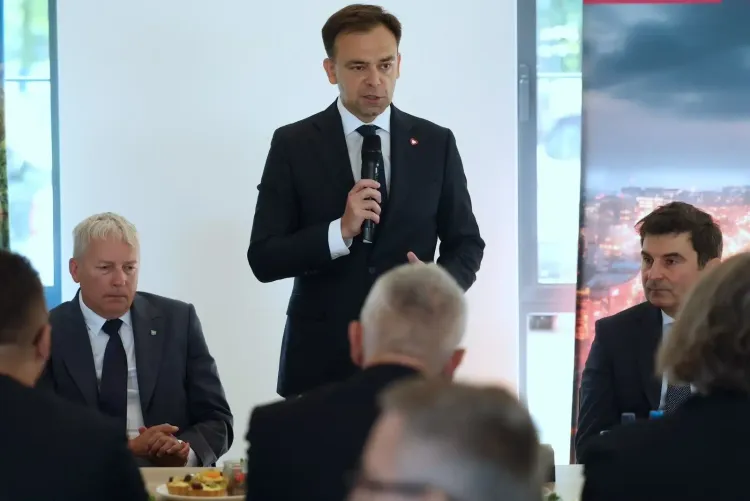
At the G20 Trade Ministers' Meeting in Milwaukee, Poland's Finance Minister Andrzej Domanski explicitly labelled Russia's disruption of Black Sea agricultural exports a deliberate 'weaponisation of trade' — and said Poland used the G20 platform to formally condemn it. With India praised as a 'leader' in global trade, Warsaw is clearly angling for a broader democratic coalition on food security.
Key Takeaways
Poland formally raised the 'weaponisation of agricultural trade' at the G20 Trade Ministers' Meeting in Milwaukee on 1 October 2026 .
Finance and Economy Minister Andrzej Domanski blamed Russia's war on Ukraine for 'very substantial disruption' in Ukrainian agricultural exports.
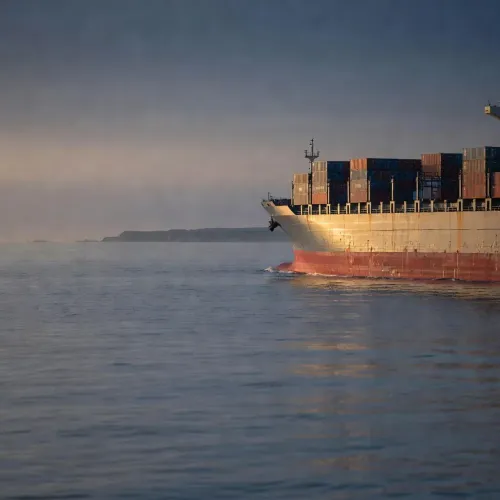
The Black Sea blockade, Domanski said, is causing distortions in food access for multiple countries beyond Ukraine.
Poland formally condemned Russia's actions at the G20 gathering on US soil.
Domanski praised India as a 'leader' and one of the largest, fastest-growing global economies, underscoring New Delhi's weight in multilateral trade forums.
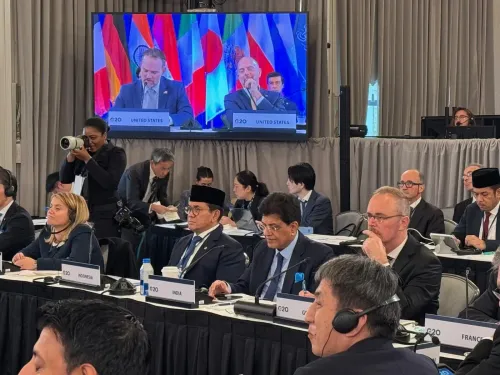
Poland raised pointed concerns at the G20 Trade Ministers' Meeting in Milwaukee on 1 October 2026 over what it described as the 'weaponisation of trade in agricultural products', arguing that Russia's war against Ukraine and the disruption of Black Sea trade routes had severely distorted global food supplies and damaged the Ukrainian economy.
What Poland Said at the G20
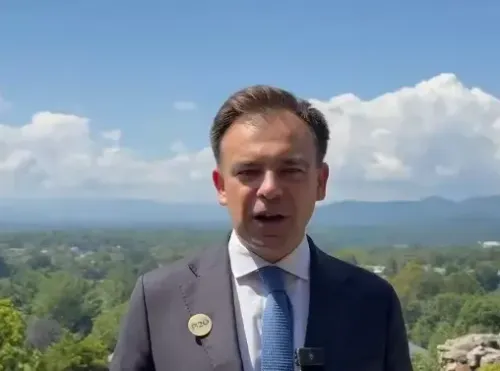
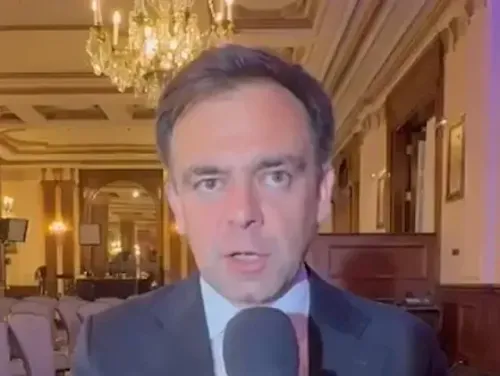
Poland's Finance and Economy Minister Andrzej Domanski, speaking on the sidelines of the meeting, said the issue was of particular national importance. 'Today, we discuss the issue of weaponisation of trade in agricultural products,' Domanski said when asked about the key themes being addressed by G20 nations at the gathering.
'For Poland, this is a very important issue, as we see that brutal and unprovoked Russian aggression on Ukraine caused a very substantial disruption in trade of agricultural products from Ukraine,' he said. He added that the blockade of Black Sea routes was 'causing very substantial distortion in access to food in some countries' — consequences extending well beyond Ukraine's borders.
Russia Condemned, G20 Platform Used Deliberately
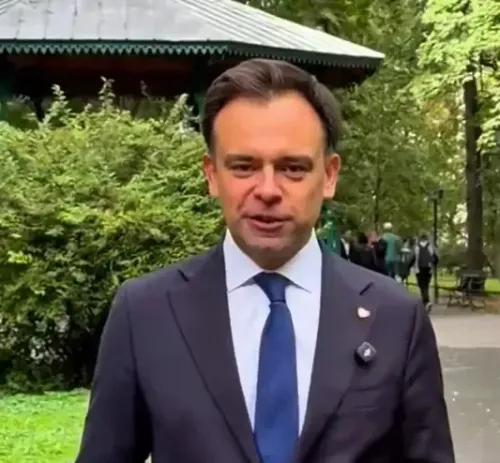
Domanski made clear that Poland's participation in the Milwaukee gathering was partly aimed at putting Russia's conduct on the record. 'This is the move by Russia that needs to be condemned. And that's what Poland did here in the United States,' he said. The minister stressed that the disruption was 'also, of course, hitting the Ukrainian economy' — reinforcing Warsaw's argument that the agricultural trade crisis is an economic weapon, not merely collateral damage from the conflict.
This is not the first time food security has featured prominently at a G20 forum since the conflict began. The war has repeatedly placed agricultural trade disruptions on the international agenda, given Ukraine's role as a major exporter of wheat, sunflower oil, and corn, and the dependence of several developing nations on those supplies.
India's Role Acknowledged
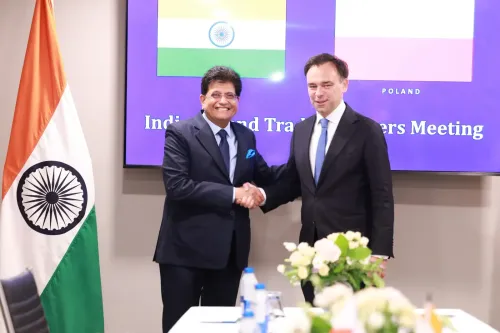
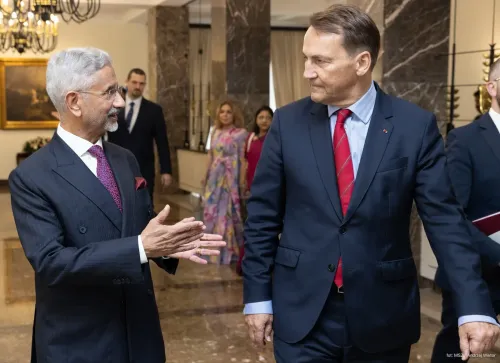
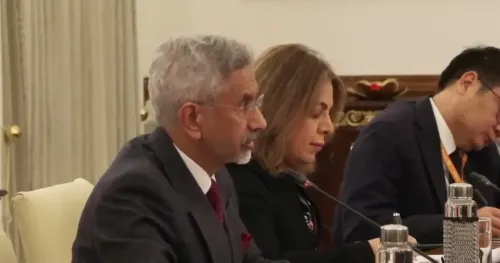
Asked about India's position in the G20 discussions, Domanski was emphatic about New Delhi's growing stature. 'India is a leader. India is not only one of the largest, one of the biggest global economies, but really also a country of high GDP growth,' he said. He also noted the significance of democratic governance in trade relationships. 'I believe it's easier to trade with democracies. It's often easier to make business with democracies,' Domanski said — remarks that carry implicit weight given the geopolitical alignments under discussion at the summit.
Broader Implications for Food Security
The disruption of Black Sea grain corridors has had cascading effects on commodity markets and food-import-dependent nations, particularly across Africa and West Asia. Warsaw's formal articulation of the 'weaponisation' framing at a multilateral forum like the G20 signals a push to build a broader coalition of countries willing to name and challenge trade coercion as a geopolitical tool. How the G20's final communiqué addresses — or sidesteps — this framing will be closely watched by both trading partners and food-security advocates.
Point of View
And it wants New Delhi inside it. Whether India — which has carefully maintained strategic autonomy on the Ukraine conflict — chooses to align with that framing is the real story beneath the diplomatic pleasantries in Milwaukee.
NationPress
1 Oct 2026
Frequently Asked Questions
What did Poland raise at the G20 Trade Ministers' Meeting in Milwaukee?
Poland raised concerns about what it called the 'weaponisation of trade in agricultural products', arguing that Russia's war against Ukraine and the disruption of Black Sea trade routes had severely distorted global food supplies. Finance and Economy Minister Andrzej Domanski made the remarks on the sidelines of the meeting on 1 October 2026.
How has the Black Sea blockade affected global food security?
According to Minister Domanski, the blockade of Black Sea routes has caused 'very substantial distortion in access to food in some countries', extending the impact of the conflict well beyond Ukraine. Ukraine is a major global exporter of wheat, corn, and sunflower oil, and disruptions affect food-import-dependent nations, particularly in Africa and West Asia.
What was Poland's specific action at the G20 meeting?
Poland used the G20 gathering in the United States to formally condemn Russia's actions, with Domanski stating: 'This is the move by Russia that needs to be condemned. And that's what Poland did here in the United States.'
What did Poland's minister say about India at the G20?
Domanski described India as 'a leader' and 'one of the biggest global economies' with high GDP growth, highlighting New Delhi's growing weight in multilateral trade discussions. He also said it is 'easier to trade with democracies', implicitly emphasising the value of India's democratic framework in trade relationships.
Why is the G20 a key platform for addressing agricultural trade disruptions?
The G20 brings together the world's largest economies and is one of the few multilateral forums where trade, food security, and geopolitics intersect. Since Russia's invasion of Ukraine, disruptions to Ukrainian agricultural exports have repeatedly featured on the G20 agenda because of their impact on global commodity markets and food-import-dependent nations.