CM Sawant Opens Tribal Heritage Exhibition at Sankhali Fort
Synopsis
On Janjatiya Gaurav Divas, Goa CM Pramod Sawant inaugurated a three-day exhibition at Sankhali Fort celebrating tribal heritage, crafts and freedom-fighter legacies, organised jointly by IGNCA, the Directorate of Museums, and the Ministry of Culture.
Key Takeaways
Goa CM Pramod Sawant inaugurated the exhibition at Sankhali Fort on 15 November 2026 , marking Janjatiya Gaurav Divas .
The event runs for three days — 15 to 17 November — and is open to the public.
It is a joint initiative of the IGNCA Regional Centre Goa , the Directorate of Museums, Government of Goa , and the Ministry of Culture, Government of India .
The exhibition highlights traditional crafts, art forms and sustainable lifestyles of Goa's tribal communities .
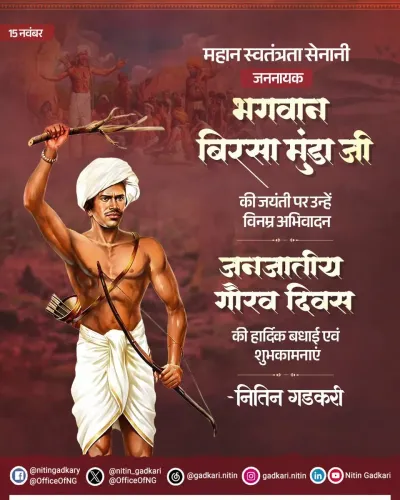
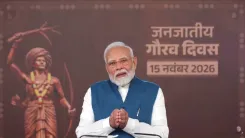
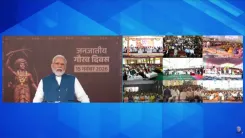
Janjatiya Gaurav Divas marks the birth anniversary of Bhagwan Birsa Munda , declared a national observance by the Government of India in 2021 .
CM Sawant reaffirmed the state government's commitment to tribal development alongside preservation of indigenous cultural identity.
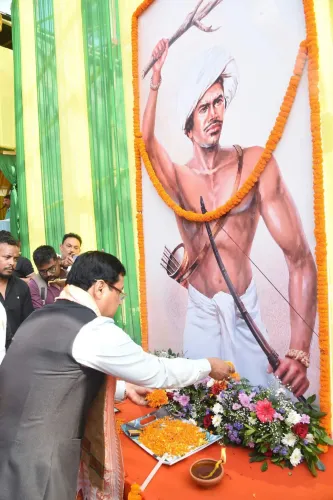
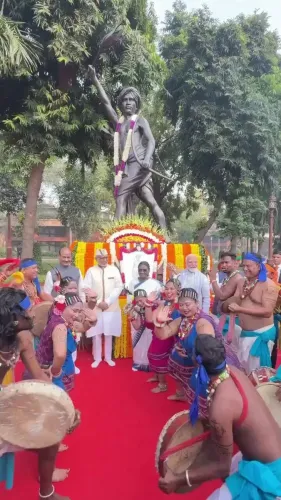
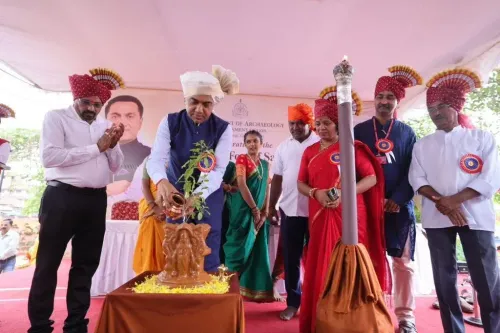
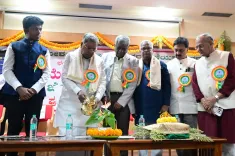
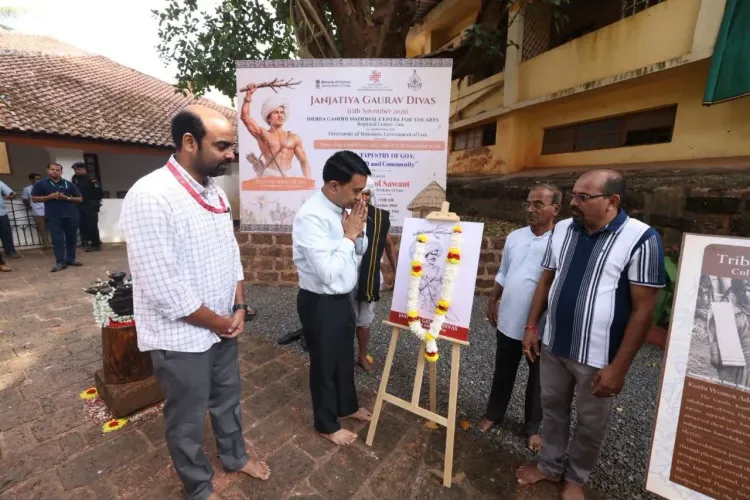
At the foot of a historic North Goa fort, Goa's tribal communities stepped into the spotlight. Goa Chief Minister Pramod Sawant on Sunday, 15 November 2026 inaugurated a three-day cultural exhibition at Sankhali Fort, marking Janjatiya Gaurav Divas — the national day declared to honour India's indigenous freedom fighters and their living heritage.
Birsa Munda's birth anniversary, a nation's tribute
Janjatiya Gaurav Divas falls on 15 November, the birth anniversary of Bhagwan Birsa Munda, the revered tribal leader and freedom fighter born in 1875 who galvanised adivasi resistance against colonial rule. The Government of India declared the date a national observance in 2021, anchoring it as an annual moment to recall the sacrifices of tribal communities whose contributions to the independence struggle long went unrecorded in mainstream histories. CM Sawant invoked that memory directly, stating he was 'remembering Bhagwan Birsa Munda and the countless tribal freedom fighters' and honouring 'their courage, sacrifice and contribution to India's freedom struggle.'
IGNCA, Ministry of Culture, and Goa's Directorate of Museums unite at Sankhali
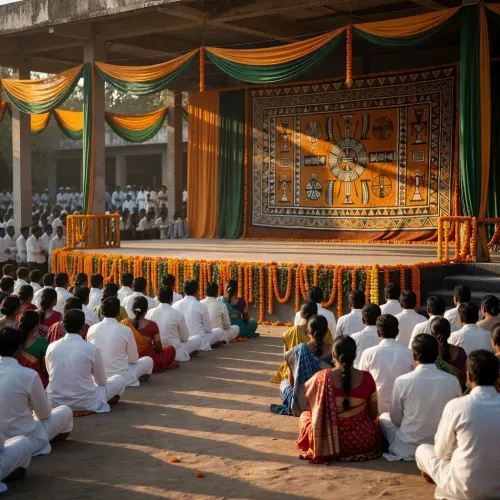
The exhibition is a three-way collaboration between the IGNCA Regional Centre, Goa, the Directorate of Museums, Government of Goa, and the Ministry of Culture, Government of India. The Indira Gandhi National Centre for the Arts is an autonomous body under the Union ministry with a mandate to research and showcase India's arts and heritage — its regional presence in Goa makes it a natural anchor for events that bridge central priorities with local cultural specificity. Sankhali Fort, a historic site in North Goa, has served as a venue for state-organised cultural programmes in recent years, lending the exhibition an appropriately layered setting — living heritage inside a structure that is itself a piece of history.
What visitors will find from 15 to 17 November
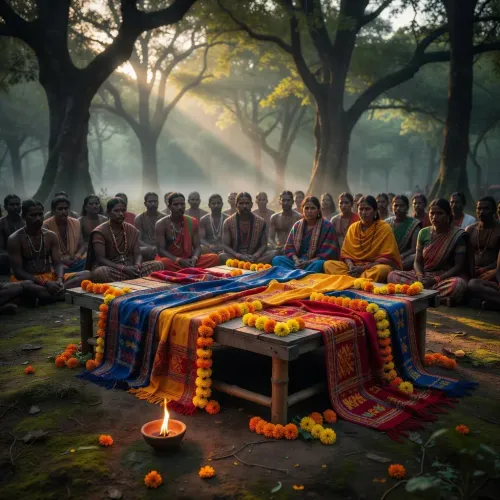
The exhibition, running through 17 November 2026, spotlights the 'rich indigenous heritage, traditional crafts, art forms and sustainable lifestyles of Goa's tribal communities.' CM Sawant extended a public invitation, calling on everyone to visit and 'experience the vibrant heritage of Goa's tribal communities.' The framing — crafts, art, sustainability — reflects a broader pattern in which central and state governments use cultural exhibitions to bring indigenous artisans and their practices into visible, documented public space, rather than relegating them to footnote status in state tourism narratives.
A commitment to identity alongside development
Beyond the ceremonial, CM Sawant used the occasion to 'reaffirm the government's commitment to the holistic development of tribal communities while preserving their unique identity, traditions and cultural heritage.' That pairing — development and preservation in the same breath — is deliberate policy language: it signals that welfare programmes and cultural continuity are intended to run in parallel, not in tension. For Goa's tribal communities, whose art forms and sustainable practices are on display this week, the question going forward will be whether that language translates into budget lines. The fort at Sankhali is open. The next test comes when the finance session does too.
Point of View
Rather than a conference hall, is a deliberate aesthetic choice: it embeds tribal heritage within the state's mainstream heritage narrative. CM Sawant's pairing of 'holistic development' with 'preservation of identity' tracks a wider BJP governance language that seeks to position cultural recognition as inseparable from economic uplift. The real measure of that commitment, analysts would note, lies in forthcoming state budget allocations for tribal welfare and in whether IGNCA's regional presence in Goa expands its programming beyond single-day ceremonies.
NationPress
15 Nov 2026
Frequently Asked Questions
What is Janjatiya Gaurav Divas and why is it celebrated on 15 November?
Janjatiya Gaurav Divas is a national observance declared by the Government of India in 2021 to honour the contributions of tribal communities to India's freedom struggle. It falls on 15 November, the birth anniversary of tribal leader and freedom fighter Bhagwan Birsa Munda, born in 1875.
Where is the tribal heritage exhibition being held in Goa?
The exhibition is being held at Sankhali Fort in North Goa from 15 to 17 November 2026. It is open to the public and was inaugurated by Goa Chief Minister Pramod Sawant.
Who organised the Janjatiya Gaurav Divas exhibition at Sankhali Fort?
The exhibition is a collaboration between the IGNCA Regional Centre Goa, the Directorate of Museums under the Government of Goa, and the Ministry of Culture, Government of India.
What does the Sankhali Fort exhibition display?
The exhibition showcases the indigenous heritage of Goa's tribal communities, including traditional crafts, art forms and sustainable lifestyles, bringing their cultural legacy into public focus.
What is IGNCA and what is its role in tribal cultural events?
The Indira Gandhi National Centre for the Arts is an autonomous body under the Ministry of Culture tasked with research and promotion of Indian arts and heritage. Its regional centre in Goa collaborates with state agencies to organise exhibitions and cultural programmes.