CM Mohan Yadav: Hope Lit Up Bastar This Diwali
Synopsis
On Janjatiya Gaurav Diwas, MP CM Dr. Mohan Yadav highlighted PM Modi celebrating Diwali with security forces in Bastar, framing it as proof that hope and normalcy are returning to India's most conflict-scarred tribal districts.
Key Takeaways
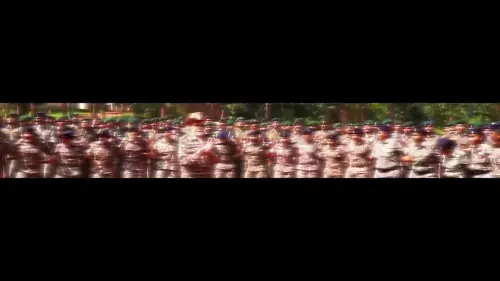
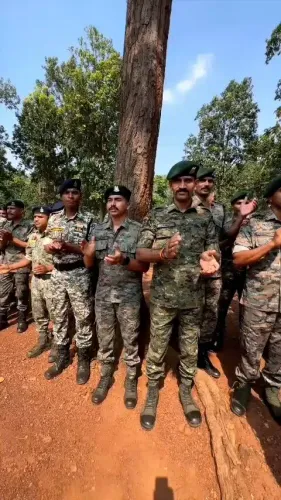
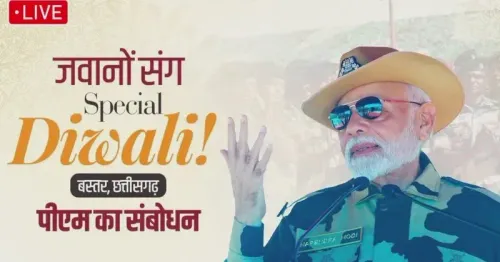
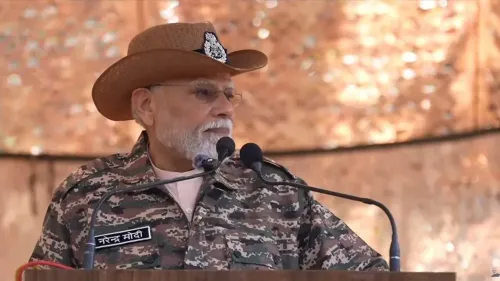
PM Narendra Modi celebrated Diwali with security forces in Bastar, Chhattisgarh — a region long held as a core Naxalite stronghold — just days before this post.
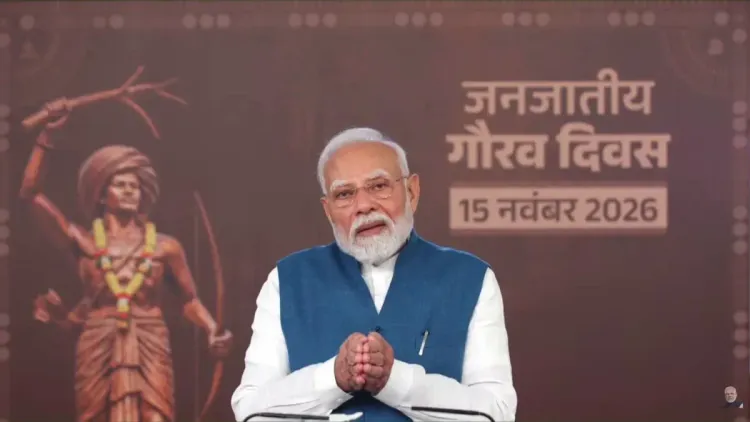
Mohan Yadav shared the moment on Janjatiya Gaurav Diwas, 15 November 2026 , the birth anniversary of tribal leader Birsa Munda .
Bastar (Chhattisgarh) and Gadchiroli (Maharashtra) are cited as Left-Wing Extremism-affected regions where the 'light of hope' is now reaching people alongside Diwali lamps.
The government's SAMADHAN strategy (2017) combines security operations with development and welfare delivery across LWE-affected tribal districts.
Janjatiya Gaurav Diwas was first observed nationally in 2021 to honour tribal heritage and counter extremist narratives in Adivasi communities.
The next Ministry of Home Affairs annual report on LWE violence figures will be a key data point to watch against these political claims.
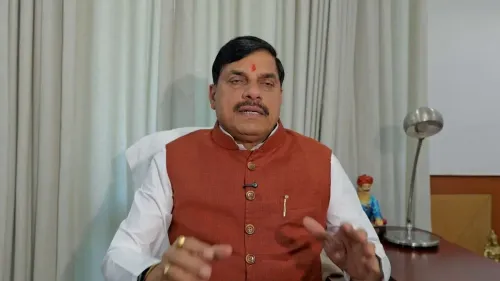
Where fear once kept people away, lights burned this Diwali — and Madhya Pradesh Chief Minister Dr. Mohan Yadav wants the country to notice. Speaking on Janjatiya Gaurav Diwas, 15 November 2026, Dr. Yadav shared that Prime Minister Narendra Modi recently celebrated Diwali with security forces at the heart of Bastar — a region in Chhattisgarh that for decades stood as a symbol of Left-Wing Extremism's grip on India's tribal interior.
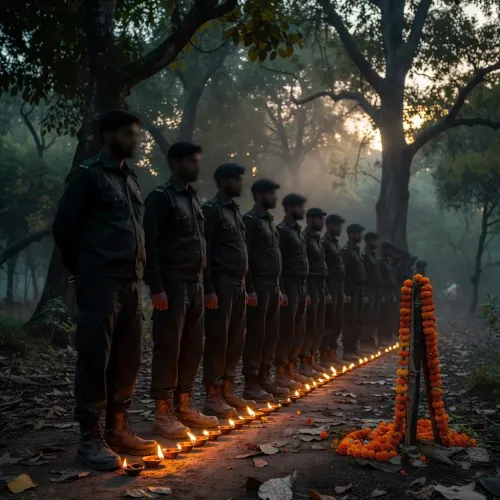
Quoting the Prime Minister's words, Dr. Yadav wrote that in areas like Bastar and Gadchiroli — once synonymous with insurgent control and civilian terror — 'dīyon ke saath-saath ummeed ki roshni bhi logon tak pahunchi hai' ('along with the lamps of Diwali, the light of hope has also reached the people'). The sentiment, shared on the occasion of Janjatiya Gaurav Diwas, is deliberate: a cultural milestone used to frame a security milestone.
Bastar and Gadchiroli: From Conflict Zones to Diwali Celebrations
Bastar in southern Chhattisgarh and Gadchiroli in eastern Maharashtra have long been classified as core Left-Wing Extremism districts by the Ministry of Home Affairs. At their peak, Naxalite violence made large swathes of forest inaccessible to both government officials and civilians. The image of a sitting Prime Minister celebrating Diwali with jawans inside that terrain carries unmistakable symbolic weight.
The government's SAMADHAN strategy, launched in 2017, laid out a multi-pronged approach — security operations, road connectivity, welfare delivery, and local recruitment into police forces — to roll back the insurgency. Official accounts have pointed to declining violence in Bastar and Gadchiroli as evidence the strategy is working, though independent verification of the latest figures is awaited in the next MHA annual report.
Janjatiya Gaurav Diwas and the Politics of Tribal Identity
Janjatiya Gaurav Diwas is observed every 15 November — the birth anniversary of tribal icon Birsa Munda — and was first recognised nationally in 2021. The day is meant to honour tribal contributions to India's history and, crucially, to counter the narrative that extremist movements speak for India's Adivasi communities.
Tying Diwali in Bastar to this day sharpens that counter-narrative. The message: tribal regions are reclaiming their own festivals, their own futures — not under the shadow of armed groups, but in the company of the state. Dr. Yadav's post, amplifying the Prime Minister's voice, positions the BJP's tribal outreach and its anti-Naxal security push as two sides of the same coin.
What the Light of Hope Has to Prove
The imagery is powerful. The policy work is ongoing. Gadchiroli and parts of Bastar still require sustained security presence, and the next MHA Left-Wing Extremism report will be watched for hard numbers on violence incidents, surrenders, and development penetration.
For now, the political signal from Janjatiya Gaurav Diwas 2026 is clear: the government is claiming Bastar as a success story — and it wants the story told in the language of Diwali diyas, not conflict dispatches.
The question that follows every lamp lit in a former conflict zone is the same: how long does the light hold?
Point of View
He ties BJP's tribal-welfare agenda directly to its anti-Naxal security record. The choice of Bastar — historically the most potent symbol of Naxalite power — as the backdrop for a Diwali moment with security forces is not incidental; it is the argument. This follows a consistent BJP playbook of using cultural and religious occasions to mark governance milestones in regions previously seen as ungoverned. The durability of this narrative depends on hard data — violence statistics and development indicators — that the government's own annual report will eventually have to validate.
NationPress
15 Nov 2026
Frequently Asked Questions
Why did PM Modi celebrate Diwali with security forces in Bastar?
PM Modi celebrated Diwali with security forces in Bastar to signal the government's commitment to troops stationed in one of India's most conflict-affected tribal regions and to mark what officials describe as improving security conditions there.
What is Janjatiya Gaurav Diwas and why is it observed on 15 November?
Janjatiya Gaurav Diwas is observed every 15 November to mark the birth anniversary of tribal freedom fighter Birsa Munda. It was instituted nationally in 2021 to honour tribal communities' contributions to India's history and culture.
What is the SAMADHAN strategy for tackling Naxalism in India?
The SAMADHAN strategy, launched by the Ministry of Home Affairs in 2017, is a comprehensive approach to Left-Wing Extremism that combines sustained security operations with development initiatives, road connectivity, and welfare delivery in affected districts.
Is Bastar still Naxal-affected in 2026?
Bastar in Chhattisgarh remains a designated Left-Wing Extremism-affected area, though official accounts point to reduced insurgent violence compared to peak years. Independent verification of the latest figures is pending in the next MHA annual report.
What is Gadchiroli known for in the context of Naxalism?
Gadchiroli is a district in eastern Maharashtra that has been a Naxalite insurgency hotspot for decades. It is frequently cited alongside Bastar as a core LWE-affected region where security operations and development programmes are both ongoing.