India ready to mediate food corridors: Zelensky after Modi call
Synopsis
India has offered to mediate in establishing food corridors blocked by the Russia-Ukraine conflict — a significant diplomatic signal that emerged from a Modi-Zelensky phone call on 9 November. With active back-channel contacts running from Moscow to Kyiv and Washington in the loop, India is quietly positioning itself as one of the few powers trusted by all sides in one of the world's most entrenched conflicts.
Key Takeaways
PM Narendra Modi and Ukrainian President Volodymyr Zelensky spoke by phone on 9 November 2026 , discussing diplomatic steps to end the Russia-Ukraine war .
India has signalled readiness to mediate in establishing food corridors amid blockage of grain exports in the Black Sea .
Jaishankar outlined India's three-track engagement — civilian shipping, grain exports, and energy infrastructure — at the G20 Foreign Ministers' Meeting in Atlanta .
India has been coordinating its mediation effort with the United States ; Secretary Rubio was cited as being kept informed.
Both leaders agreed their teams would remain in contact on conflict resolution and India-Ukraine bilateral cooperation .
Upcoming diplomatic preparations are under way for a meeting in Abu Dhabi , according to Zelensky's office.
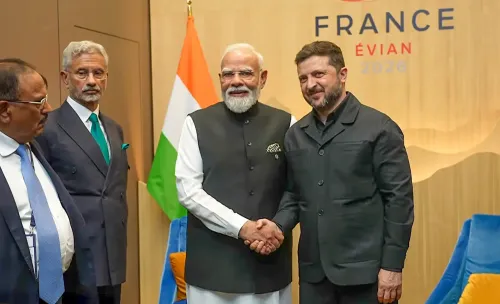
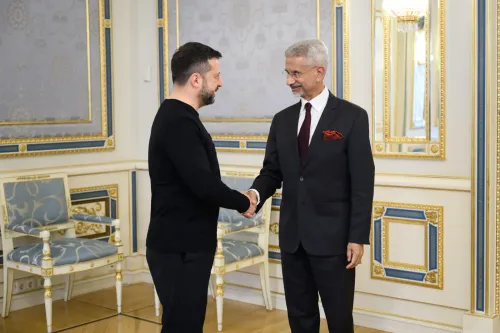
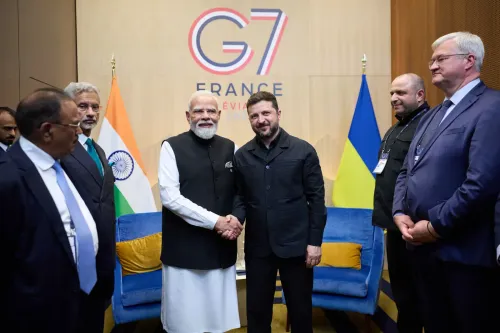
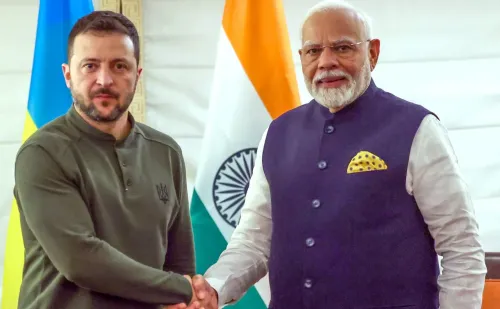
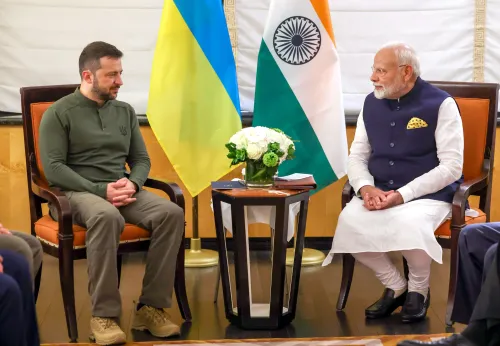
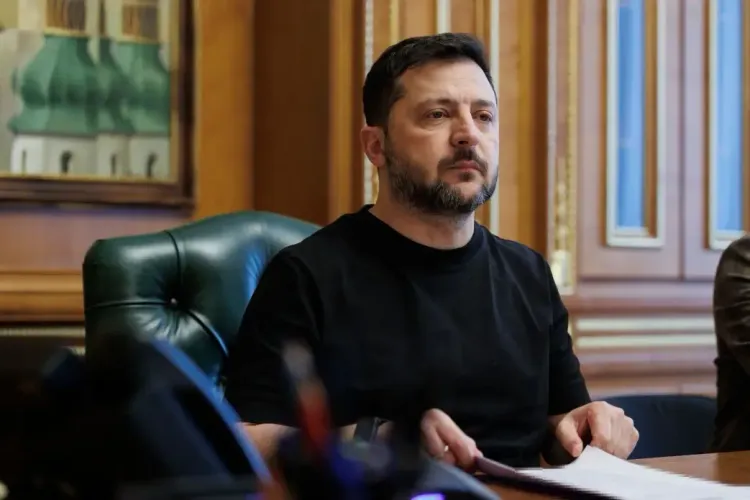
Ukrainian President Volodymyr Zelensky spoke with Prime Minister Narendra Modi on Monday, 9 November, discussing diplomatic steps that could bring the Russia-Ukraine war closer to resolution, according to a statement issued by the Ukrainian President's office. India has signalled its readiness to mediate in establishing food corridors amid an ongoing blockage of grain exports in the Black Sea.
What Was Discussed
Zelensky's office stated that the Ukrainian president briefed Modi on the current state of diplomacy, including preparations for an upcoming meeting in Abu Dhabi. The statement noted that Ukraine has consistently maintained a 'constructive approach' and called for a matching willingness from Russia to de-escalate.
'The Prime Minister has repeatedly said, including to the Russian leader, that now is the time to end the war, not continue it. It is important that India finds what steps it can take and dialogue with other leaders to help bring the end of the war closer,' Zelensky was quoted as saying in the statement.
India's Position on Food Security
India, according to the Ukrainian statement, is ready to mediate in establishing food corridors to address the disruption of grain exports through the Black Sea. Zelensky underscored the broader humanitarian dimension: 'Russia must understand that its economy and hundreds of millions of people in different countries suffer from blocked sea routes.'
Both leaders agreed that their respective teams would remain in contact on these and other bilateral issues. The Prime Minister's Office (PMO) confirmed that Modi reaffirmed India's 'human-centric approach' and reiterated that the conflict must be resolved through 'dialogue and diplomacy.'
India's Three-Track Diplomatic Effort
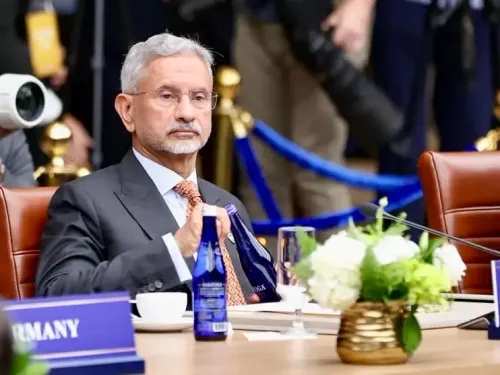
The call reflects a broader Indian diplomatic engagement. External Affairs Minister (EAM) S. Jaishankar, speaking to reporters on the sidelines of the G20 Foreign Ministers' Meeting in Atlanta earlier this month, outlined that India is in active discussions with Russia, Ukraine, and Europe on three dimensions: protecting civilian shipping and seafarers; restoring grain exports from the Black Sea; and preventing attacks on energy infrastructure.
'Non-attack on energy is probably the most complicated piece because it means different things to the different players,' Jaishankar said. He noted that the grain issue was 'a big concern for the global south because much of the purchasers of that grain are basically global south countries.'
Jaishankar also confirmed that India has been coordinating its mediation efforts with Washington. 'We have also been coordinating this with the Americans, because they have their own peace mediation initiative. So Secretary Rubio knows roughly what is going on here,' he said. India's contacts span the highest levels — Modi met Russian President Vladimir Putin in Delhi and previously in Bishkek, while Jaishankar visited both Moscow and Kyiv.
Bilateral Cooperation
Beyond the conflict, the two leaders also discussed measures to strengthen India-Ukraine bilateral cooperation across various sectors, the PMO statement noted. The conversation reinforces India's positioning as an active, non-aligned interlocutor in one of the most consequential geopolitical conflicts of the decade.
What Comes Next
With the Abu Dhabi meeting in preparation and diplomatic channels open to both Moscow and Kyiv, India's next concrete step will be closely watched — particularly whether the proposed food corridor mediation translates into a formal initiative. The outcome of ongoing contacts between the two leaders' teams is expected to shape the contours of India's role in any eventual peace framework.
Point of View
And where New Delhi's credibility with the Global South gives it real leverage. What is notable is Jaishankar's framing of the energy track as the 'most complicated' — it signals that India is probing the outer limits of what mediation can achieve without getting drawn into the core territorial dispute. The coordination with Washington is a careful balancing act: India needs US goodwill but cannot be seen as a western proxy if it is to retain Moscow's trust. The real question is whether the Abu Dhabi meeting produces anything verifiable, or whether India's role remains a high-profile channel rather than a peace architect.
NationPress
9 Nov 2026
Frequently Asked Questions
What did Modi and Zelensky discuss in their phone call on 9 November?
The two leaders discussed diplomatic steps to bring the Russia-Ukraine war closer to resolution, including the blockage of grain exports in the Black Sea. India signalled its readiness to mediate in establishing food corridors, and both leaders agreed their teams would remain in contact on these and other bilateral issues.
What is India's role in mediating the Russia-Ukraine conflict?
India has positioned itself as a non-aligned interlocutor engaged with both sides at the highest levels. PM Modi has spoken with both Russian President Putin and President Zelensky, while EAM Jaishankar has visited both Moscow and Kyiv. India's mediation focuses on three tracks: civilian shipping, Black Sea grain exports, and energy infrastructure protection.
Why does the Black Sea grain blockage matter to the Global South?
According to EAM Jaishankar, the grain issue is a major concern because much of the grain exported from Russia and Ukraine is purchased by Global South countries. Disruption of that flow has contributed to food insecurity and price volatility in developing nations.
What is the Abu Dhabi meeting Zelensky referenced?
Zelensky's office stated that Ukraine is actively preparing for a meeting in Abu Dhabi, covering several items on a diplomatic agenda. Further details of the meeting's format and participants were not disclosed in the statements issued by either side.
Is the United States involved in India's mediation efforts?
Yes. EAM Jaishankar confirmed that India has been coordinating its diplomatic efforts with Washington, noting that US Secretary of State Rubio is aware of India's mediation initiative, as the US also has its own peace mediation track in progress.