Punjab Assembly unanimously passes resolution to protect welfare schemes for lakhs
Synopsis
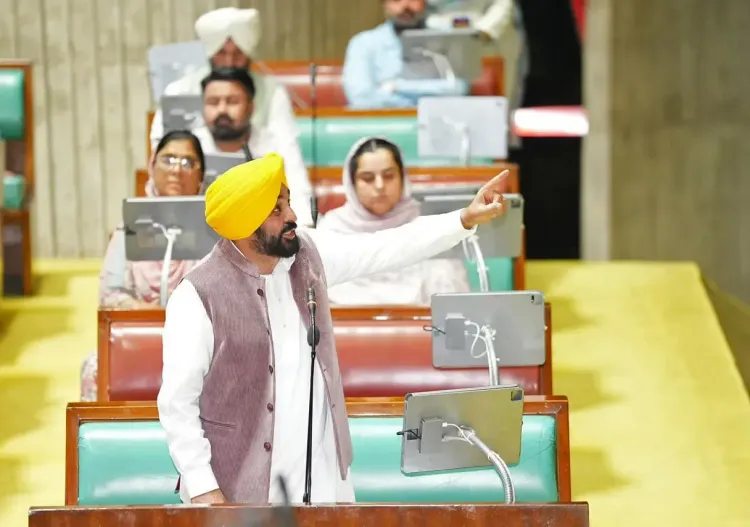
Punjab's Vidhan Sabha unanimously passed a resolution on 27 October pledging uninterrupted welfare benefits for lakhs of families — free power, ₹10 lakh health cover, women's monthly stipends, and more. The unanimous vote is a pointed political pushback against the 'freebies' label, and effectively puts every party on record ahead of future elections.
Key Takeaways
The Punjab Vidhan Sabha on 27 October 2026 unanimously passed a resolution guaranteeing continuation of all public welfare schemes.
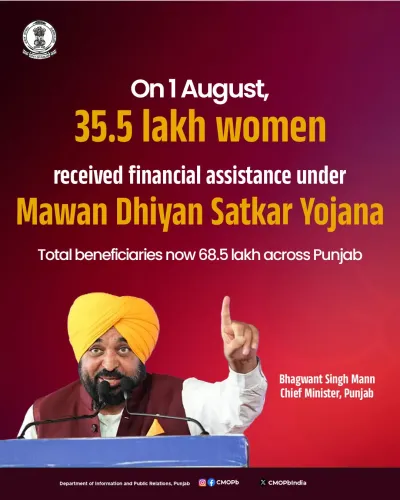
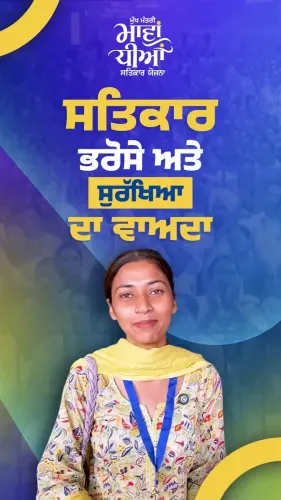
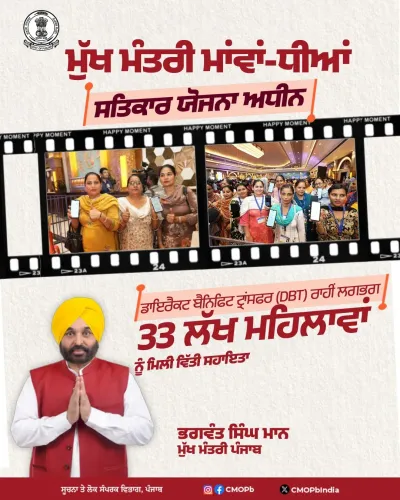
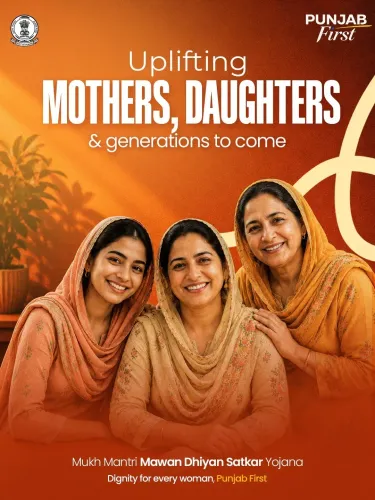
Over 80 lakh women receive monthly stipends under the Mukh Mantri Mawan Dhiyan Satkar Yojana (₹1,000–₹1,500 per month).
300 units of free electricity per month has eliminated power bills for more than 90% of Punjab households since 2022 .
The Mukh Mantri Sehat Yojana provides health coverage of up to ₹10 lakh per family annually; 1,244 Aam Aadmi Clinics have served around 2 crore patients .
Social security pensions of ₹1,500 per month support 30 lakh senior citizens, widows, and persons with disabilities.
The resolution called on all political parties to publicly declare their stand on welfare schemes for Punjab's citizens.
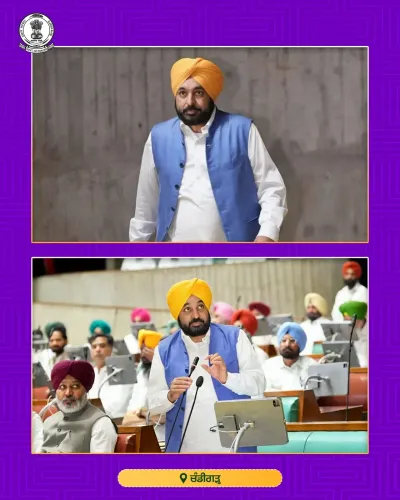
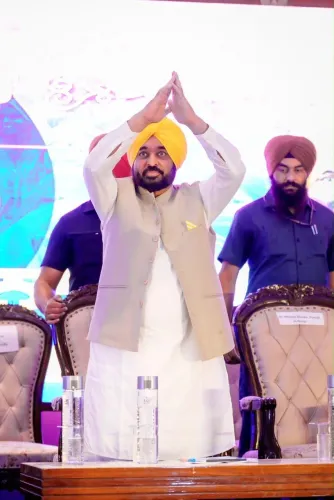
The Punjab Vidhan Sabha on Tuesday, 27 October 2026, unanimously passed a comprehensive resolution guaranteeing that public welfare schemes and direct financial entitlements for the people of Punjab will continue without interruption. The resolution, moved by Finance Minister Harpal Cheema, reaffirmed that the state's resources belong to its citizens and that an elected government's primary duty is to deploy those resources for financial dignity, quality healthcare, and essential household relief.
What the Resolution States
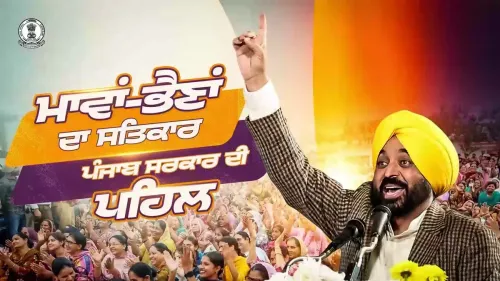
The House categorically rejected attempts to characterise public welfare expenditure as a 'waste of money', asserting instead that such spending reinforces citizen dignity, self-respect, and economic independence. Finance Minister Cheema said, 'Direct assistance provides critical relief to mothers managing monthly household budgets, farmers cultivating fields, and families confronting unexpected medical crises.' The resolution also called on all political parties to end ambiguity and declare their position on welfare schemes clearly to the people of Punjab.
Key Welfare Schemes Under the Bhagwant Mann Government
The resolution highlighted the scale of benefits already in place. More than 80 lakh women are registered under the Mukh Mantri Mawan Dhiyan Satkar Yojana, receiving ₹1,000 per month (general category) or ₹1,500 per month (Scheduled Caste women). Women undertake over 1 crore free bus journeys every month on state-run services, and the Ashirwad Scheme provides ₹51,000 for the marriage of eligible daughters.
On energy relief, the provision of 300 units of free domestic electricity per month has eliminated power bills for more than 90 per cent of households since 2022, while free power for agricultural tube-wells continues to support lakhs of farming families. For healthcare, the Mukh Mantri Sehat Yojana offers annual treatment coverage of up to ₹10 lakh per family, and a network of 1,244 Aam Aadmi Clinics has served around 2 crore patients, substantially reducing out-of-pocket medical expenses.
Social security pensions of ₹1,500 per month reach 30 lakh senior citizens, widows, destitute persons, and persons with disabilities. Under the Meri Rasoi Yojana, 40 lakh families receive essential food supplies free of cost every quarter. Nearly seven lakh elderly citizens have completed free spiritual journeys under the Mukh Mantri Tirath Yatra Yojana.
Political Context and Stakes
The resolution arrives amid a broader political debate on the sustainability of welfare spending in states governed by the Aam Aadmi Party (AAP). Critics — including opposition voices at the national level — have argued that such direct-benefit outlays strain state finances and amount to 'freebies'. The Punjab Assembly's unanimous vote is a direct rebuttal to that framing, and the AAP leadership is expected to use the resolution as a political document ahead of future elections. Notably, this comes as several other state governments face pressure over fiscal deficits partly attributed to welfare expenditure.
What Happens Next
The resolution places all political parties on record regarding the continuation of these schemes. By demanding that every party declare its stand publicly, the ruling AAP seeks to sharpen electoral accountability around welfare policy. Withdrawing these benefits, the resolution warned, would directly deprive households of funds needed for basic food, healthcare, and education — a framing that sets the terms for any future policy debate in the state.
Point of View
And the long-term sustainability of these entitlements depends on revenue buoyancy that the state has historically struggled to achieve. The 'freebies vs rights' framing will not be resolved by a Vidhan Sabha resolution — it will be decided by bond markets, the Finance Commission, and voters.
NationPress
27 Oct 2026
Frequently Asked Questions
What did the Punjab Assembly resolution on welfare schemes say?
The Punjab Vidhan Sabha unanimously passed a resolution on 27 October 2026 affirming that all public welfare schemes and direct financial entitlements for Punjab's citizens will continue uninterrupted. It rejected the characterisation of welfare spending as a 'waste of money' and called on all parties to publicly declare their position on these schemes.
Which welfare schemes does the resolution protect in Punjab?
The resolution covers a wide range of schemes including the Mukh Mantri Mawan Dhiyan Satkar Yojana (monthly stipends for over 80 lakh women), 300 units of free domestic electricity, Mukh Mantri Sehat Yojana (₹10 lakh annual health cover per family), 1,244 Aam Aadmi Clinics, social security pensions of ₹1,500 per month for 30 lakh beneficiaries, and the Meri Rasoi Yojana for 40 lakh families.
Who moved the resolution in the Punjab Assembly?
Finance Minister Harpal Cheema moved the resolution on the floor of the Punjab Vidhan Sabha on 27 October 2026. He argued that direct assistance provides critical relief to mothers, farmers, and families facing medical emergencies.
Why does the resolution matter politically?
The resolution is a direct rebuttal to critics — particularly at the national level — who have labelled state welfare expenditure as unsustainable 'freebies'. By securing a unanimous vote, the ruling Aam Aadmi Party places all parties on record and sets the terms of the welfare debate ahead of future elections in Punjab.
How many Punjab households benefit from free electricity under the scheme?
More than 90 per cent of Punjab households have had their power bills eliminated since 2022, under a provision of 300 units of free domestic electricity per month. Free power for agricultural tube-wells separately supports lakhs of farming households across the state.