Punjab gets ₹254.20 crore 2nd tranche under PM-RKVY for FY 2026–27
Synopsis
Agriculture Minister Shivraj Singh Chouhan handed Punjab ₹254.20 crore under PM-RKVY and cleared 7 new farm projects worth ₹98.44 crore — but the real news is a first-of-its-kind 10,000-hectare green ammonia trial as a urea alternative, and a sweeping new law to stamp out fake pesticides and fertiliser black marketeering.
Key Takeaways
Union Agriculture Minister Shivraj Singh Chouhan released ₹254.20 crore as the second tranche under PM-RKVY for Punjab for FY 2026–27 .
The Centre approved 7 new agricultural projects under Punjab's Annual Action Plan with a combined outlay of ₹98.44 crore .
A new pesticide law is being drafted with farmer and expert inputs to tackle fake fertilisers, spurious seeds, and substandard pesticides.
A green ammonia trial spanning 10,000 hectares — the first of its scale in India — has been announced as an alternative to urea.
Chouhan urged Punjab farmers to diversify beyond the wheat-paddy cycle into horticulture, animal husbandry, fisheries, and allied activities.
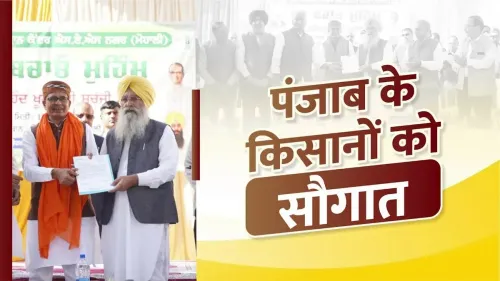
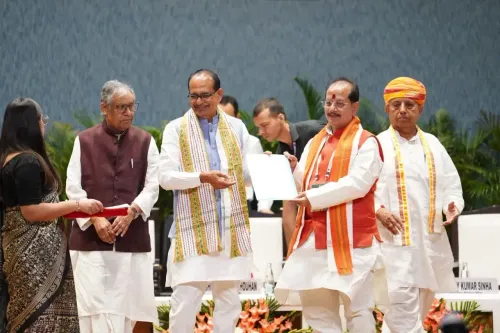
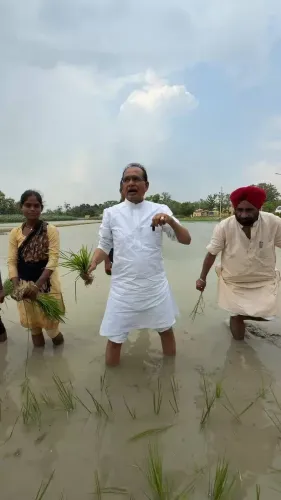
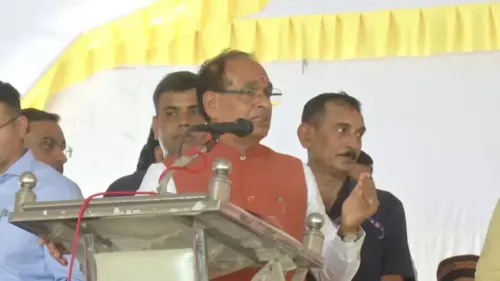
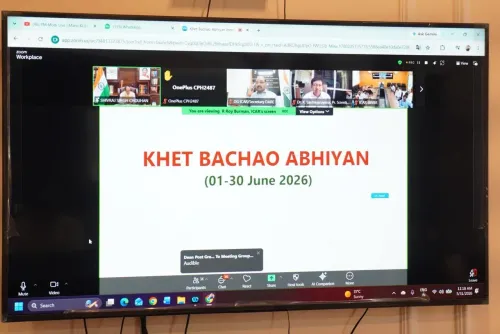
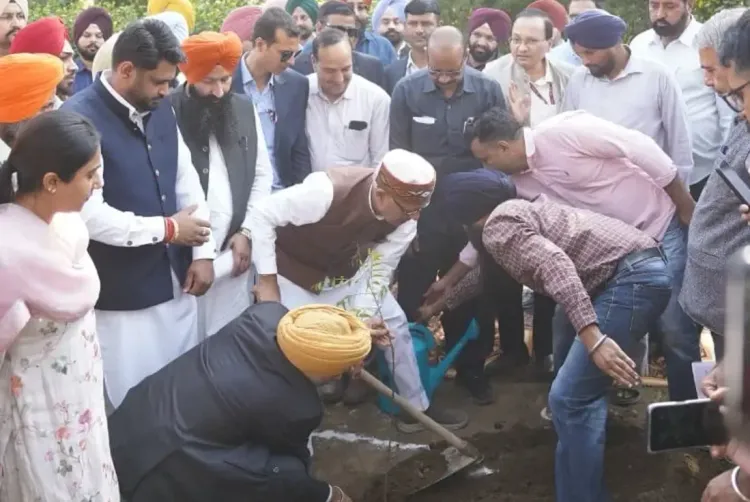
Union Minister for Agriculture Shivraj Singh Chouhan on Tuesday, 17 November 2026, handed over an approval letter releasing ₹254.20 crore as the second tranche under the Pradhan Mantri Rashtriya Krishi Vikas Yojana (PM-RKVY) to farmers of Punjab for the financial year 2026–27. The event was held at Badarpur village in Mohali district as part of the 'Khet Bachao Abhiyan' programme, in the presence of Punjab Agriculture Minister Gurmeet Singh Khuddian.
New Projects and Additional Funds
Alongside the second tranche, the Centre also approved seven new agricultural projects under Punjab's Annual Action Plan, carrying a combined outlay of ₹98.44 crore. These projects are designed to increase agricultural productivity, modernise farm infrastructure, and provide fresh momentum to the state's overall agricultural development.
The approved funds will be channelled directly toward strengthening the operational capacity of Punjab's farming sector, which remains one of India's most critical food-producing regions.
Crackdown on Fake Inputs and Fertiliser Black Marketing
Chouhan announced that strict action would be taken against those involved in the black marketing of fertilisers and the practice of forcibly bundling unrelated products with fertiliser purchases — a long-standing grievance among farmers. He further disclosed that a stringent new pesticide law is being drafted, with inputs being sought from farmers and agricultural experts across the country, to curb the sale of spurious seeds, fake fertilisers, and substandard pesticides.
The proposed legislation is intended to provide stronger legal safeguards against fraudulent agricultural inputs. This comes amid recurring complaints that poor-quality inputs have been eroding both yields and soil health across Punjab's farmlands.
Green Ammonia Trial Across 10,000 Hectares
In a notable development, Chouhan announced a green ammonia trial spanning 10,000 hectares — the first such initiative of its scale in the country — exploring green ammonia as a viable alternative to urea. The minister witnessed a live demonstration of the technology at the event.
He cautioned that the indiscriminate use of urea, DAP, and other chemical fertilisers is harming soil health over time. If the green ammonia trial proves successful, it could significantly reduce chemical dependency and benefit farmers financially in the long run.
Push for Crop Diversification
Chouhan also urged farmers to move beyond the dominant wheat-paddy cropping cycle, noting that continued reliance on it was neither beneficial for soil nor adequate for raising farm incomes sustainably. He encouraged small farmers to diversify into fruit and vegetable production, animal husbandry, fisheries, poultry, goat rearing, mushroom cultivation, and beekeeping.
Reaffirming the Centre's commitment, Chouhan noted that under Prime Minister Narendra Modi, the government had imported fertilisers at elevated international prices and offered substantial subsidies to ensure farmers could access essential inputs at affordable rates.
Cross-Party Cooperative Tone
Notably, Punjab is governed by a party different from the ruling dispensation at the Centre. Chouhan acknowledged this directly, stating that political differences between the central and state governments should not override their shared obligation toward farmers. 'Their sole objective must be to improve the lives and livelihoods of Punjab's farmers,' he said.
With the new law on agricultural inputs expected to take shape following stakeholder consultations, and the green ammonia pilot set to generate early data, Punjab's farming community could see significant policy shifts in the near term.
Point of View
And a scalable urea alternative would address a structural problem that subsidy policy alone cannot fix. The push to involve farmers and experts in drafting the fake-inputs law is the right instinct, but the speed and independence of that consultation process will determine whether the legislation has teeth or becomes another paper reform. Crop diversification messaging, meanwhile, has been repeated by successive governments without meaningful shifts in Punjab's cropping pattern — the absence of concrete incentives in this announcement suggests that remains a rhetorical goal for now.
NationPress
17 Nov 2026
Frequently Asked Questions
What is the PM-RKVY scheme and why did Punjab receive funds under it?
The Pradhan Mantri Rashtriya Krishi Vikas Yojana (PM-RKVY) is a central government scheme to boost agricultural development across states. Punjab received ₹254.20 crore as the second tranche for FY 2026–27 to support farm productivity, modern infrastructure, and agricultural growth in the state.
What are the seven new agricultural projects approved for Punjab?
The Centre approved seven new agricultural projects under Punjab's Annual Action Plan with a total outlay of ₹98.44 crore. These projects are designed to strengthen agricultural infrastructure and increase productivity, though specific project details were not individually enumerated at the event.
What is the green ammonia trial announced by Agriculture Minister Chouhan?
The government has launched a trial of green ammonia technology across 10,000 hectares, exploring it as a sustainable alternative to urea. This is reportedly the first such initiative at this scale in India and is aimed at reducing soil damage caused by indiscriminate chemical fertiliser use.
What action is being taken against fake fertilisers and pesticides?
Union Agriculture Minister Shivraj Singh Chouhan announced a new stringent pesticide law currently being drafted with inputs from farmers and experts nationwide. It will target the sale of fake fertilisers, spurious seeds, and substandard pesticides, while strict action is also planned against fertiliser black marketeers.
Why did Chouhan stress cooperation between the Centre and Punjab government?
Punjab is governed by a party different from the party in power at the Centre. Chouhan acknowledged this political divergence but emphasised that shared responsibility toward farmers must override political differences, stating the sole objective of both governments should be improving the lives of Punjab's farming community.