Quad Leaders' Summit in Manila: Takaichi, Modi chart Indo-Pacific future
Synopsis
For the first time since the Quad's revival, all four leaders — Modi, Trump, Albanese, and Takaichi — gathered in Manila, the city where the grouping was born in 2007. Japan's PM framed the Quad as the architect of a free Indo-Pacific; India's PM called it a trusted partnership with concrete next-phase goals. The symbolic venue choice — in the shadow of South China Sea tensions — made the geopolitical message unmistakable.
Key Takeaways
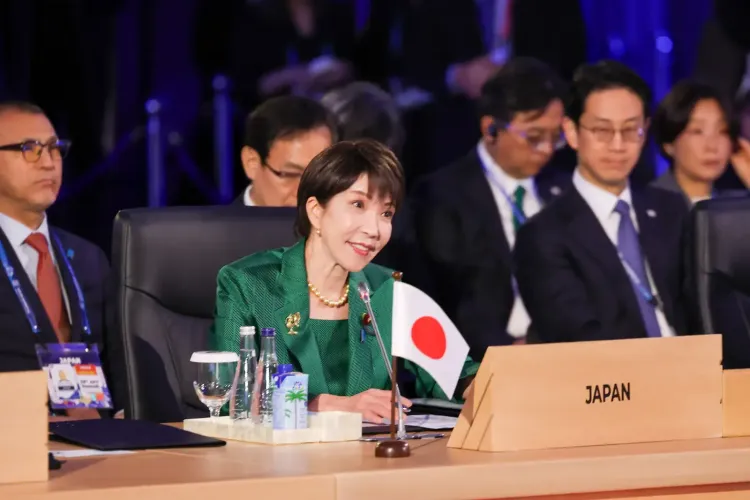
Japanese PM Sanae Takaichi declared at the Quad Leaders' Summit in Manila on 17 November 2026 that the Quad will shape the future of the Indo-Pacific alongside regional partners.
PM Narendra Modi described the Quad as a ‘constructive and trusted partnership’ and cited five Quad Foreign Ministers' meetings since January last year as proof of shared political will.
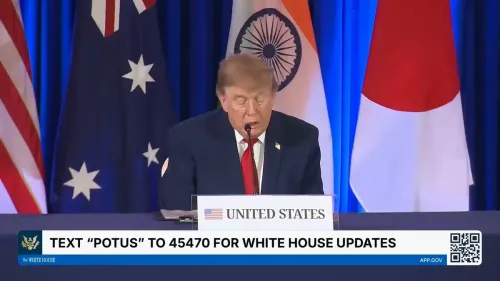
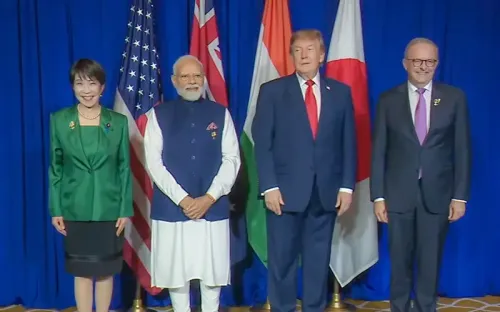
All four Quad leaders — Modi , US President Donald Trump , Australian PM Anthony Albanese , and Takaichi — attended the summit in person.
Manila holds historic Quad significance: the grouping's officials first met there in 2007 and revived dialogue there in 2017 .
Leaders signalled the summit would set concrete goals for the Quad's next phase, covering maritime security, supply chains, energy, and critical technologies.
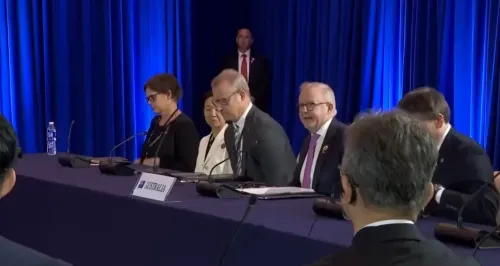
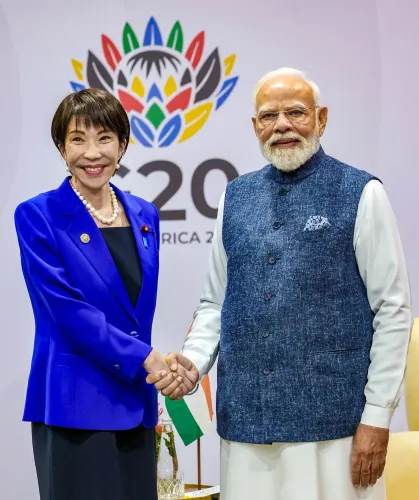
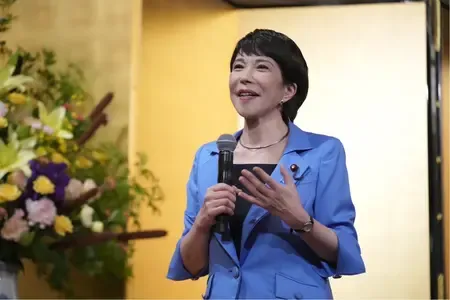
Japanese Prime Minister Sanae Takaichi on Tuesday, 17 November 2026, expressed strong confidence that the Quad, working alongside regional partners, will shape the trajectory of the Indo-Pacific. Her remarks came at the Quad Leaders' Summit held in Manila, Philippines, where all four member-nation leaders gathered for a landmark in-person meeting.
Takaichi's Vision for the Indo-Pacific
Addressing the summit, Prime Minister Takaichi underscored the Quad's foundational role in regional peace and stability. “The Quad has always contributed to peace and stability of this region. The Quad will shape the future of the Indo-Pacific together with our regional partners,” she said. She called for a “free and open Indo-Pacific” anchored in the resilience of regional nations across domains including maritime security, economic security, energy, and critical and emerging technologies. “We will deliver results through cooperation that benefits the region. Let's give further momentum to this strategically important framework of cooperation,” Takaichi added.
PM Modi's Remarks: A 'Constructive and Trusted' Partnership
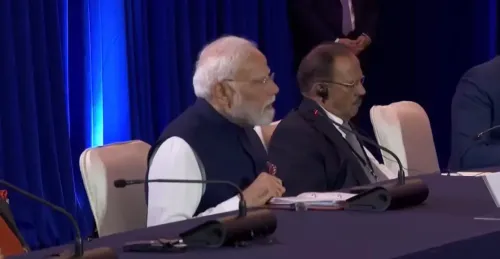
Prime Minister Narendra Modi described the Quad as a “constructive and trusted partnership” for India. He highlighted the historical significance of Manila to the grouping, noting that officials of the four countries first convened in the city in 2007, and that dialogue was revived there again in 2017. “Today, holding a Quad meeting once again at this historic city, marks an important milestone,” Modi said. He pointed to five meetings of Quad Foreign Ministers since January last year as evidence of the bloc's political will and shared commitment. “From maritime security to trusted supply chains, new technologies to disaster response, it has been our endeavour that the Quad provides trusted solutions,” he added, expressing confidence that the Manila summit would help set “concrete goals for the next phase” of Quad cooperation.
Who Was in the Room
The summit brought together all four Quad leaders: Prime Minister Modi, US President Donald Trump, Australian Prime Minister Anthony Albanese, and Japanese Prime Minister Takaichi. The gathering in Manila marks a significant diplomatic moment, reinforcing the grouping's intent to deepen structured engagement at the highest political level.
Why Manila and Why Now
The choice of Manila as the summit venue carries deliberate symbolic weight. The Philippines sits at the crossroads of South China Sea maritime disputes and has faced increasing pressure over its territorial claims in recent years. Hosting the Quad summit there sends a pointed signal about freedom of navigation and regional sovereignty — themes central to Takaichi's and Modi's remarks. This comes amid ongoing tensions in the South China Sea and broader Indo-Pacific, where China's assertiveness has drawn consistent concern from all four Quad members. Notably, the five Foreign Ministers' meetings since January last year reflect an acceleration in the grouping's operational tempo, moving it beyond a consultative forum toward a results-oriented partnership.
What Comes Next
Leaders indicated the Manila summit would produce concrete goals for the Quad's next phase, spanning technology, supply chains, disaster response, and energy security. Regional partners are expected to be drawn into the framework more formally, expanding the Quad's footprint beyond its four founding members. The diplomatic community will closely watch follow-through on the commitments made in Manila, particularly on critical technology cooperation and maritime security arrangements.
Point of View
Economic security, and emerging technologies sit alongside maritime security, suggesting the grouping is quietly evolving from a security dialogue into something closer to a regional governance architecture. Modi's reference to 'trusted supply chains' is the most consequential signal — it points to a Quad role in de-risking from Chinese manufacturing dependency, a goal that remains largely aspirational. The real test for this summit will be whether the 'concrete goals' promised translate into binding commitments or remain, as past Quad summits have produced, well-worded declarations without enforcement timelines.
NationPress
17 Nov 2026
Frequently Asked Questions
What was decided at the Quad Leaders' Summit in Manila?
The Quad Leaders' Summit in Manila on 17 November 2026 brought together all four member-nation leaders — from India, the US, Japan, and Australia — to set concrete goals for the next phase of Quad cooperation. Key focus areas include maritime security, trusted supply chains, critical and emerging technologies, energy security, and disaster response.
Why was the Quad Leaders' Summit held in Manila?
Manila holds foundational significance for the Quad: officials of the four countries first met there in 2007, and dialogue was revived in the city in 2017. Hosting the summit there again also carries a deliberate geopolitical signal, given the Philippines' position at the centre of ongoing South China Sea territorial tensions.
What did Japanese PM Sanae Takaichi say at the Quad summit?
Takaichi said the Quad has always contributed to peace and stability in the Indo-Pacific and called for a 'free and open Indo-Pacific' built on the resilience of regional nations. She urged leaders to give further momentum to what she described as a 'strategically important framework of cooperation.'
What is India's position on the Quad?
PM Modi described the Quad as a 'constructive and trusted partnership' for India. He pointed to five Quad Foreign Ministers' meetings since January last year as evidence of strong political will, and expressed confidence that the Manila summit would produce concrete goals for the grouping's next phase.
Who attended the Quad Leaders' Summit in Manila?
The summit was attended by Indian Prime Minister Narendra Modi, US President Donald Trump, Australian Prime Minister Anthony Albanese, and Japanese Prime Minister Sanae Takaichi — all four member-nation leaders of the Quad grouping.