Viksit Bharat 2047 is a national mission, not just a goal: Niti Aayog CEO
Synopsis
Niti Aayog CEO Anurag Jain has drawn back the curtain on how 'Viksit Bharat 2047' moved from a prime ministerial vision to an institutional blueprint: 10 Groups of Secretaries, over a million citizen suggestions, and an infrastructure equity framework designed to stop eastern and northeastern India from being left behind as the country races toward a $30-trillion economy.
Key Takeaways
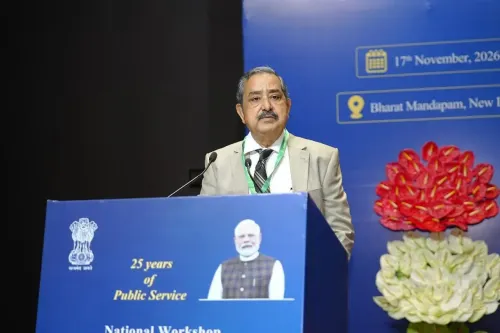
Niti Aayog CEO Anurag Jain described Viksit Bharat 2047 as a national mission backed by institutional planning and public participation, speaking on 17 November 2026 .
The government constituted 10 Groups of Secretaries after PM Narendra Modi first unveiled the vision in 2022 .
The 'Voice of Youth' campaign (2023) generated more than one million citizen suggestions that fed directly into sectoral strategies.
Infrastructure plans include a regional equity framework to deliver expressway-level connectivity within a 200-kilometre radius , addressing gaps in eastern and northeastern India.
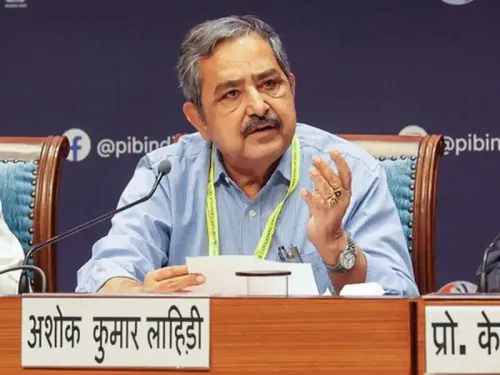
Niti Aayog Vice Chairman Ashok Kumar Lahiri said India is on track to become a $30–40 trillion economy by 2047 .
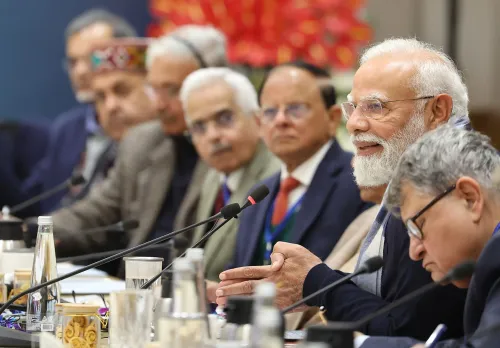
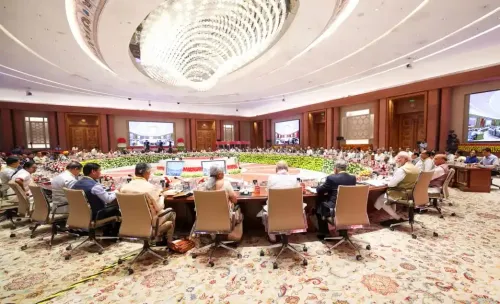
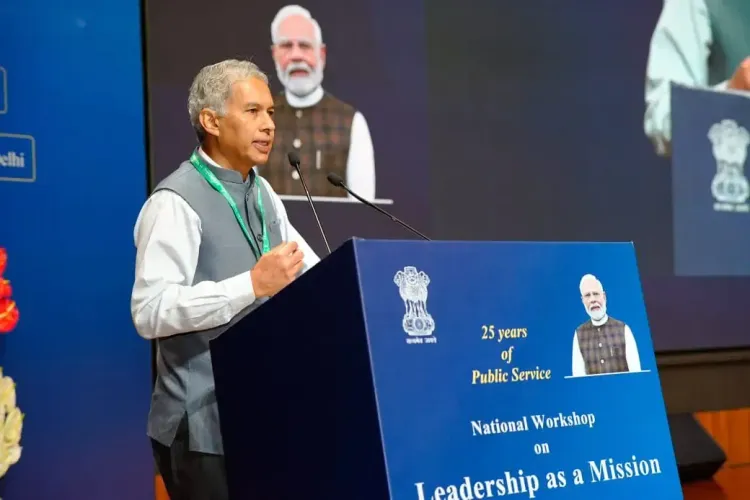
Niti Aayog CEO Anurag Jain on Tuesday, 17 November 2026 said that the vision of 'Viksit Bharat 2047' is not merely an aspirational target but a full-fledged national mission underpinned by institutional planning, structured consultations and broad public participation. His remarks came on the sidelines of Niti Aayog's first national workshop, 'Leadership as a Mission', held in New Delhi.
How the vision took shape
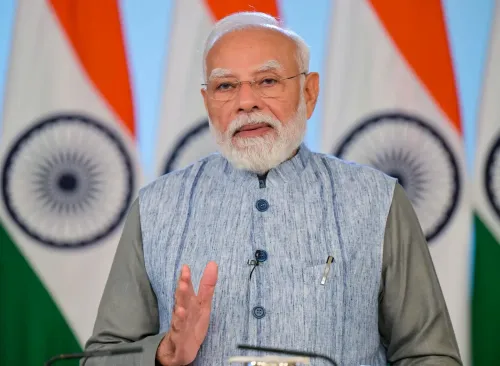
Jain explained that the initiative has followed a structured trajectory since Prime Minister Narendra Modi first articulated the vision in 2022. As a first step, the government constituted 10 Groups of Secretaries to assess what India would need to transform itself into a developed nation by 2047 — the centenary of its Independence.
'Viksit Bharat vision, it is not a dream. It has been worked out carefully. When the Prime Minister first spoke about it in 2022, thereafter, Groups of Secretaries, 10 Groups of Secretaries, were made. And these groups deliberated in detail, depth, came out with certain ideas,' Jain said.
Youth campaign and public inputs
The secretarial deliberations were followed by the 'Viksit Bharat 2047: Voice of Youth' campaign in 2023, which drew more than one million suggestions from citizens and young people across India. According to Jain, those inputs were directly used to shape sectoral strategies and contribute to the broader long-term development roadmap.
Regional equity at the core of infrastructure planning
Jain highlighted a significant finding that emerged when Niti Aayog examined multiple development models while charting India's path to a $30-trillion economy. If existing economic trends alone drove infrastructure expansion, major road and expressway networks would remain concentrated in northern, western and southern India — potentially leaving eastern and northeastern regions underserved.
To counter this, the development blueprint incorporates a regional equity framework designed to ensure broader connectivity. The goal, Jain said, is to create infrastructure networks that deliver expressway-level access within a 200-kilometre radius in both the north-south and east-west directions, enabling more balanced economic opportunities across the country.
India on track for $30-40 trillion economy by 2047
Niti Aayog Vice Chairman Ashok Kumar Lahiri added that India is on course to become a $30–40 trillion economy by 2047. He stressed, however, that reaching that milestone would require not just sound economic policies but also mission-driven leadership, effective governance and rigorous implementation on the ground.
Notably, this workshop marks one of the first formal institutional gatherings dedicated to translating the Viksit Bharat vision into an operational leadership framework — signalling a shift from articulation to execution.
As sectoral roadmaps and regional equity plans mature, the coming months will test whether the institutional machinery assembled around this vision can sustain momentum through India's complex federal structure.
Point of View
A million-plus citizen inputs, and a regional equity lens on infrastructure are not cosmetic. The harder question, which Jain's remarks left unanswered, is accountability: who measures progress, by when, and against what baseline? India has a long record of well-structured visions — from Vision 2020 to the 25% manufacturing GDP target — that never produced a credible mid-course correction mechanism. The eastern and northeastern connectivity gap Niti Aayog identified is real and longstanding; whether a 200-km expressway-radius framework actually closes it depends entirely on project execution timelines and land-acquisition politics that no workshop can resolve.
NationPress
17 Nov 2026
Frequently Asked Questions
What is the Viksit Bharat 2047 mission?
Viksit Bharat 2047 is India's national development vision to transform the country into a developed nation by 2047, the centenary of Independence. It was first articulated by Prime Minister Narendra Modi in 2022 and has since been structured through 10 Groups of Secretaries, citizen consultations and sectoral roadmaps, according to Niti Aayog CEO Anurag Jain.
What was the 'Voice of Youth' campaign under Viksit Bharat 2047?
Launched in 2023, the 'Viksit Bharat 2047: Voice of Youth' campaign invited citizens and young people across India to submit development suggestions. It received more than one million inputs, which were used to shape strategies across different sectors of the long-term development roadmap.
What is the regional equity framework in India's infrastructure planning?
The regional equity framework is a component of the Viksit Bharat 2047 infrastructure plan designed to ensure that economic connectivity is not concentrated only in northern, western and southern India. It aims to provide expressway-level access within a 200-kilometre radius in both north-south and east-west directions, with a focus on eastern and northeastern regions.
What is India's economic target under Viksit Bharat 2047?
Niti Aayog Vice Chairman Ashok Kumar Lahiri has said India is on track to become a $30–40 trillion economy by 2047. He noted that achieving this would require mission-driven leadership, effective governance and strong implementation alongside sound economic policies.
What was the 'Leadership as a Mission' workshop held by Niti Aayog?
'Leadership as a Mission' was Niti Aayog's first national workshop, held in New Delhi on 17 November 2026. It was designed to translate the Viksit Bharat 2047 vision into an operational leadership and governance framework, marking a shift from policy articulation toward execution planning.